Introduction to the Russian Language
Russian Alphabet
Meet the Cyrillic Alphabet
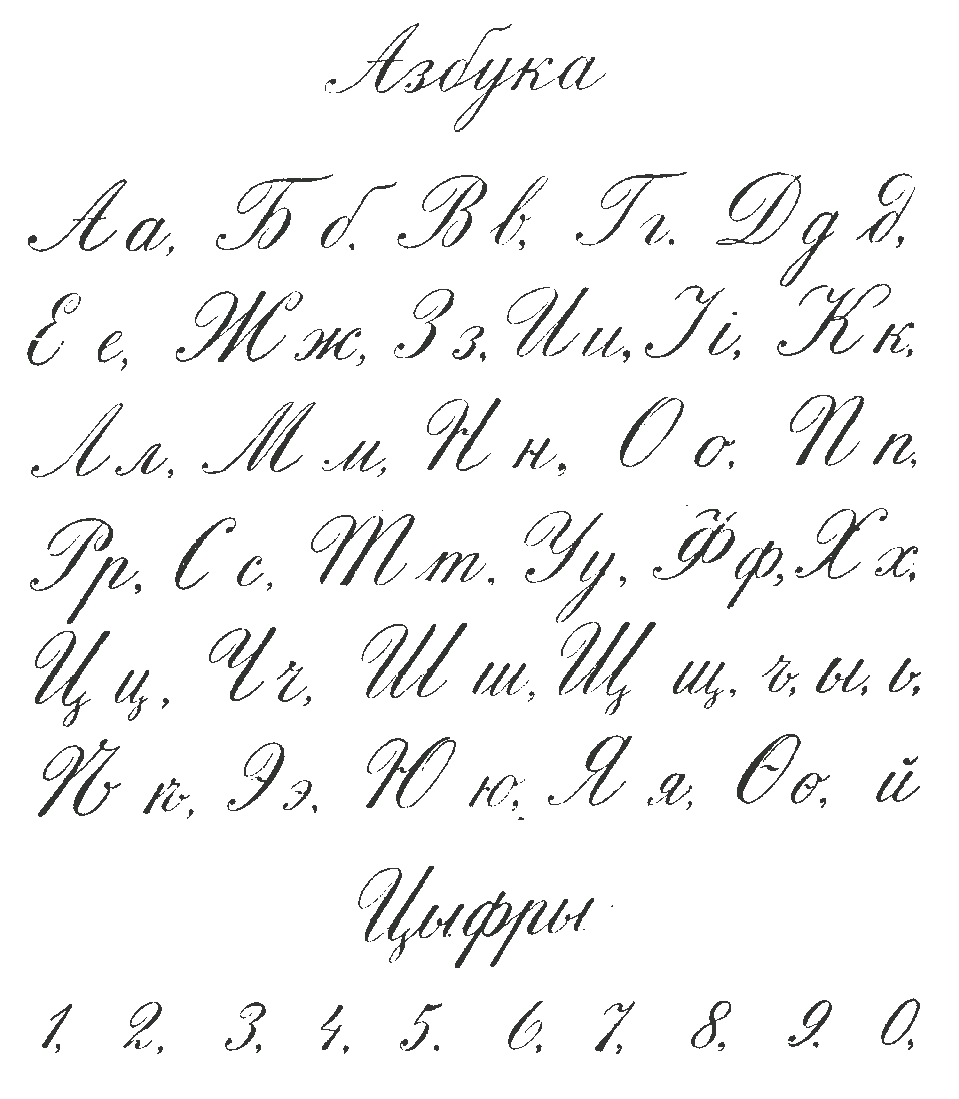
The Russian language uses the Cyrillic alphabet. It has 33 letters. At first glance, it might look intimidating, but you'll soon see that many letters are already familiar. Others might look familiar but have a different sound, and a few are completely new. It's a phonetic alphabet, which means letters generally correspond to a single sound. What you see is what you get.
Learning the 33 letters of the Cyrillic alphabet is non-negotiable because it is the foundation of reading, writing, and pronunciation in Russian.
The 33 letters break down into 10 vowels, 21 consonants, and two special signs that don't make a sound on their own. We can group the letters into a few categories to make them easier to learn.
Familiar Faces
Let's start with the easy ones. These six letters look and sound almost exactly like their English counterparts. You already know them!
| Printed Letter | Cursive Letter | Name | Sound |
|---|---|---|---|
| А а | А а | а (a) | 'a' as in father |
| К к | К к | ка (ka) | 'k' as in kite |
| М м | М м | эм (em) | 'm' as in mom |
| О о | О о | о (o) | 'o' as in more |
| Т т | Т т | тэ (te) | 't' as in top |
| Е е | Е е | йе (ye) | 'ye' as in yes |
Now for the "false friends." These letters look like English letters but make a completely different sound. This group is where most beginners trip up, so pay close attention.
| Printed Letter | Cursive Letter | Name | Sound |
|---|---|---|---|
| В в | В в | вэ (ve) | 'v' as in van |
| Н н | Н н | эн (en) | 'n' as in no |
| Р р | Р р | эр (er) | a rolled 'r' like in Spanish |
| С с | С с | эс (es) | 's' as in sun |
| У у | У у | у (u) | 'oo' as in boot |
| Х х | Х х | ха (kha) | 'ch' in Loch Ness |
Practice saying a Russian word using only the letters you've learned so far: так (tak), which means "so" or "thus." See? You're already reading Russian!
Finally, we have the new characters. These letters don't have an English equivalent in appearance, but their sounds are straightforward.
| Printed | Cursive | Name | Sound |
|---|---|---|---|
| Б б | Б б | бэ (be) | 'b' as in bat |
| Г г | Г г | гэ (ge) | 'g' as in go |
| Д д | Д д | дэ (de) | 'd' as in dog |
| Ё ё | Ё ё | йо (yo) | 'yo' as in yoga |
| Ж ж | Ж ж | жэ (zhe) | 's' as in pleasure |
| З з | З з | зэ (ze) | 'z' as in zoo |
| И и | И и | и (i) | 'ee' as in see |
| Й й | Й й | и краткое (i kratkoye) | 'y' as in boy (a semivowel) |
| Л л | Л л | эл (el) | 'l' as in lamp |
| П п | П п | пэ (pe) | 'p' as in pet |
| Ф ф | Ф ф | эф (ef) | 'f' as in fun |
| Ц ц | Ц ц | цэ (tse) | 'ts' as in cats |
| Ч ч | Ч ч | че (che) | 'ch' as in chair |
| Ш ш | Ш ш | ша (sha) | 'sh' as in shoe |
| Щ щ | Щ щ | ща (shcha) | 'sh' followed by 'ch', like in fresh cheese |
| Ы ы | Ы ы | ы (yery) | a short 'i' sound made in the back of the throat |
| Э э | Э э | э (e) | 'e' as in met |
| Ю ю | Ю ю | йу (yu) | 'u' as in use |
| Я я | Я я | йа (ya) | 'ya' as in yard |
Hard, Soft, and Vowel Power
Now for the two signs that have no sound of their own: ъ and ь. They are modifiers.
- ъ - The Hard Sign (твёрдый знак): This is rare. It indicates a brief pause between a consonant and a vowel, making the consonant 'hard'.
- ь - The Soft Sign (мягкий знак): This is very common. It makes the preceding consonant 'soft'.
What does 'soft' mean? A soft consonant is palatalized. This means that as you say it, the middle of your tongue rises toward the roof of your mouth (the palate). It's like a faint 'y' sound is whispered after the consonant.
a curse word
mother
Notice the difference in those two words. The soft sign completely changes the meaning. In мать, the 'т' sound is softened.
Vowels are also key to knowing if a consonant is hard or soft. Russian vowels come in pairs.
The "soft" vowels (Я, Ё, Ю, Е) are actually two sounds combined: a 'y' sound plus the sound of their hard-vowel partner. For example, Я is like 'й' + 'а' (ya). When one of these vowels follows a consonant, it tells you to palatalize that consonant.
Compare the sound of 'т' in these two words:
- тот (tot, "that one"): The 'о' is a hard vowel, so the 'т' is hard.
- тётя (tyotya, "aunt"): The 'ё' is a soft vowel, so the 'т' is palatalized. It sounds like 't' + 'y'.
Let's check your understanding of these new letters and concepts.
How many letters are in the Russian Cyrillic alphabet?
What is the primary function of the Soft Sign (ь) in Russian?
Mastering the alphabet is the first and most crucial step. Once you can confidently identify the letters and their sounds, reading Russian will feel much less like a puzzle.