Introduction to the Piano
Introduction to the Piano
What is a Piano?
The piano is a keyboard instrument that produces sound by striking steel strings with felt hammers. When you press a key, it triggers a complex mechanism that swings a hammer, which hits a string and then immediately bounces off, allowing the string to vibrate and create a note. These vibrations are transmitted through a bridge to a soundboard, which amplifies the sound.
Because its strings are struck rather than plucked, the piano is technically a member of both the string and percussion families of instruments. This unique combination gives it an incredible dynamic range, from the softest whisper to a thunderous roar.
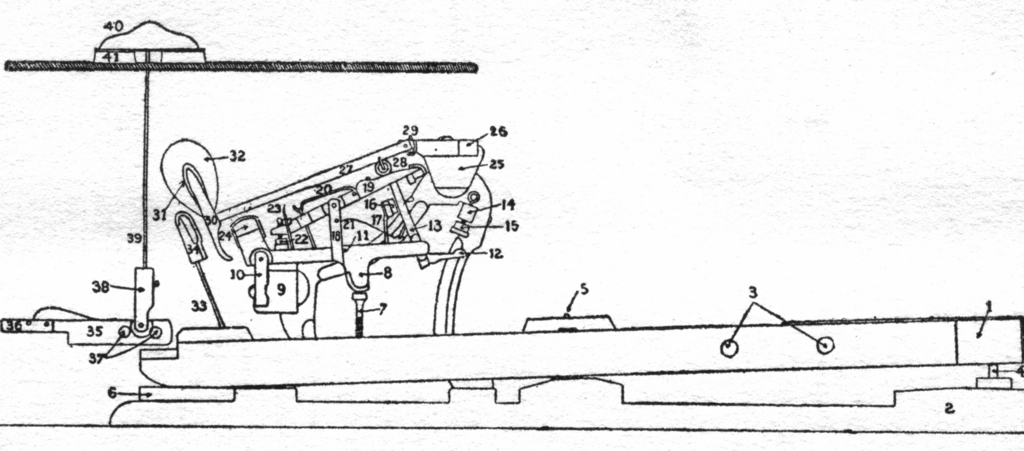
This ability to control volume based on how hard the keys are pressed was a revolutionary feature. It's even in the instrument's full name, pianoforte, which is Italian for "soft-loud".
A Musical Centrepiece
Since its invention around the year 1700, the piano has become a cornerstone of Western music. In the classical world, composers like Mozart, Beethoven, and Chopin wrote masterpieces for it, exploring its vast expressive potential. It became the instrument of choice for composers and a staple in the homes of the growing middle class.
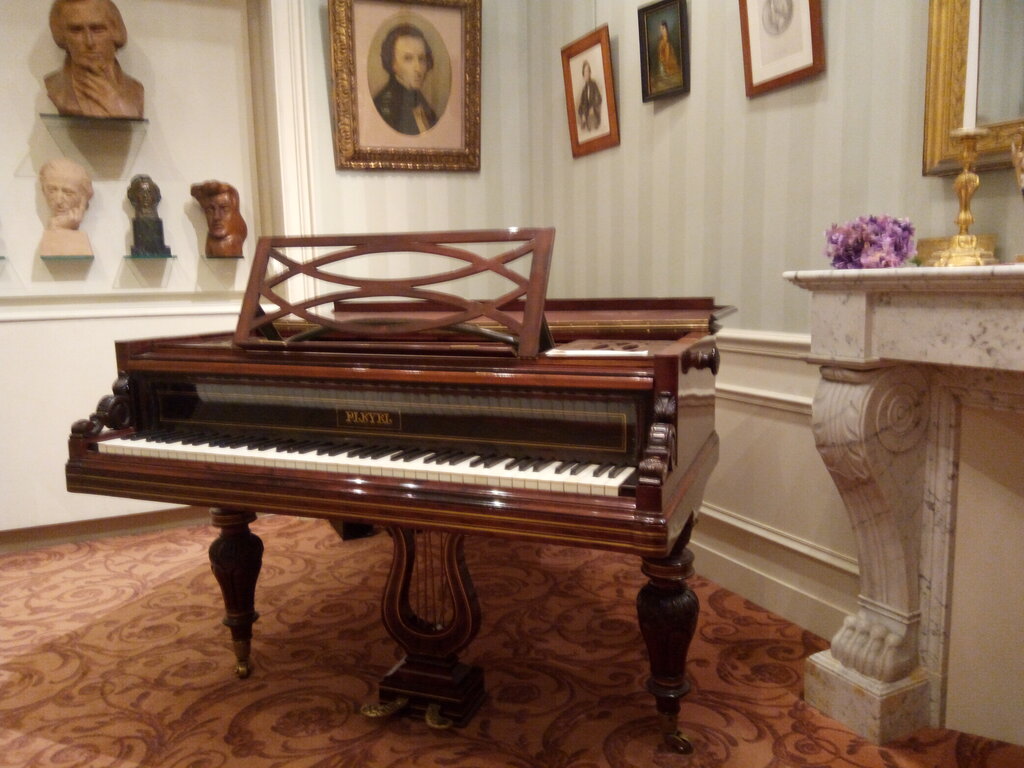
But its influence doesn't stop there. The piano is fundamental to jazz, providing both melody and harmonic structure. It's a key ingredient in blues, rock and roll, pop, and musical theatre. From concert halls to smoky jazz clubs and living rooms, the piano's versatility has made it one of the world's most beloved instruments.
Types of Pianos
While there are many variations, pianos generally fall into two main categories: acoustic and digital. Acoustic pianos create sound mechanically with strings and hammers, while digital pianos create sound electronically.
Acoustic pianos can be further divided into two main types: grand and upright.
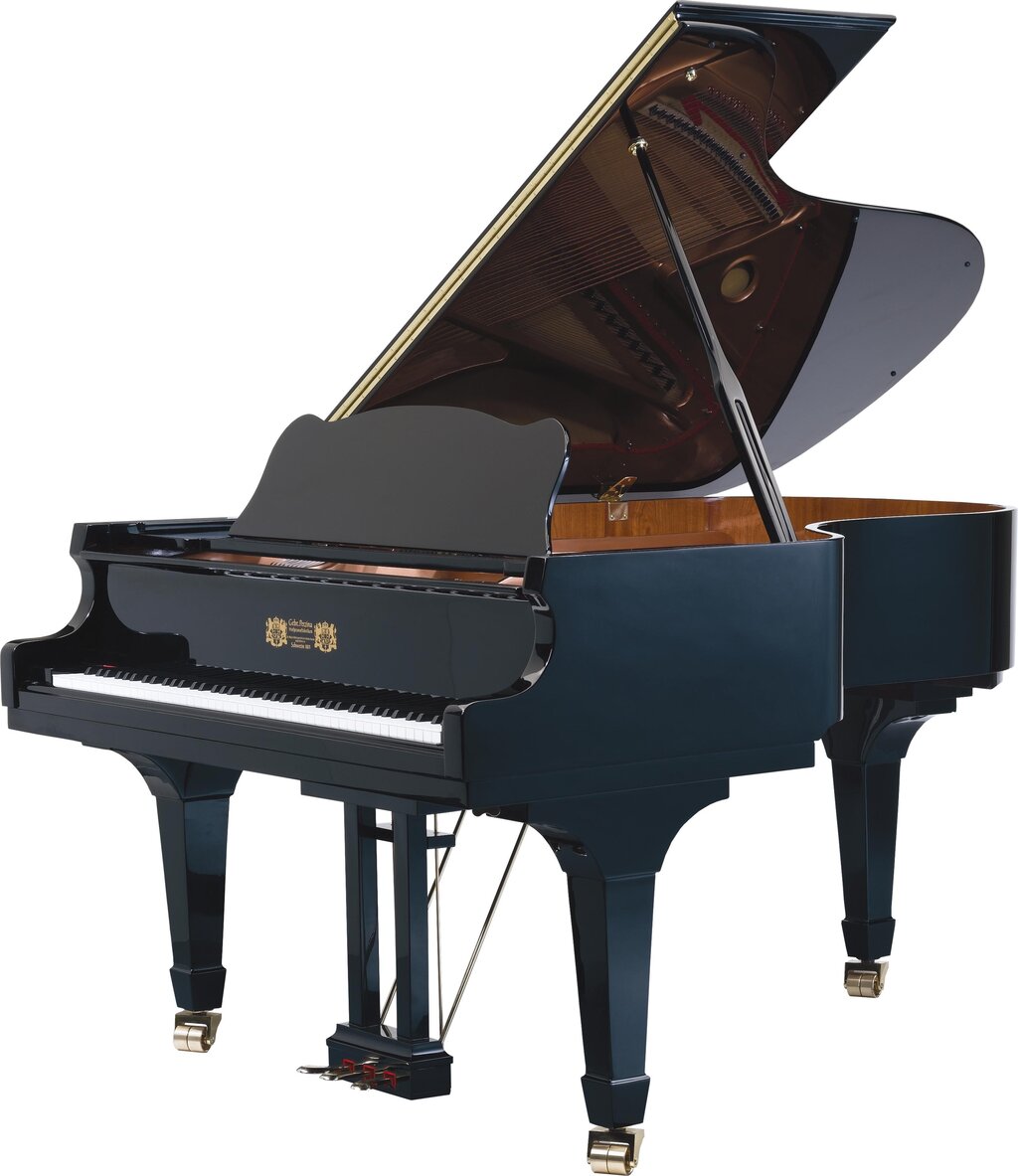
Grand Pianos are the largest type. Their frame and strings are horizontal, meaning they take up a lot of floor space. This design allows for a more responsive key action and a richer, more resonant tone, making them the standard for concert performances.
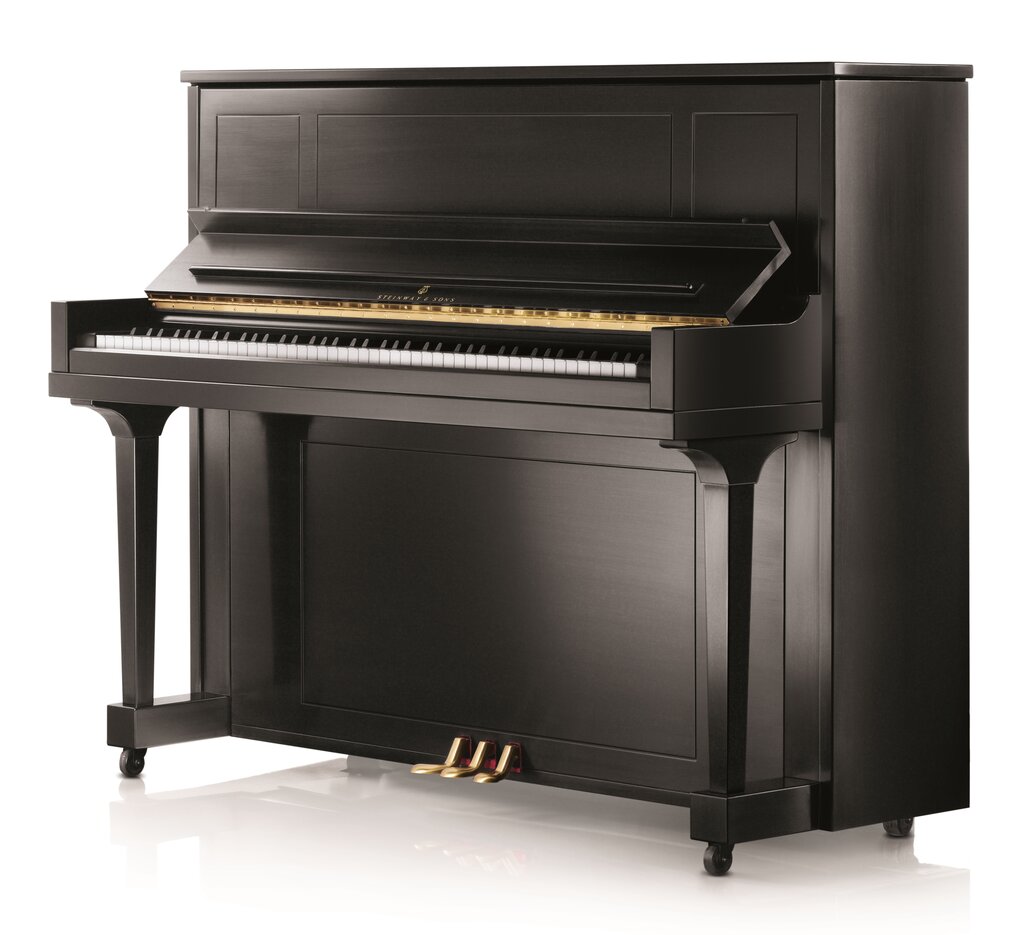
Upright Pianos are more compact because their frame and strings are positioned vertically. This makes them a popular choice for homes, schools, and practice rooms where space is limited. While they may not have the same tonal power as a grand, a high-quality upright is a superb instrument.
Digital Pianos are the modern alternative. They produce sound by playing back high-quality recordings (samples) of acoustic pianos or by digitally modelling the sound. They have no strings, never need tuning, and often come with features like volume control, headphone jacks, and the ability to mimic other instruments.
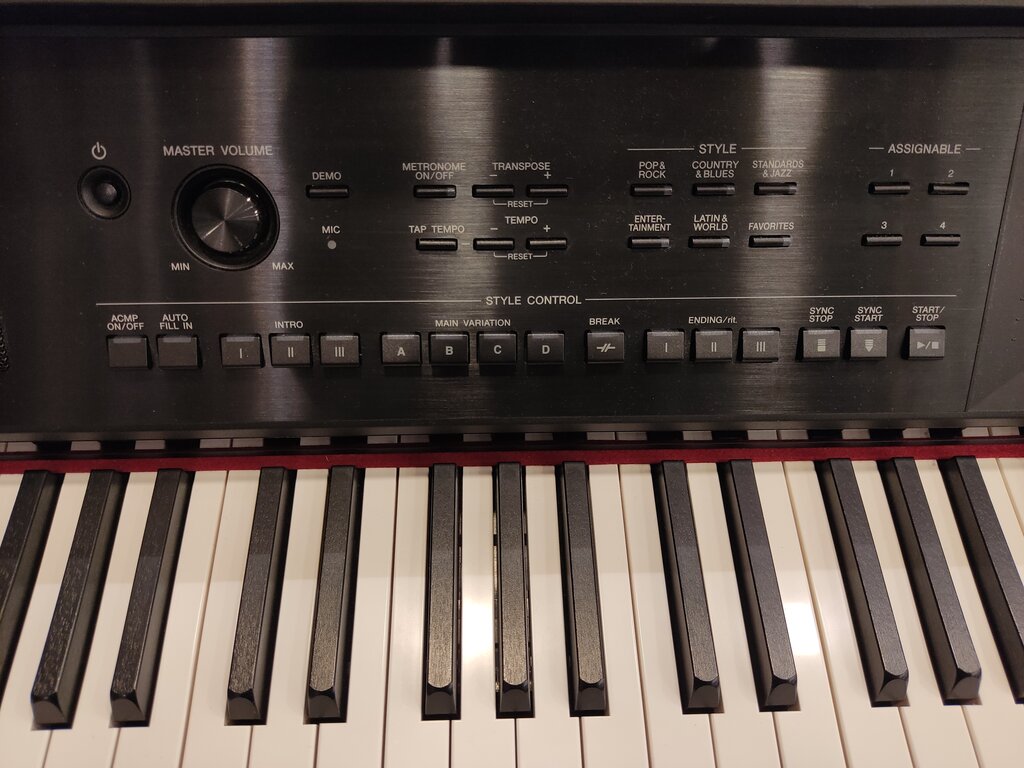
Each type has its own strengths, suited to different players and environments.
| Feature | Grand Piano | Upright Piano | Digital Piano |
|---|---|---|---|
| Sound Production | Hammers hitting horizontal strings | Hammers hitting vertical strings | Electronic samples or modelling |
| Size | Large, requires significant space | Compact, fits against a wall | Varies, often portable |
| Best For | Concerts, recording studios | Home practice, schools | Quiet practice, various sounds |
| Maintenance | Regular professional tuning | Regular professional tuning | None needed |
In an acoustic piano, what component directly strikes the strings to produce sound?
What does the piano's original name, pianoforte, mean in Italian?