Introduction to the Oboe
Oboe Assembly and Care
Meet the Oboe
Before you can make a sound, it helps to know your instrument. The modern oboe is typically made of grenadilla wood and comes apart into three main sections. Learning to identify them is the first step to playing.
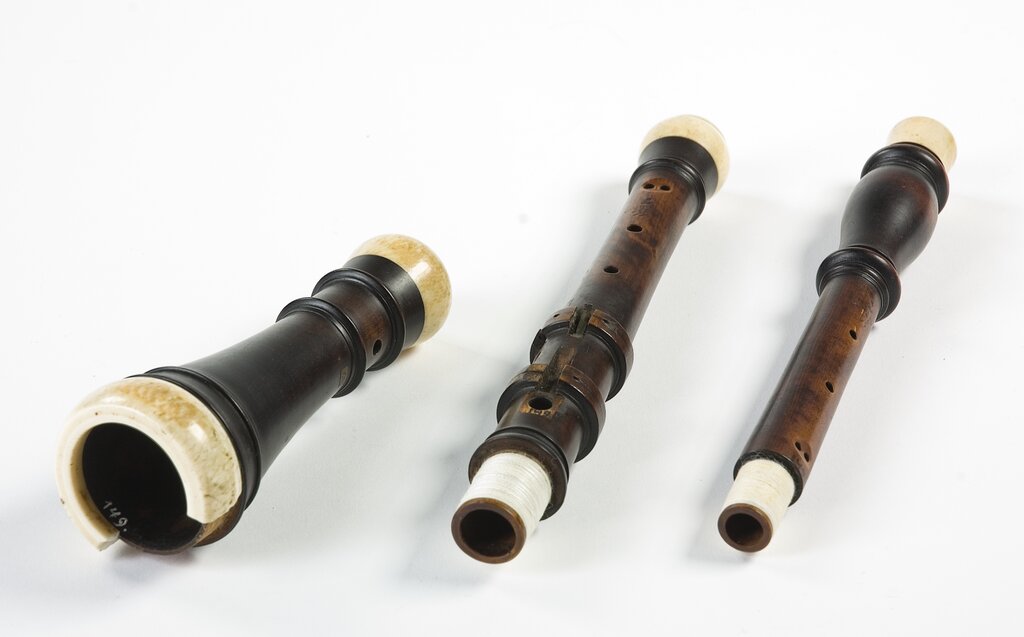
The bell is the flared end of the oboe, which helps project the sound. The long middle section is the lower joint, where your right hand will go. The top section, where the reed is inserted, is the upper joint, for your left hand. Together, these pieces form the body of the instrument.
Putting It Together
Assembling the oboe requires a gentle touch. The keywork, or mechanism, is complex and can be bent easily. Always hold the instrument by the wooden parts, avoiding pressure on the metal keys and rods.
Here’s how to do it safely:
-
Start with the bell and the lower joint. Hold the lower joint firmly and gently twist the bell on. Don't force it. If it’s tight, a tiny amount of cork grease on the joint cork will help.
-
Next, connect the upper and lower joints. This is the trickiest part. You need to align the bridge keys, which are small metal tabs that connect the keywork between the two joints. Hold the upper joint in your left hand and the lower joint in your right. Gently press the keys on the upper joint that lift the bridge key, then carefully twist the two sections together. Make sure the bridge keys line up perfectly so they can move together.
Once the body is assembled, you can insert the reed into the top of the upper joint. Again, twist gently. Never force it.
To disassemble, just reverse the process carefully. Always take the reed out first.
Daily Care and Maintenance
Proper care keeps your oboe in good playing condition. After every time you play, you need to remove the moisture from inside the instrument. Condensation from your breath can damage the wood and the pads that cover the tone holes.
Use a silk or feather swab to clean the inside. Disassemble the oboe into its three parts and gently pull the swab through each section a couple of times. Wipe down the outside of the instrument with a soft cloth to remove fingerprints.
Your reed is the most fragile and important part of your sound production. It's made of a thin piece of cane and needs careful handling.
Always soak your reed in a small container of water for a minute or two before playing. A dry reed won't vibrate properly and can crack.
When you’re done playing, gently rinse the reed and put it away in a proper reed case. A good case holds the reed securely and allows air to circulate, preventing mold. Avoid storing reeds in the plastic tubes they often come in.
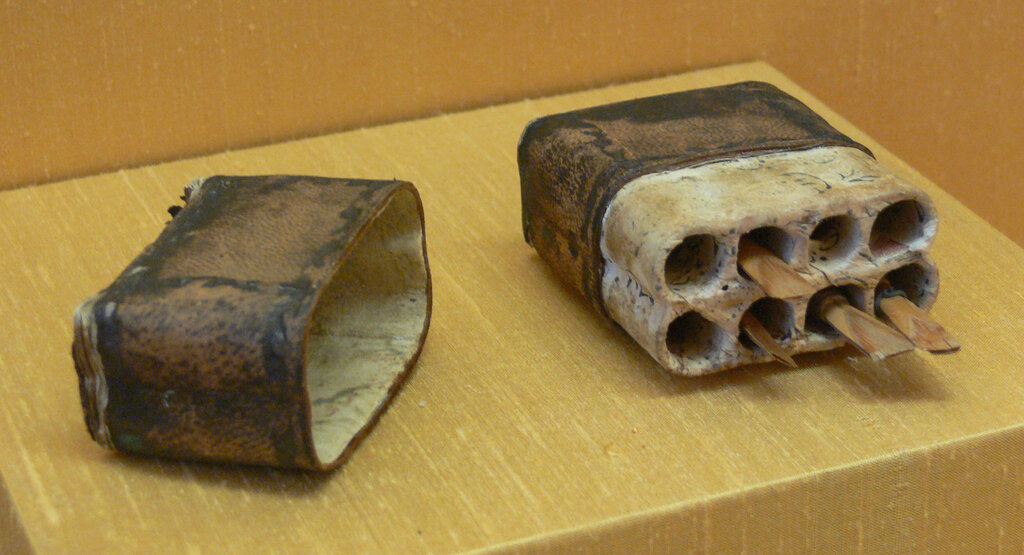
Reeds don't last forever. Most oboists keep several reeds on hand and rotate them. This gives each reed a chance to dry out completely between uses, which helps it last longer.
Ready to check your understanding? Let's see what you've learned.
What is the name of the top section of the oboe where the reed is inserted?
When assembling the oboe, what is the most critical element to align when connecting the upper and lower joints?
Taking the time to assemble and care for your oboe correctly sets you up for success. It protects your instrument and ensures it's always ready to play.