Introduction to the Oboe
Oboe Origins
From Reed Pipe to Orchestra
The oboe's clear, singing voice is a cornerstone of the modern orchestra, but its history stretches back thousands of years. Long before orchestras even existed, people across the world were making music with double-reed instruments. These early pipes were crafted from reeds, wood, or bone and played a part in everything from ancient rituals to social gatherings.
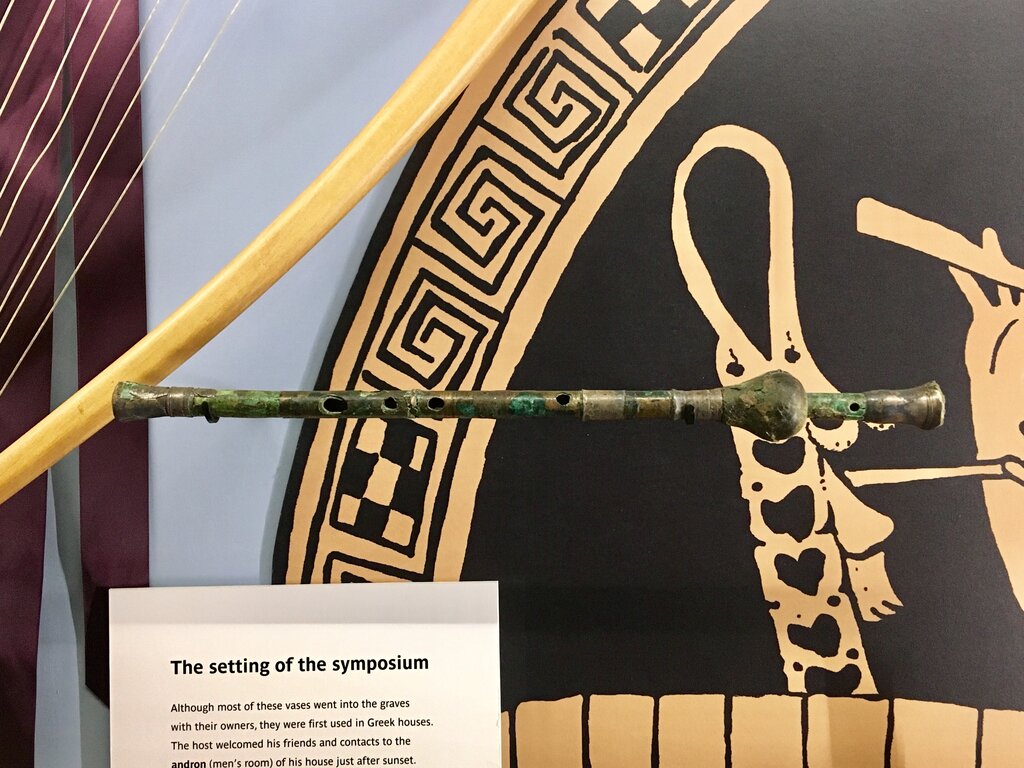
One of the most important ancestors was the shawm, a loud and powerful instrument popular in Medieval and Renaissance Europe. With its conical bore and piercing tone, the shawm was perfect for outdoor events and military bands. It was not, however, known for its subtlety.
Shawm
noun
A medieval and Renaissance wind instrument, forerunner of the oboe, with a double reed enclosed in a wooden mouthpiece, and a conical bore.
The Baroque Transformation
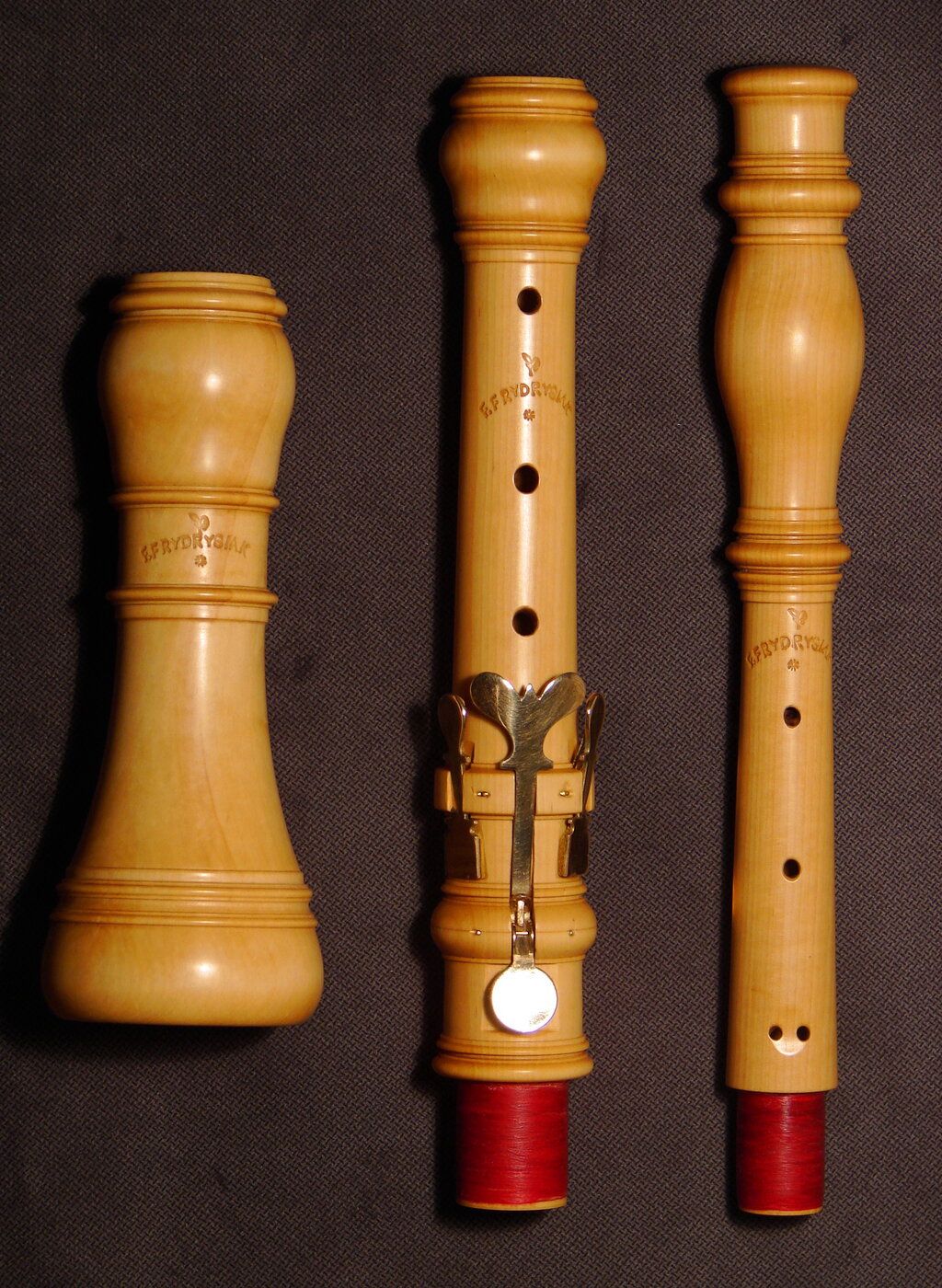
The 17th century brought a demand for more refined sounds suitable for indoor courts and the newly emerging opera houses. French instrument makers, particularly the Hotteterre family, began redesigning the shawm. They narrowed the bore, reduced the size of the finger holes, and divided the instrument into three sections, making it more agile and giving it a sweeter, more controlled tone.
This new instrument was called the hautbois, French for "high wood" or "loud wood." It was an instant success.
Composers of the Baroque era were quick to embrace the hautbois. Jean-Baptiste Lully featured it prominently in the French court orchestra, establishing its place in the ensemble. Soon, composers across Europe were writing for it. Johann Sebastian Bach gave the oboe soaring, expressive melodies in his cantatas and concertos. George Frideric Handel also used it to great effect in his orchestral works, recognizing its ability to carry a beautiful, lyrical line.
A Voice in the Orchestra
By the Classical period, the oboe was a permanent member of the orchestra. Its stable pitch and penetrating sound made it the ideal instrument for tuning the entire ensemble, a tradition that continues to this day. When you hear an orchestra warm up, the first note you'll often hear is an 'A' played by the principal oboist.
As the orchestra grew, so did the oboe's repertoire. Composers like Mozart wrote concertos that showcased the instrument's agility and expressive range. Influential oboists, such as Giuseppe Ferlendis (for whom Mozart's Oboe Concerto was written) and the Besozzi family in Italy, pushed the boundaries of what was possible on the instrument, inspiring composers to write ever more challenging and beautiful music.
Ready to test your knowledge?
What loud, powerful double-reed instrument, popular during the Renaissance, is considered the primary ancestor of the modern oboe?
Which of the following was a key modification made by 17th-century French instrument makers to transform the shawm into the more refined oboe (hautbois)?
From its ancient origins to its essential role in the orchestra, the oboe has a long and fascinating history. Its journey reflects the changing tastes and demands of Western music itself.