Introduction to the Oboe
Oboe History
From Reed Pipes to Hautbois
The story of the oboe begins long before concert halls existed. Thousands of years ago in Mesopotamia and Egypt, musicians played simple pipes with two vibrating reeds. These ancient instruments, ancestors of the oboe, were common across the ancient world. The Greeks had the aulos, and the Romans had the tibia, both double-reed instruments often played in pairs.
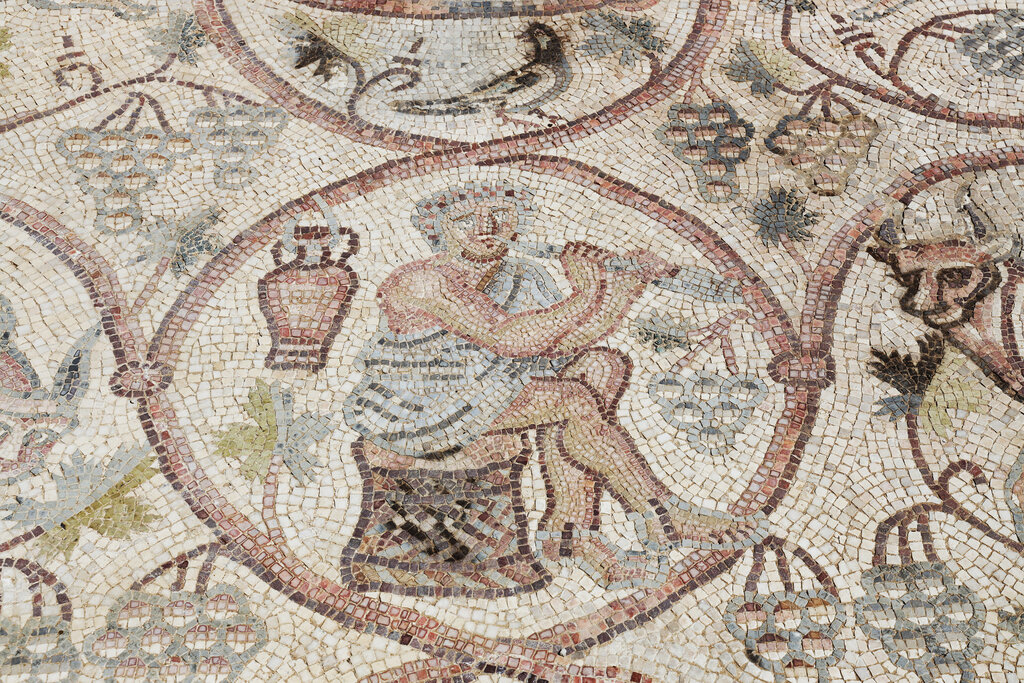
These early versions were basic, but the core principle was the same as today: air forced between two thin pieces of cane causes them to vibrate, creating a distinctive, piercing sound.
The Shawm's Loud Arrival
During the Middle Ages, a new and powerful double-reed instrument arrived in Europe from the Middle East: the shawm. Unlike its more primitive ancestors, the shawm had a conical bore, meaning it gradually widened from the mouthpiece to the end, and a flared bell. This design gave it a loud, trumpet-like tone that could carry over long distances.
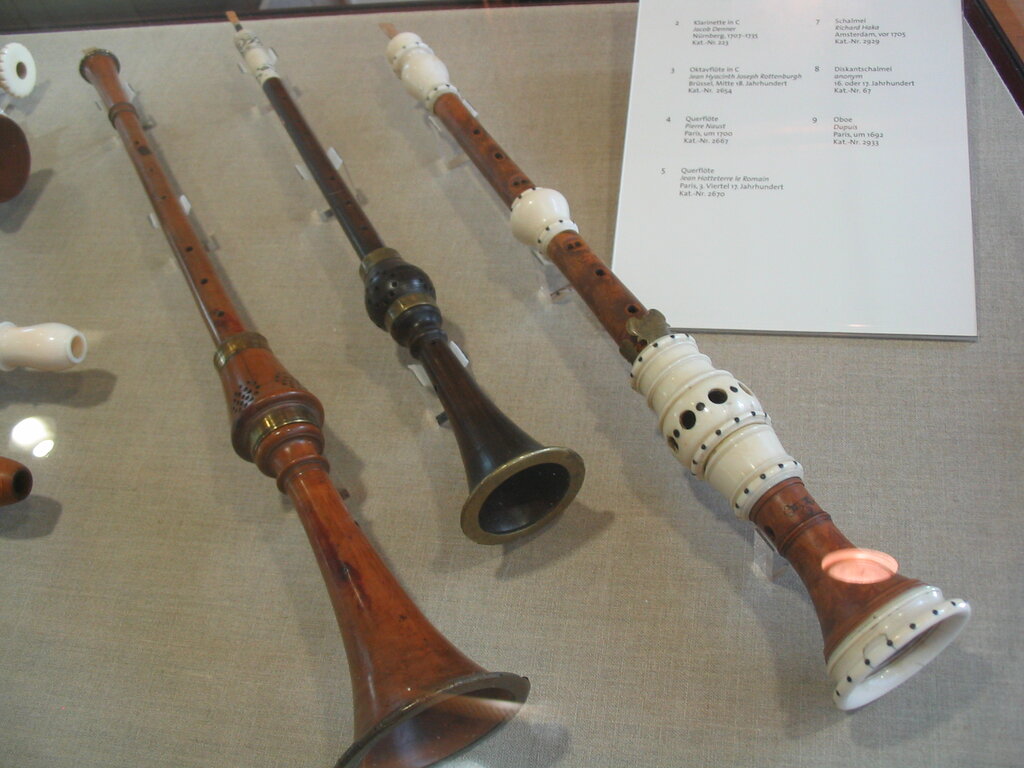
Because of its volume, the shawm was perfect for outdoor music. It became a staple in military bands, town ceremonies, and outdoor processions. It wasn't an instrument for quiet, indoor reflection; it was built to be heard.
A Softer Voice for the Court
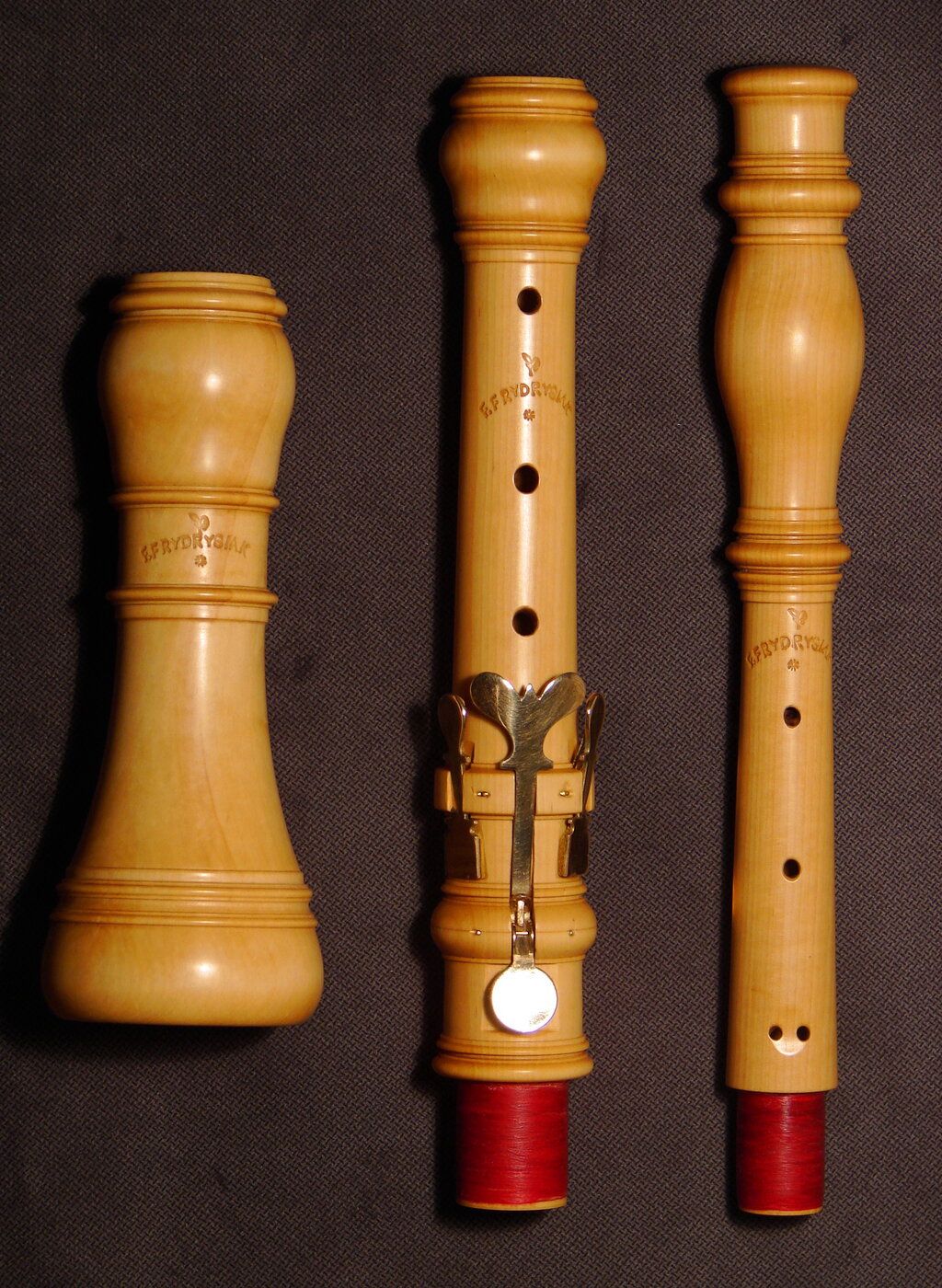
By the mid-17th century, musical tastes in the French court were changing. Composers and patrons wanted more nuance and control than the boisterous shawm could offer. French instrument makers, most notably the Hotteterre family, began to refine the shawm's design.
They gave the instrument a narrower bore and divided its body into three jointed sections, which improved its tuning and made it more portable. They also reduced the size of the reed and finger holes. The result was a much sweeter, more expressive instrument suitable for indoor chamber music and the newly forming orchestra.
High-wood or Loud-wood
This new instrument was called the hautbois, the direct predecessor of the modern oboe. Composers like Jean-Baptiste Lully quickly embraced it, giving it a prominent voice in orchestral music. Its ability to produce a stable pitch also led to its role as the instrument that tunes the orchestra, a tradition that continues today.
Adding Keys and Complexity
The Baroque hautbois was a major step forward, but it was still a simple instrument, typically with only two or three keys. As music grew more complex in the Classical and Romantic eras, composers demanded more from wind instruments. They needed to play in a wider range of keys and produce a more consistent tone across all notes.
Throughout the 18th and 19th centuries, makers gradually added more keys. This evolution culminated in the work of the Triébert family in Paris, who developed a sophisticated key system that became the foundation for the modern oboe. This system, known as the conservatoire system, allowed for greater agility and more reliable intonation.
With these changes, the oboe solidified its place as an essential voice in both the symphony orchestra and the military band, a versatile instrument with a rich history stretching back to the very beginnings of music.
What ancient double-reed instrument was the Greek predecessor to the oboe?
The shawm was primarily used for outdoor events because of its...