Introduction to the Oboe
Introduction to the Oboe
Meet the Oboe
The oboe is a member of the woodwind family. What sets it apart is how it makes its sound. Unlike a flute that uses a stream of air across an opening, or a clarinet that uses a single reed, the oboe uses a double reed. This is essentially two thin pieces of cane tied together. When the player blows through them, they vibrate against each other to create a very distinct, focused tone.
oboe
noun
A woodwind instrument with a double reed, a slender conical body, and a flared bell.
The sound of an oboe is often described as penetrating, clear, and somewhat nasal. It has a poignant, almost voice-like quality that can express a wide range of emotions, from deep sorrow to bright joy. This unique timbre allows it to be heard clearly, even when an entire orchestra is playing.
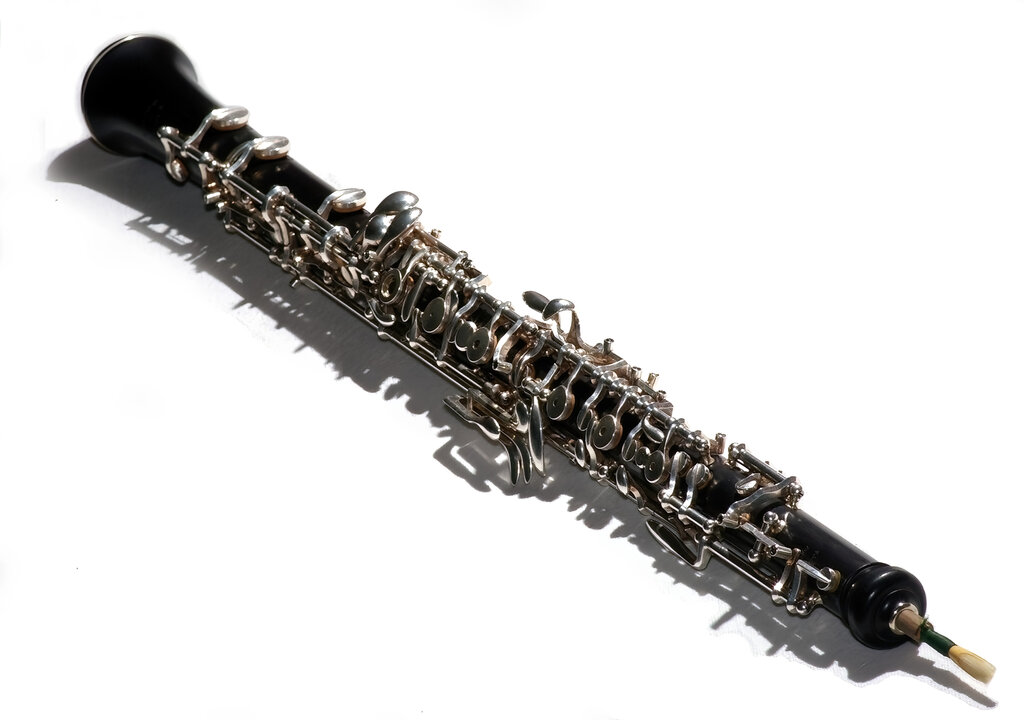
Because of its double reed, no other instrument sounds quite like an oboe.
The Orchestra's Pitch Pipe
If you've ever been to a symphony concert just before the music starts, you've probably heard a single, clear note ring out. That's the oboe. By tradition, the principal oboist plays an A, and the rest of the orchestra tunes their instruments to that pitch.
Why the oboe? Its sound is strong and cuts through the chatter, but more importantly, its pitch is very stable. It's less affected by changes in temperature and humidity than many other instruments, making it a reliable reference point for everyone to tune to.
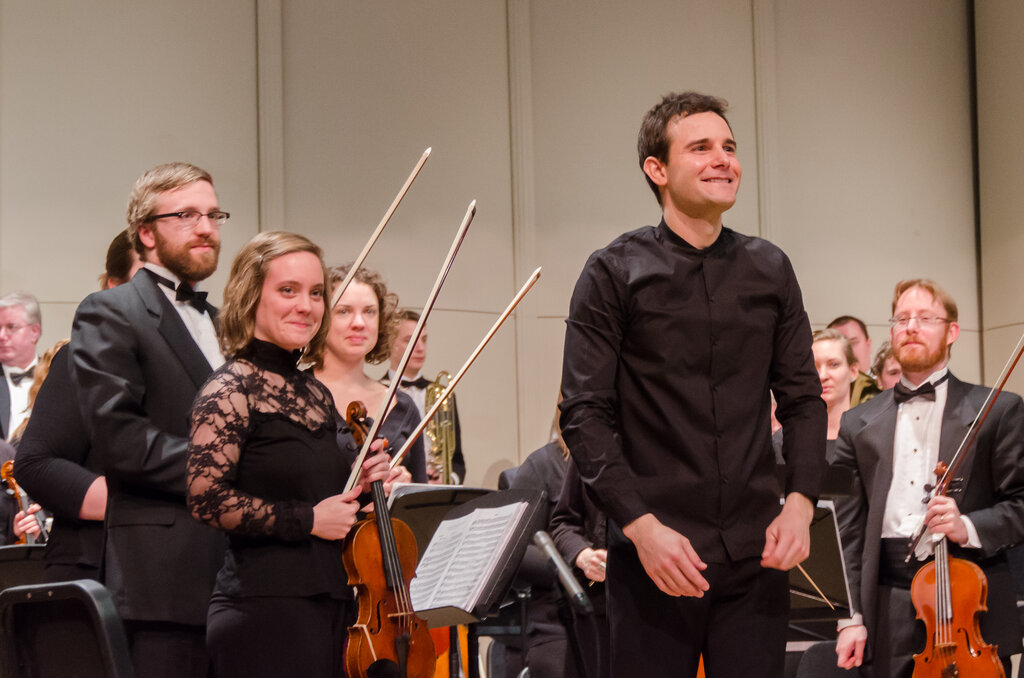
Beyond its role as the orchestra's tuning fork, the oboe is a star soloist. Composers love its expressive quality and often give it beautiful, memorable melodies. Think of the duck's theme in Prokofiev's Peter and the Wolf or the soaring solo in the second movement of Tchaikovsky's Fourth Symphony. The oboe's voice is perfect for carrying a lyrical line above the rest of the ensemble.
Beyond the Orchestra
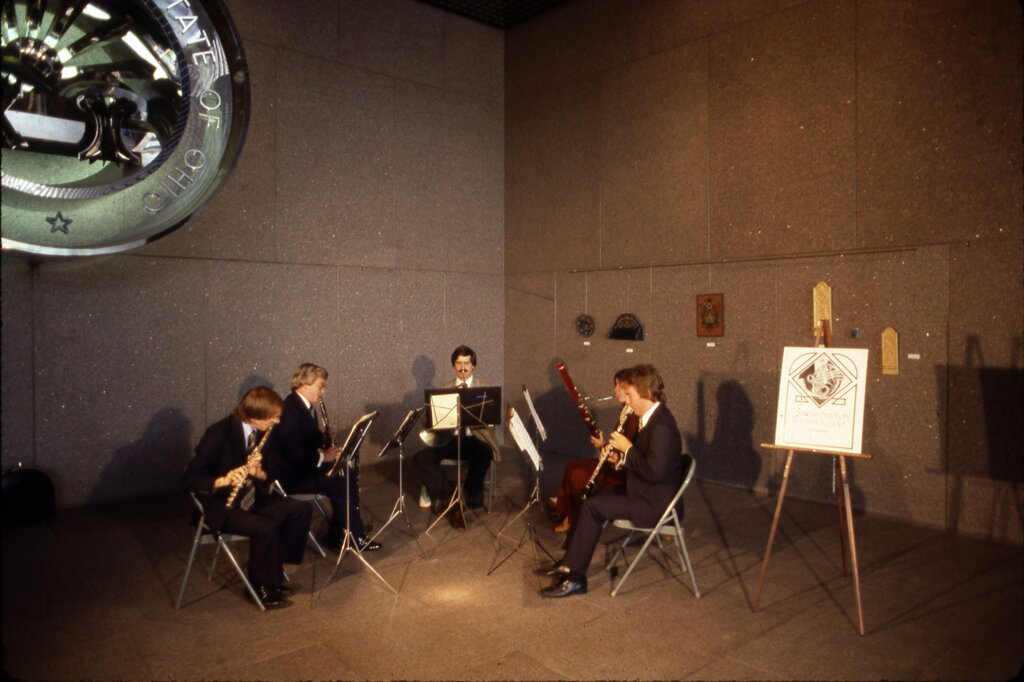
While famous for its orchestral role, the oboe is also a key player in smaller groups. It's a standard member of the woodwind quintet, where it joins the flute, clarinet, bassoon, and French horn. In this setting, the oboe’s distinct voice can really shine, blending with the other instruments while still maintaining its unique character.
Now let's review what makes the oboe special.
How does an oboe produce its sound?
Which note does the principal oboist traditionally play for the orchestra to tune to?
With its unique sound and pivotal role, the oboe is a truly indispensable part of the musical world.