Introduction to the Japanese Language
Hiragana and Katakana
The Two Syllabaries
Japanese uses three main writing systems, but you only need to worry about two for now: Hiragana and Katakana. Unlike an alphabet where letters represent single sounds (like b, c, d), these are syllabaries. Each character represents a full syllable, like ka, shi, or mo.
Think of them as two different fonts for the same set of sounds. Mastering these is your first major step into the Japanese language. They're the foundation for everything else.
Hiragana: The Everyday Script
Hiragana (ひらがな) is the workhorse of Japanese writing. Its characters are curvy and flowing. You'll see it everywhere, used for grammatical particles, verb endings, and native Japanese words that don't have a common kanji representation.
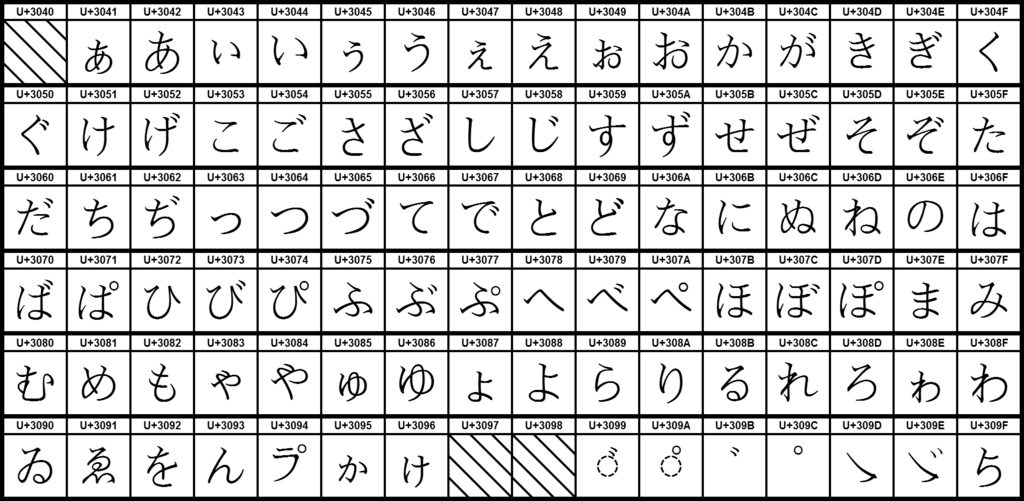
The system is incredibly consistent. The five main vowels are あ (a), い (i), う (u), え (e), and お (o). Most other characters are a combination of a consonant and one of these vowels. For example, the 'k' line is か (ka), き (ki), く (ku), け (ke), こ (ko).
Hello
This common greeting is written entirely in Hiragana. Once you know the characters, you can read it perfectly without knowing any complex kanji.
Katakana: For Foreign Words and Emphasis
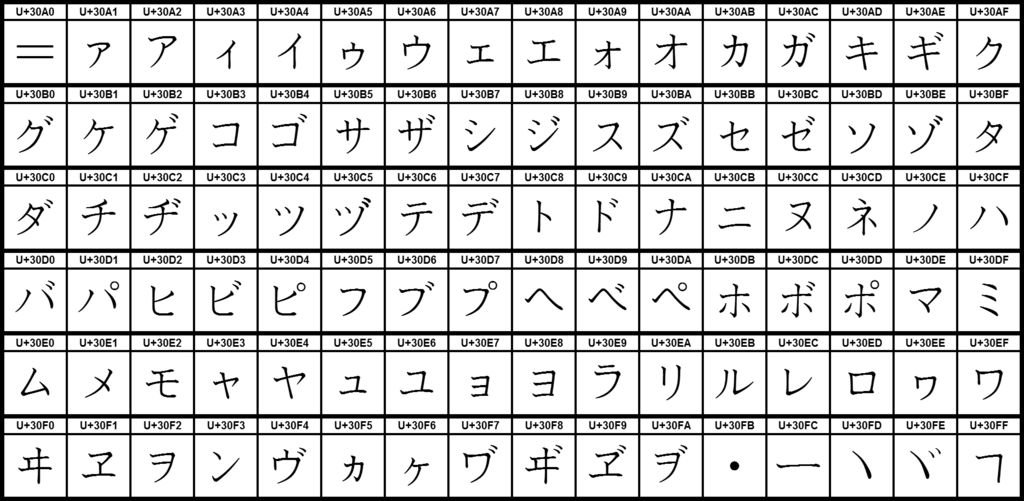
Katakana (カタカナ) represents the exact same set of sounds as Hiragana, but its characters are sharp and angular. Its primary job is to write words borrowed from other languages.
Think of a word like "coffee." It's not native to Japan, so it's written in Katakana as コーヒー (kōhī). Your name, if it isn't Japanese, would also be written in Katakana.
Katakana is also used for emphasis, much like we use italics. You'll see it in advertisements, for sound effects in manga, and for scientific names of plants and animals.
Let's look at another example. The word for "table" comes from English.
Table
Notice how the sounds are adapted to fit Japanese syllables. Since there's no "L" sound, it becomes an "R" sound. There's also no standalone "b" sound, so it becomes ブ (bu). These small changes are common when foreign words are adopted.
Pronunciation and Stroke Order
Japanese pronunciation is generally straightforward. The vowels are crisp and consistent:
- あ (a) as in "father"
- い (i) as in "see"
- う (u) as in "flute"
- え (e) as in "get"
- お (o) as in "boat"
Consonants are pronounced similarly to their English counterparts. Just remember that syllables are always given equal stress, without the rising and falling tones you might hear in English.
When you write in Japanese, do your characters look off? Perhaps you are using the wrong stroke order.
Stroke order, or the sequence and direction you write each line, is crucial. It's not just about being neat. Following the correct order helps with memorization and ensures your characters are balanced and recognizable. The general rules are simple: top to bottom, and left to right.
Learning the proper stroke order from the beginning will build good habits and make your handwriting much more natural over time.
Now, let's test your understanding of these core concepts.
What is the primary function of the Katakana (カタカナ) writing system in Japanese?
The Japanese writing systems Hiragana and Katakana are considered syllabaries. This means each character represents a...
Keep practicing both sets of characters until you can read and write them without hesitation. This foundation will make every future step in learning Japanese much smoother.