Introduction to the Japanese Language
Hiragana and Katakana
Meet the Kana
The Japanese writing system might seem complex at first because it combines three different scripts. But the foundation is built on two simple, phonetic alphabets called Hiragana and Katakana. Together, they are known as kana.
Each kana character represents a specific syllable, like "ka," "shi," or "mo." Once you learn them, you can technically write and pronounce any Japanese word. Think of them as the essential building blocks for reading and writing.
Every Japanese learner begins with the Japanese alphabet, specifically hiragana and katakana.
Hiragana: The Heart of Japanese
Hiragana (ひらがな) is the primary script you'll use. Its characters are curvy and flowing. You'll see it everywhere, used for native Japanese words, grammatical particles that connect sentences, and verb and adjective endings.
For example, the word for "cat" is ねこ (neko), and the particle that marks the subject of a sentence, は (wa), are both written in Hiragana. It's the glue that holds Japanese sentences together.
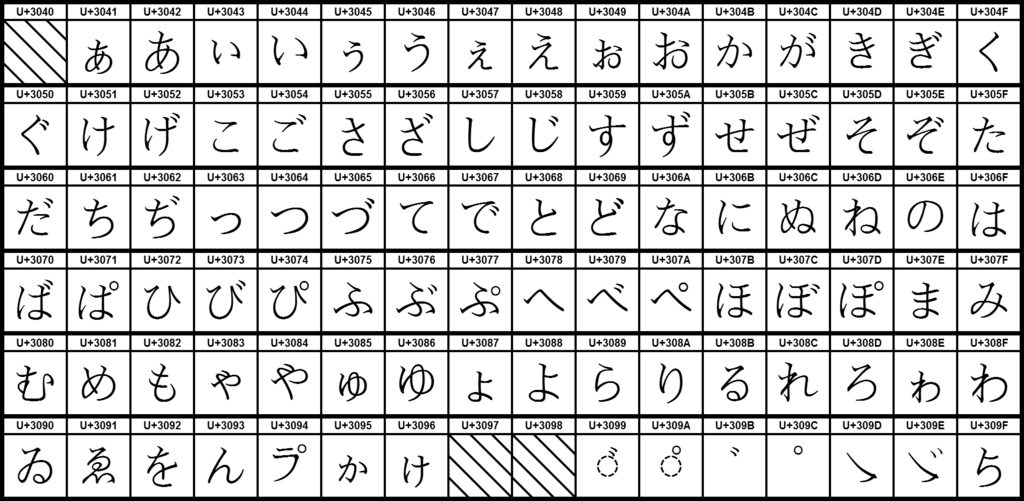
Learning Hiragana means memorizing the shape and sound of each character. The pronunciation is very consistent—each character has one sound. The character あ is always pronounced "a," and か is always "ka."
How you write them also matters. Every character has a specific stroke order, a set sequence and direction for each line. Following the correct stroke order isn't just about tradition; it helps you write faster, more clearly, and makes your handwriting recognizable.
Katakana: The Outsider's Script
Katakana (カタカナ) is the second kana script. Its characters are sharp, straight, and angular, which makes them stand out from the flowing Hiragana. This is intentional, as Katakana is used for words that are not native to Japanese.
Think of Katakana as the script for 'borrowed' words, like コンピューター (konpyūtā - computer) or コーヒー (kōhī - coffee). It's also used for foreign names, onomatopoeia (sound words like 'bang!' or 'meow'), and for emphasis, similar to how we use italics.
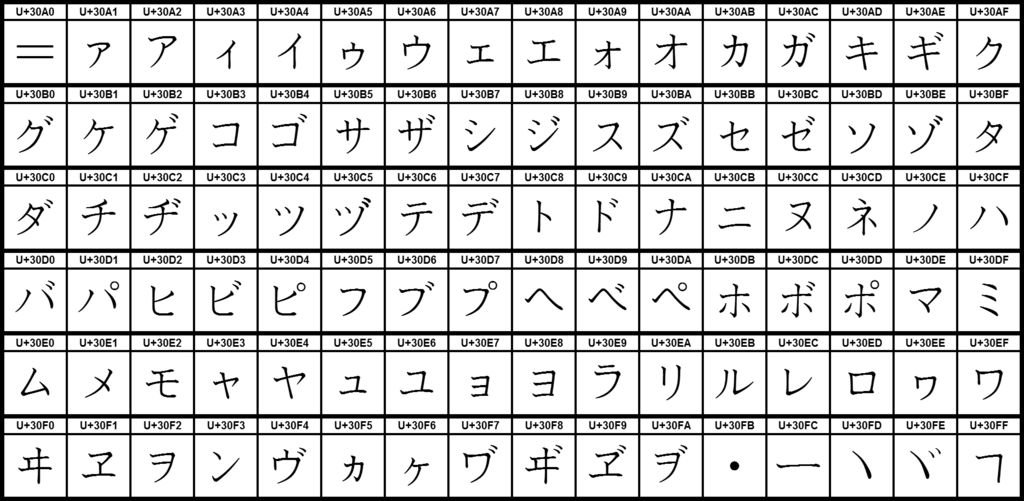
Many Katakana characters look similar to their Hiragana counterparts, but simplified. This is because they both evolved from the same Chinese characters centuries ago. Seeing them side-by-side helps highlight the stylistic differences.
| Sound | Hiragana | Katakana |
|---|---|---|
| ka | か | カ |
| ki | き | キ |
| se | せ | セ |
| so | そ | ソ |
| na | な | ナ |
| ri | り | リ |
Just like with Hiragana, learning the correct stroke order for Katakana is essential for writing legibly and efficiently. The principles are the same: top to bottom, left to right.
When to Use Which
So, how do you know when to use Hiragana versus Katakana? It's pretty straightforward. If it's a native Japanese word or a piece of grammar, use Hiragana. If it's a borrowed foreign word or requires special emphasis, use Katakana.
cat (a native Japanese word)
This word uses Hiragana because 'neko' is a Japanese word.
America (a foreign word)
And this word uses Katakana because 'America' is borrowed from English.
Mastering these two scripts is the first and most important step to reading and writing Japanese. With a solid foundation in kana, you'll be ready to tackle anything else the language throws your way.