Introduction to the German Language
German Alphabet and Pronunciation
The German Alphabet
The good news is that the German alphabet is almost identical to the English one. It has the same 26 letters you already know. The pronunciation, however, is where things get a little different. Many letters sound the same, but some have a distinct German sound.
The biggest difference is the addition of four special characters: ä, ö, ü, and ß.
We'll go through the sounds of each letter, but let's start with a quick overview of the full alphabet.
| Uppercase | Lowercase |
|---|---|
| A | a |
| B | b |
| C | c |
| D | d |
| E | e |
| F | f |
| G | g |
| H | h |
| I | i |
| J | j |
| K | k |
| L | l |
| M | m |
| N | n |
| O | o |
| P | p |
| Q | q |
| R | r |
| S | s |
| T | t |
| U | u |
| V | v |
| W | w |
| X | x |
| Y | y |
| Z | z |
| Ä | ä |
| Ö | ö |
| Ü | ü |
| ẞ | ß |
Vowels and Umlauts
Vowels are the core of German pronunciation. Unlike in English, they have very consistent sounds. German has short and long vowel sounds, but for now, we'll focus on the basic pronunciation.
- A sounds like the 'a' in "father".
- E sounds like the 'e' in "bed".
- I sounds like the 'ee' in "see".
- O sounds like the 'o' in "open".
- U sounds like the 'oo' in "moon".
Now for the special characters. The letters ä, ö, and ü are called Umlauts. They represent a shift in the vowel sound. Think of them as related to their non-umlaut cousins, but with a twist in how you shape your mouth.
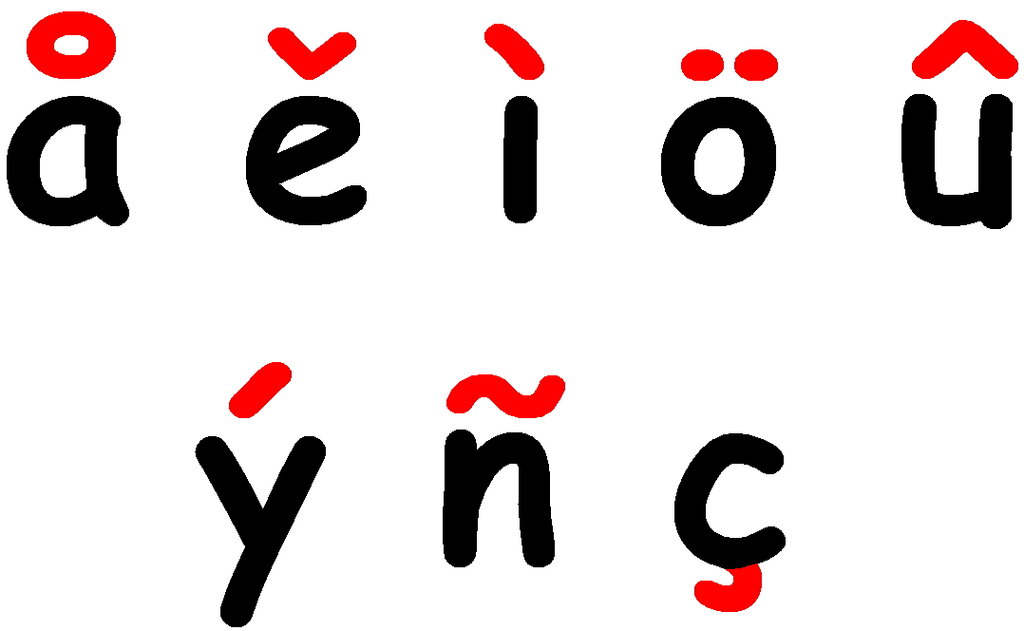
- Ä (A-Umlaut) sounds like the 'a' in "cat" or the 'e' in "bed". It's a brighter sound than the standard 'a'.
- Ö (O-Umlaut) doesn't have a perfect English equivalent. To make this sound, say "err" as in "learn" but with rounded lips, like you're about to say "oh".
- Ü (U-Umlaut) is also tricky. Try saying "ee" as in "see", but round your lips tightly as if you were whistling.
men
beautiful
five
Key Consonant Sounds
Most consonants sound just like they do in English, but a few key letters and combinations are different. Mastering these will make your German much easier to understand.
One of the best parts about German is that it's highly phonetic. Once you learn the rules, you can pronounce almost any word you see.
Here are some of the most important differences:
- J is pronounced like the English 'y' in "yes".
- V is pronounced like the English 'f' in "fan".
- W is pronounced like the English 'v' in "van".
- Z is pronounced like 'ts' in "cats".
- S at the beginning of a word is often a soft 'z' sound, as in "zoo".
Certain letter combinations also have their own distinct sounds:
- CH has two sounds. After 'a', 'o', or 'u', it's a throaty sound like the 'ch' in the Scottish "loch". After other vowels or consonants, it's a softer sound made by pushing air through the top of your mouth, similar to the 'h' in "huge".
- SCH is always pronounced like 'sh' in "shoe".
- ST and SP at the beginning of a syllable sound like 'sht' and 'shp', respectively.
yes
water
street
Finally, there's the ß, called the Eszett or "sharp S". It simply represents a sharp 'ss' sound, like in the word "hiss". You'll typically find it after a long vowel or a diphthong (a combination of two vowel sounds).
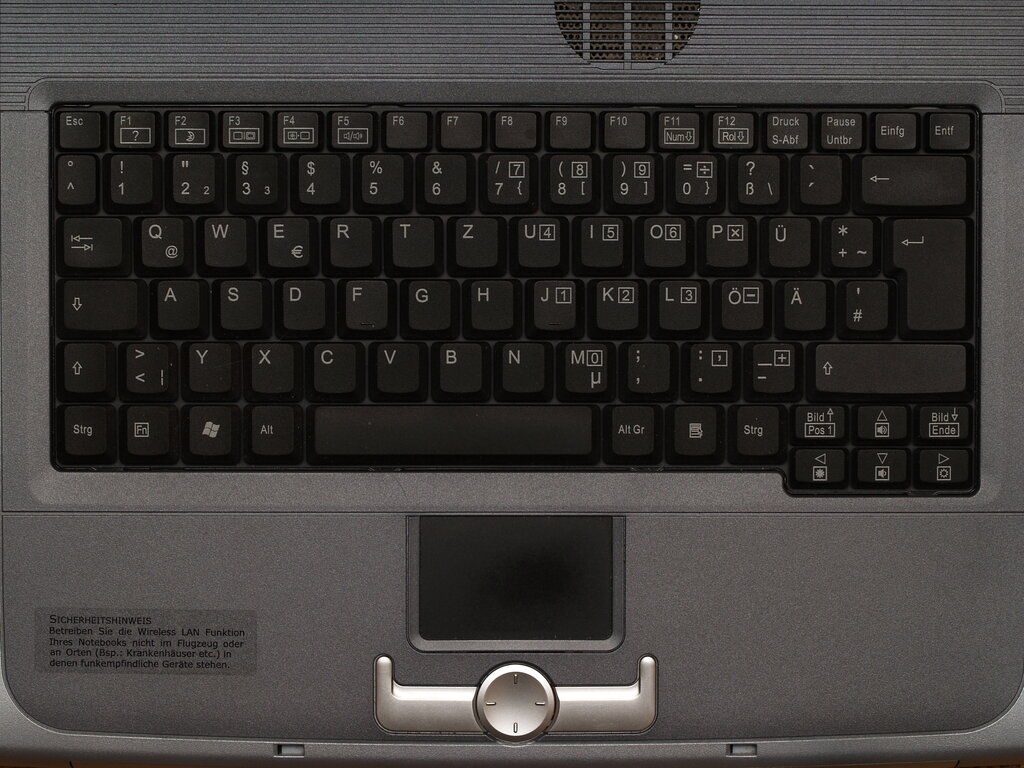
For example, the word for street, Straße, uses the ß because the 'a' sound is long. The word for water, Wasser, uses a double 's' because its 'a' is short.
That covers the basics of the German alphabet and its sounds. Let's test what you've learned.
How is the German vowel 'I' typically pronounced?
The German consonant 'W' is pronounced like which English letter?
Getting these sounds right is a fantastic first step. With practice, they'll become second nature.