Introduction to the German Language
German Alphabet
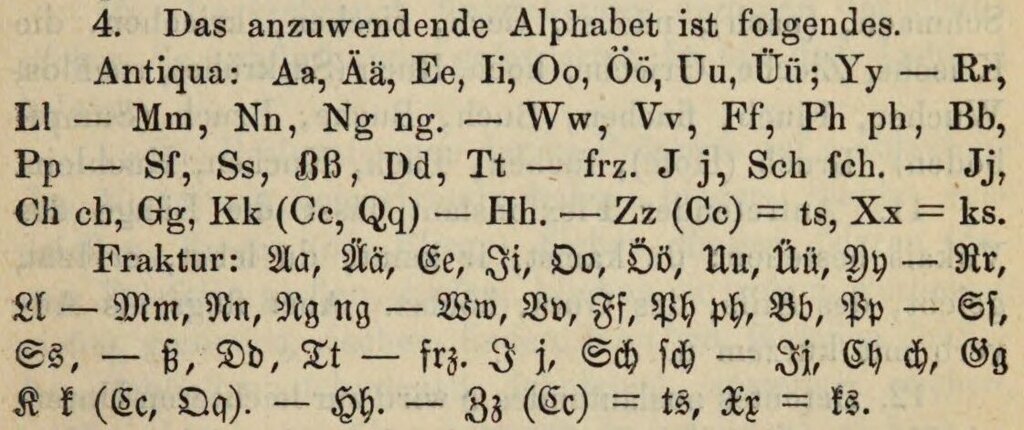
Das Alphabet
The German alphabet looks a lot like the English one. It has the same 26 standard letters. If you know the English alphabet, you're already most of the way there. The sounds are often very similar, but a few key differences will help you sound more like a native speaker right from the start.
Most consonants, like B, D, F, K, L, M, N, P, S, and T, sound almost exactly as they do in English. Vowels can be a bit different, but let's focus first on the consonants that will trip you up the most if you pronounce them the English way.
Letters with a Twist
A few German letters look familiar but have their own unique sounds. Getting these right is a huge step toward clear pronunciation.
| Letter | Sounds Like (in English) | German Example |
|---|---|---|
| J | 'y' in yes | Ja (yes) |
| V | 'f' in father | der Vater (the father) |
| W | 'v' in van | Wasser (water) |
| Z | 'ts' in cats | die Zeit (the time) |
Think of the car brand Volkswagen. In German, it's pronounced folks-va-gen, not volks-wag-en.
The Special Characters
Beyond the standard 26 letters, German has four special characters you'll need to know. Three of these are called Umlaute (umlauts). They're vowels with two dots on top, which changes their sound. The fourth is a unique consonant.
Umlaut
noun
A mark (¨) placed over a vowel in German to indicate a change in sound.
The three umlauted vowels are Ä, Ö, and Ü.
- Ä/ä: This sounds like the 'a' in "care" or the short 'e' in "bed".
- Ö/ö: This one is tricky as there's no direct English equivalent. To make the sound, shape your lips like you're about to say "oh," but instead say "ee."
- Ü/ü: This is another sound not found in English. Shape your lips as if you're whistling or saying "ooh," but try to say "ee" instead.
Finally, we have the Eszett, also known as the scharfes S (sharp S).
The letter ß looks like a capital B, but it's not. It's a special character that simply represents a double 's' sound, like in "miss".
You'll only ever see ß as a lowercase letter, and it never appears at the beginning of a word. For example, the word for "street" is Straße. If you're typing on a keyboard without the ß key, it's acceptable to write 'ss' instead, so Strasse is also correct.
What is the collective name for the German vowels Ä, Ö, and Ü?
The German letter 'ß' is also known as the...
Learning these new sounds takes practice. Don't worry about getting them perfect right away. Just being aware of them is the first and most important step.