Introduction to the English Language
Introduction to English
Welcome to English
English is a global language. You'll find it spoken in countries all over the world, and it's often the common language for international business, science, and the internet. Learning English opens up new opportunities for travel, work, and connecting with people from different cultures.
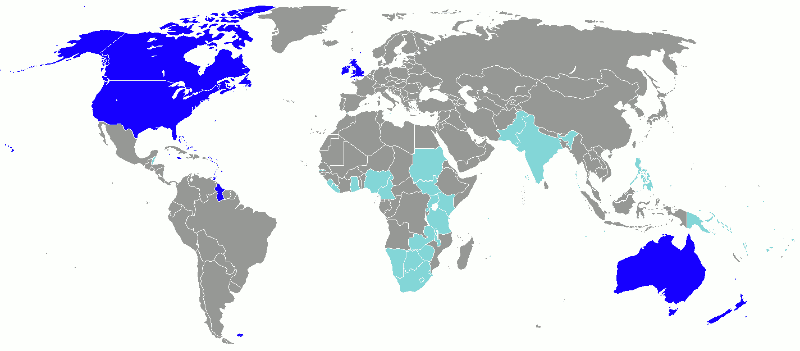
Like any language, English is built from small pieces. The first step is to learn its alphabet and the sounds those letters make. This is the foundation for everything else.
The English alphabet is the foundation of all English reading, writing, speaking, and listening.
The English Alphabet
The modern English alphabet uses 26 letters. Each letter has an uppercase (big) and a lowercase (small) form. For example, 'A' is uppercase, and 'a' is lowercase. They represent the same letter and sound.
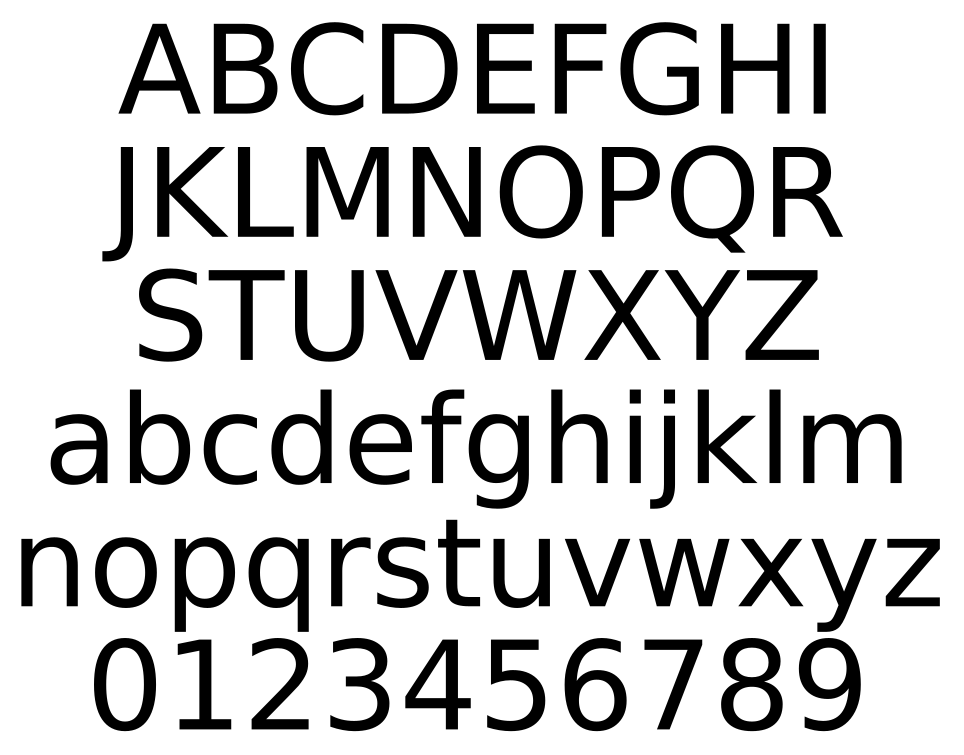
These letters are divided into two main groups: vowels and consonants.
The vowels are: A, E, I, O, U.
All the other letters are consonants. Vowels are special because you can't form a word in English without one. Sometimes the letter Y can act as a vowel, like in the words "rhythm" or "sky."
Letters and Sounds
Now for the sounds. This is where English can be a little tricky. In some languages, one letter always makes the same sound. In English, one letter can make several different sounds depending on the word it's in. This study of speech sounds is called phonetics.
phonetics
noun
The study and classification of speech sounds.
Let's look at the vowel 'A' as an example. Notice how it sounds different in each of these words.
| Word | Sound of 'a' |
|---|---|
| apple | The short 'a' sound, like ah |
| car | The long 'a' sound, like ah in father |
| cake | Sounds like its name, 'ay' |
This might seem confusing at first, but don't worry. As you learn more words, you'll start to recognize these patterns naturally. Listening to native speakers and practicing saying words aloud is the best way to learn.
To help learners, linguists created the International Phonetic Alphabet (IPA). It's a system where each symbol represents exactly one sound. You'll often see these symbols in dictionaries next to a word to show you how to pronounce it.
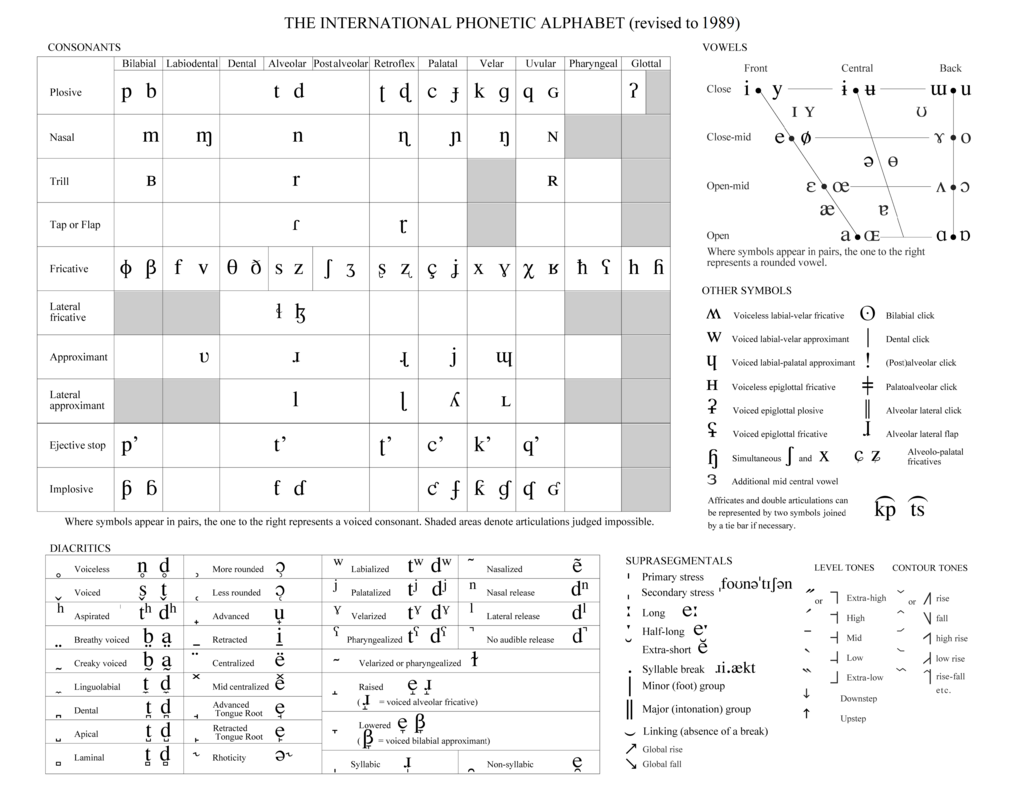
You don't need to memorize this chart right now. Just know that it's a helpful tool for mastering pronunciation. For now, focus on listening to and repeating the sounds of the alphabet and simple words. Ready to test your knowledge?
How many letters are in the modern English alphabet?
Which of the following groups contains only vowels?