Introduction to the Chinese Language
Introduction to Mandarin Chinese
What is Mandarin?
When people say they’re learning “Chinese,” they usually mean Mandarin. It’s the official language of the People’s Republic of China, Taiwan, and one of the official languages of Singapore. With over a billion speakers worldwide, it's the most spoken language on the planet.
Common Speech
In mainland China, Mandarin is called Pǔtōnghuà, which means “common speech.” This name gets to the heart of its role. China has hundreds of distinct dialects, some as different from each other as Spanish is from Italian. Mandarin acts as a linguistic bridge, allowing people from different regions to communicate.
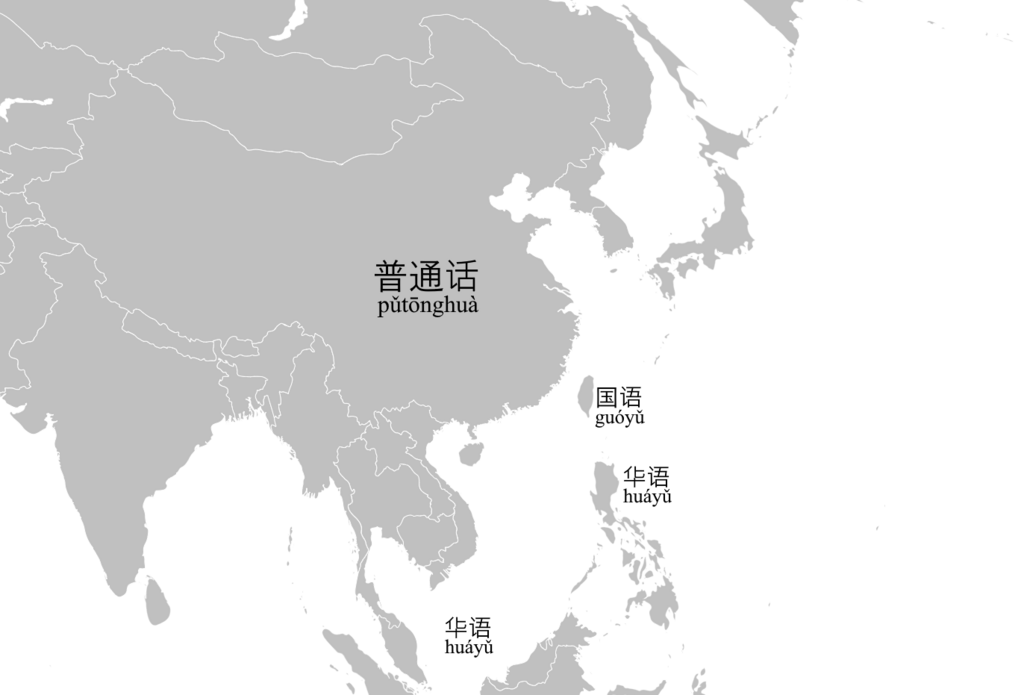
While dialects like Cantonese (spoken in Hong Kong and Guangdong province) and Shanghainese have deep cultural roots, Mandarin is the language of government, education, and media. Its importance makes it a vital tool for anyone interested in Chinese culture, business, or travel.
Mandarin Chinese is the most widely spoken form of Chinese and the official language of mainland China.
Pinyin and Tones
At first glance, Chinese characters can seem intimidating. The good news is that you don’t have to learn them right away. Learners start with a system called Pinyin.
Pinyin
noun
The official system for writing Mandarin Chinese sounds using the Roman alphabet.
Pinyin makes the language accessible. It lets you read and pronounce Chinese words using letters you already know. For example, the character for “hello,” 你好, is written in Pinyin as nǐ hǎo.
But there's a twist. The little marks above the vowels in nǐ hǎo are crucial. These are tone marks.
Mandarin is a tonal language. This means the pitch of your voice when you say a syllable changes its meaning entirely. A single sound, like ma, can mean “mother,” “hemp,” “horse,” or “to scold,” depending entirely on your tone.
There are four main tones, plus a fifth “neutral” tone where the syllable is unstressed and brief. Getting the tones right is one of the biggest challenges for new learners, but it's also what gives the language its melodic quality.
| Tone Number | Tone Mark | Pinyin Example | Description |
|---|---|---|---|
| 1st Tone | ¯ (macron) | mā | High and flat |
| 2nd Tone | ´ (acute) | má | Rises from mid to high |
| 3rd Tone | ˇ (caron) | mǎ | Dips down, then rises |
| 4th Tone | ˋ (grave) | mà | Falls sharply from high to low |
| Neutral Tone | (no mark) | ma | Short and unstressed |
Mastering Pinyin and tones is the foundation of speaking Mandarin. Once you have a feel for the sounds of the language, everything else becomes much easier.
Ready to check your understanding? Let's see what you've learned.
What is the primary function of Mandarin, also known as Pǔtōnghuà, within China?
The system that uses the Roman alphabet to represent the sounds of Mandarin Chinese is called ______.
With this foundation, you're ready to start exploring the sounds and basic phrases of Mandarin.