Introduction to the Art of Magic
What Magic Is
More Than Just Tricks
At its heart, magic is a performance art. It’s a craft dedicated to creating a specific feeling: wonder. When you watch a magic performance, you enter into an unwritten agreement with the magician. You know you’re seeing an illusion, but you willingly suspend your disbelief to enjoy the experience of the impossible becoming possible, even for just a moment.
This isn't about deception in a negative sense. It's a collaborative game between the performer and the audience. The magician uses a combination of skill, psychology, and storytelling to guide your perception and create a moment of pure astonishment. The goal isn’t to prove supernatural powers, but to provide entertainment and a brief escape from the predictable rules of everyday life.

The Art of Astonishment
The core purpose of magic is to evoke powerful emotional responses. It plays with our fundamental assumptions about how the world works. A great magic effect doesn't just fool your eyes; it challenges your mind. This is achieved by skillfully manipulating the audience's attention and expectations.
Magicians are masters of applied psychology. They understand how the human brain processes information, where its blind spots are, and how to exploit cognitive shortcuts. The art of misdirection isn't simply about distracting you with a flashy gesture. It's a sophisticated technique that directs your internal thoughts and assumptions, making the secret method of a trick invisible by hiding it in plain sight.
From Ritual to Stage
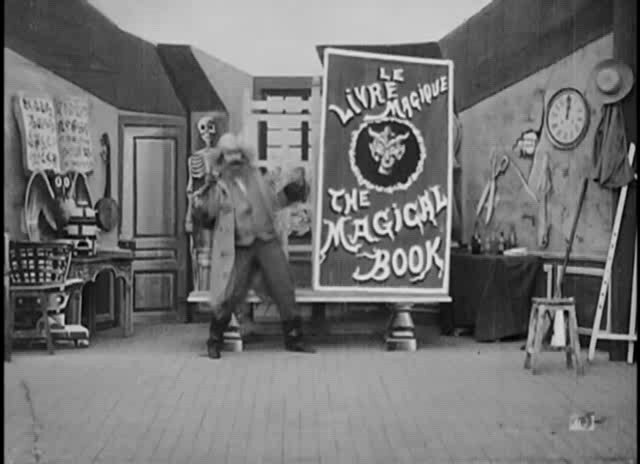
The practice of creating illusions is ancient, with roots in shamanistic rituals and religious ceremonies where unexplainable feats were used to signify spiritual power. However, magic as we know it today, a form of public entertainment, began to take shape during the 18th and 19th centuries.
Performers like Jean-Eugène Robert-Houdin transformed magic from a street-corner hustle into a respectable theatrical art form. They brought it into sophisticated theaters, dressing in formal attire and presenting their illusions as demonstrations of scientific principles or refined skill. This shift moved magic away from claims of supernatural ability and firmly into the world of entertainment, a tradition carried on by legendary figures like Harry Houdini.
Magic is not about claiming to have real powers. It’s about creating the illusion of those powers for the sake of art and entertainment.
This distinction is crucial. A stage magician is an honest liar; they tell you they are going to fool you, and then they do. This is fundamentally different from psychics or mediums who use similar techniques but claim their abilities are genuine. The modern magician’s integrity lies in the transparency of their intent: to entertain, not to deceive for personal gain or to claim supernatural authority.
What is the primary agreement between a magician and their audience?
According to the text, the art of misdirection is primarily about what?
Understanding magic as a performance art, rooted in psychology and history, provides a framework for appreciating the skill and creativity behind every effect. It's a celebration of human ingenuity and our shared capacity for wonder.