Introduction to Technology
Introduction to Technology
What Is Technology?
When you hear the word “technology,” you probably think of smartphones, laptops, and the internet. But technology is much broader than that. At its core, it’s the application of knowledge to create tools and processes that solve problems and extend human capabilities.
Technology
noun
The application of scientific knowledge for practical purposes, especially in industry. It encompasses the tools, techniques, and systems used to create goods or provide services.
Think about the earliest tools. A sharpened stone used for cutting was a form of technology. So was the wheel, which made it easier to move heavy objects. These innovations, simple as they seem now, were revolutionary. They were solutions to the fundamental challenges of survival and progress.
A Brief History of Tools
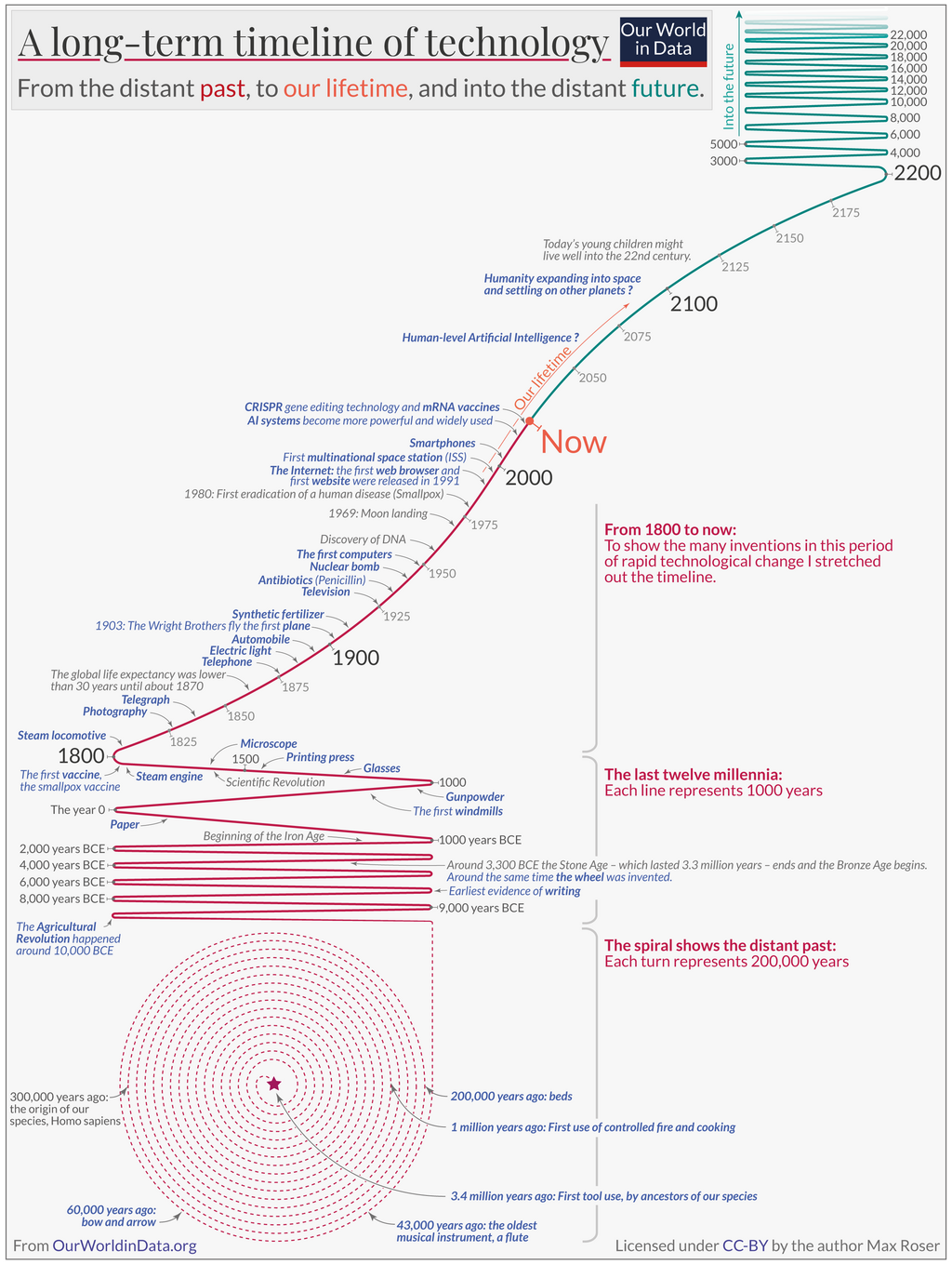
The story of technology is the story of humanity. For millions of years, our ancestors relied on simple stone tools. This period, the Stone Age, laid the groundwork for everything that followed. Each new invention built on the last, gradually changing how people lived.
The invention of the printing press in the 15th century made information accessible to a wider audience, fueling the Renaissance and the Scientific Revolution. A few centuries later, the steam engine powered the Industrial Revolution, transforming manufacturing, transportation, and daily life. The 20th century brought electricity, the automobile, and the airplane.
Then came the digital age. The invention of the transistor led to the computer, and eventually, the internet connected the world in ways that were once unimaginable.
Modern Fields of Technology
Today, technology is a vast collection of specialized fields, each focused on different challenges. While there are countless branches, a few key areas drive much of modern innovation.
| Type | Focus | Examples |
|---|---|---|
| Information Technology (IT) | Storing, retrieving, and sending information. | Computers, software, the internet, networks. |
| Biotechnology | Using living organisms or systems to develop products. | Genetic engineering, fermentation for food, new medicines. |
| Nanotechnology | Manipulating matter at the atomic and molecular scale. | Sunscreen with nanoparticles, drug delivery systems. |
| Energy Technology | Producing, storing, and conserving energy. | Solar panels, wind turbines, battery storage. |
These fields often overlap. For example, biotechnology relies heavily on information technology to analyze huge amounts of genetic data. Nanotechnology is being used to create more efficient solar panels in energy tech. This collaboration is what pushes progress forward.
Ultimately, all technology serves a common purpose: to solve a problem. It’s about finding a better, faster, or easier way to do something.
From growing more food with agricultural technology to communicating across oceans with telecommunications, technology has consistently helped us overcome our natural limitations. It allows us to build safer homes, cure diseases, and explore the universe. Each advancement, big or small, represents a new tool in our collective toolkit for addressing human needs.
Ready to check your understanding?
What is the core definition of technology, as described in the text?
Which invention was the key catalyst for the Industrial Revolution?
Understanding what technology is and where it comes from provides a foundation for exploring its deeper impacts on our world.