Introduction to Technology
Introduction to Technology
What Is Technology?
Technology is more than just the latest smartphone or gadget. At its core, it's the process of using scientific knowledge to achieve a practical goal. Think of it as humanity's toolkit, filled with inventions and methods we've developed to solve problems, make tasks easier, and reshape our world.
Technology
noun
The application of scientific knowledge for practical purposes, especially in industry.
This toolkit isn't new. From the first stone tools carved by our ancestors to the complex algorithms that power the internet, technology encompasses every tool, machine, and process we've created. A simple lever is technology. So is a pencil. These innovations all stem from observing the world, understanding its principles, and applying that knowledge to create something useful.

A Brief History of Progress
The story of technology is the story of human history. Early humans began shaping stones into tools about 3 million years ago, a huge leap that allowed them to hunt more effectively and process food. The control of fire was another milestone, providing warmth, protection, and a way to cook.
Over millennia, innovations slowly built upon one another. The invention of the wheel and the plow transformed agriculture and transportation, allowing for the growth of the first cities. Much later, the printing press in the 15th century made knowledge accessible on an unprecedented scale, fueling the Renaissance and the Scientific Revolution.
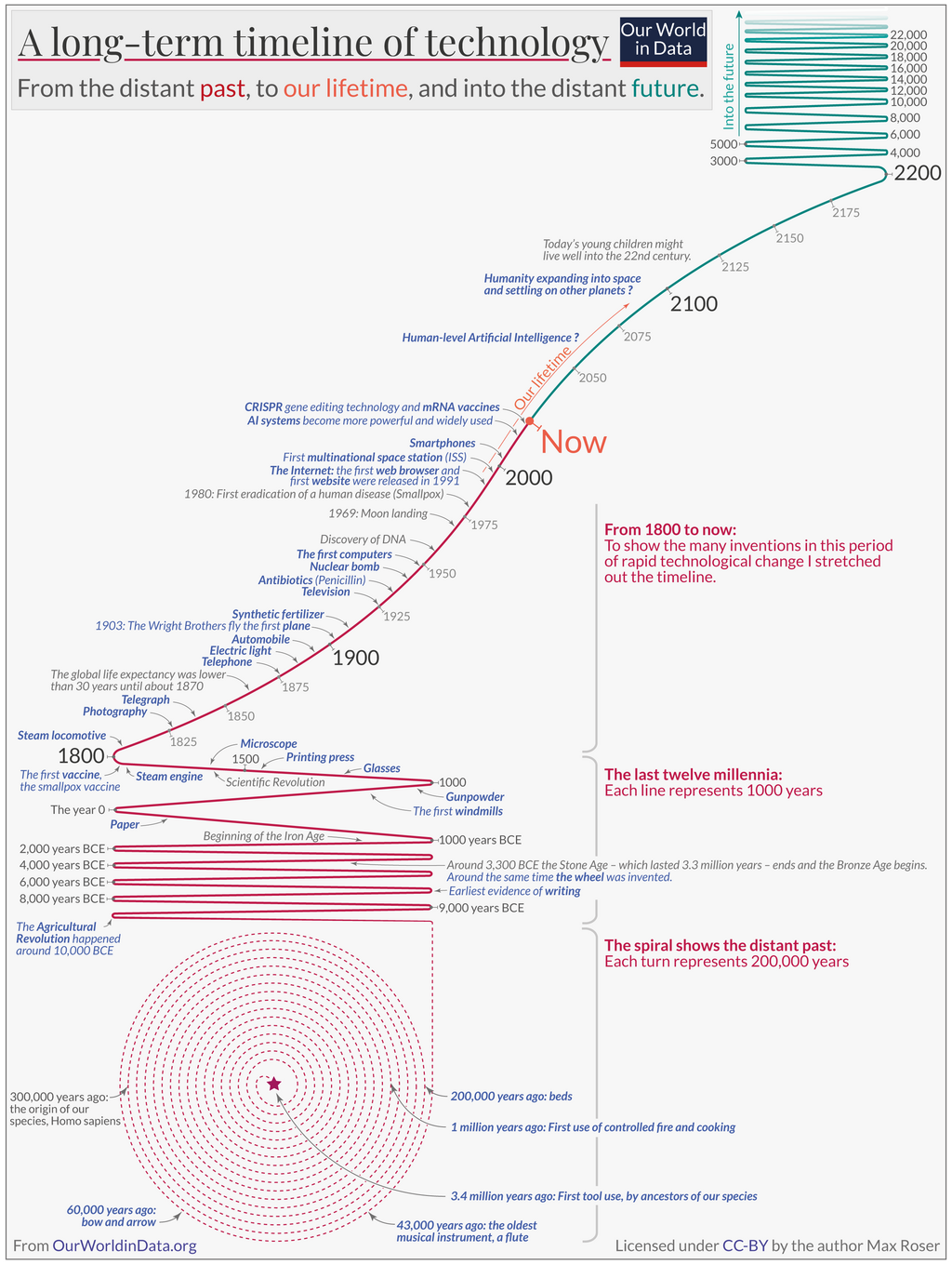
The pace of change quickened dramatically with the Industrial Revolution in the 18th and 19th centuries. The steam engine, electricity, and mass production reshaped societies. The 20th century brought the automobile, the airplane, and then the digital revolution with the invention of the transistor, leading to computers and the internet. Each step, big or small, has changed how we live.
Technology's Role in Society
Technology and society have always been deeply connected. New inventions don't just appear in a vacuum; they arise from societal needs and, in turn, create profound social change. Agricultural technology, for example, allowed humans to shift from nomadic hunter-gatherer lifestyles to settled farming communities. This led to population growth, division of labor, and the development of villages and cities.
Technological advancements are a primary driver of societal development, changing how we work, communicate, and organize our lives.
The factories of the Industrial Revolution drew people from the countryside to urban centers, creating a new working class and fundamentally altering economic and family structures. In our own time, the internet has flattened the world, enabling instant global communication and creating new industries while disrupting old ones. From the way we grow our food to the way we form relationships, technology is woven into the fabric of our daily existence.
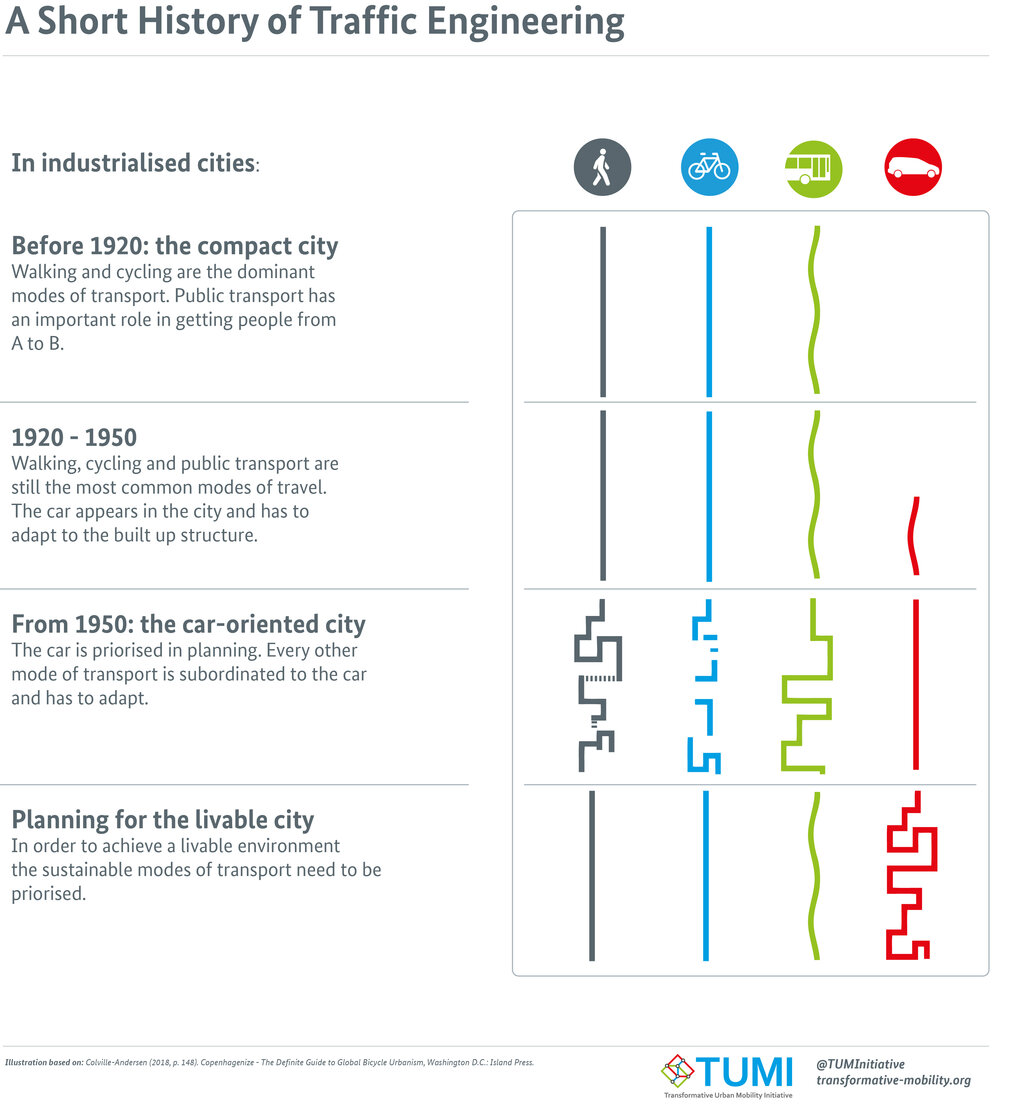
Understanding technology is about more than keeping up with new devices. It's about recognizing one of the most powerful forces that has shaped our past and will continue to shape our future.
What is the core definition of technology, as described in the text?
True or False: The text suggests that technology develops independently from societal needs and has little impact on social structures.