Introduction to Tea
Introduction to Tea
What Exactly Is Tea?
It might seem like a simple question, but the answer is specific. True tea is an infusion of the processed leaves of a particular plant: Camellia sinensis. Whether you're drinking a dark, robust black tea or a light, grassy green tea, it all starts with this one species. Other herbal drinks, like chamomile, mint, or rooibos, are more accurately called tisanes or herbal infusions, as they don't come from the tea plant.
All true teas come from the same plant – Camellia Sinensis.
This single plant is the source of thousands of tea varieties around the world. The incredible diversity in flavor, aroma, and color comes from where the plant is grown, when its leaves are harvested, and how they are processed after picking.
The Tea Plant
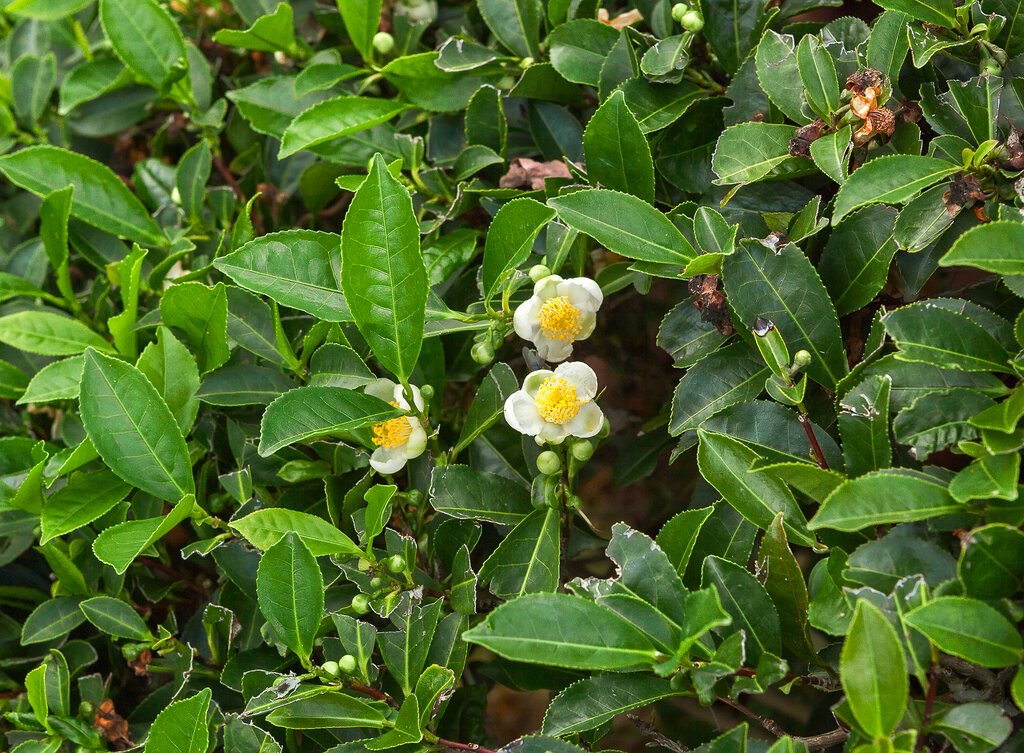
Camellia sinensis is an evergreen shrub native to East Asia. In the wild, it can grow into a tree, but on tea plantations, it's usually pruned to a manageable, waist-high bush to make harvesting easier. The plant thrives in acidic soil and regions with heavy rainfall and high humidity.
There are two main varieties used for commercial tea production: Camellia sinensis var. sinensis, a smaller-leafed variety from China, and Camellia sinensis var. assamica, a larger-leafed variety native to the Assam region of India.
The part of the plant that's harvested is typically the newest growth, called a "flush." This consists of an unopened bud and the two youngest leaves at the top of a branch. These tender new leaves contain the highest concentration of the compounds that give tea its unique flavor and aroma.
A Journey Through Time
The story of tea begins in ancient China. Legend credits its discovery to Emperor Shennong in 2737 BCE, when leaves from a wild tea tree supposedly blew into his pot of boiling water. While this story is likely a myth, tea was indeed first consumed in China, initially as a medicinal beverage.
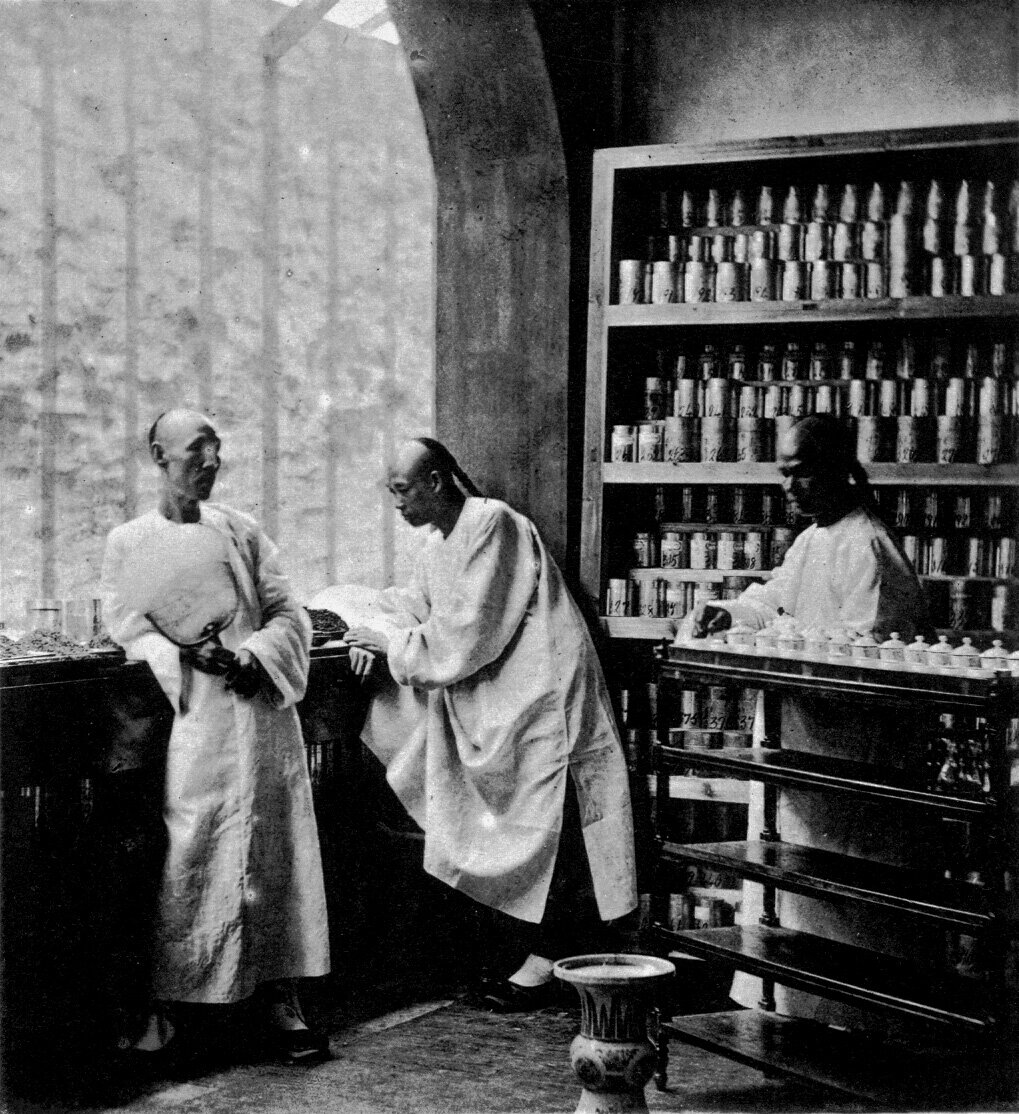
During the Tang dynasty (618–907 CE), tea became a popular recreational drink, and its preparation and consumption evolved into a refined art form. The world's first book dedicated entirely to tea, The Classic of Tea by Lu Yu, was written during this period, detailing its cultivation and preparation. Buddhist monks returning from China introduced tea to Japan and Korea, where it became central to their own cultures.
Tea didn't reach Europe until the 17th century, brought by Portuguese and Dutch traders. It quickly became a fashionable, high-status beverage, especially in Britain. The British demand for tea was so immense that it had significant global consequences, leading to the establishment of vast tea plantations in India and Sri Lanka and even contributing to the Opium Wars with China.
Tea Around the World
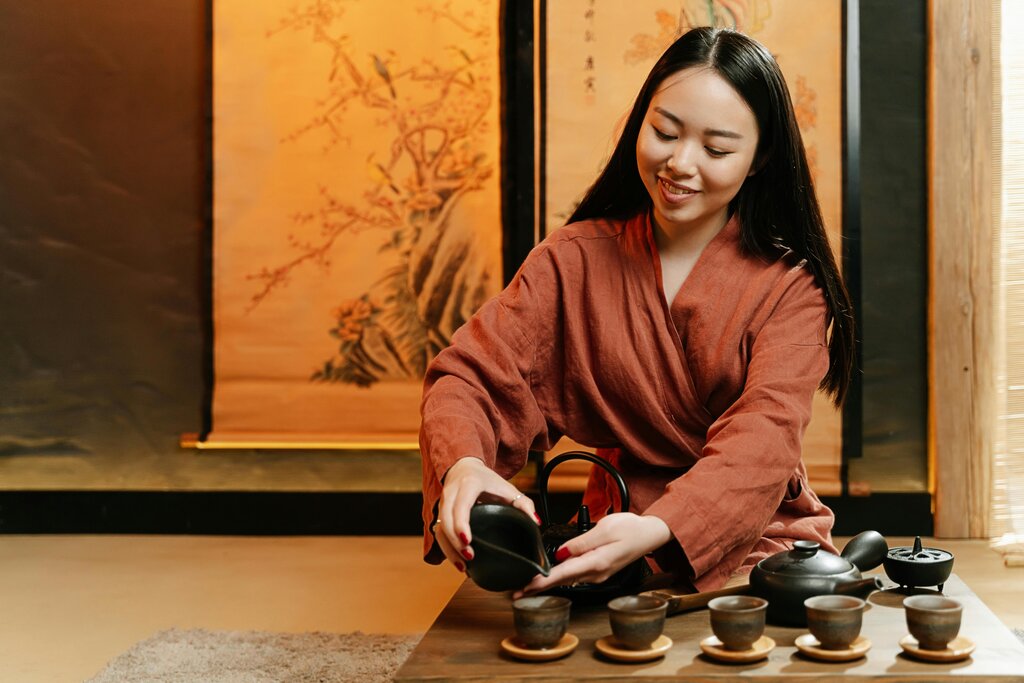
Today, tea is the second most consumed beverage in the world, after water. Its cultural significance is vast and varied. In Japan, the intricate tea ceremony, or chanoyu, is a spiritual and aesthetic practice. In China, the gongfu tea ceremony emphasizes the skill of brewing to appreciate the tea's nuances. In Britain, afternoon tea is a cherished social ritual, while in India, spiced chai is a daily staple sold on nearly every street corner.
Beyond its cultural roles, tea is a major global commodity that supports the livelihoods of millions of people, from smallholder farmers to workers in large plantations and processing factories. The top tea-producing countries today are China, India, Kenya, and Sri Lanka.
| Country | Primary Tea Type(s) | Cultural Note |
|---|---|---|
| China | Green, Oolong, Pu-erh | Birthplace of tea; rich ceremonial traditions. |
| India | Black (Assam, Darjeeling) | World's largest consumer; famous for masala chai. |
| Kenya | Black (CTC) | Leading exporter; tea is a major cash crop. |
| Sri Lanka | Black (Ceylon) | A cornerstone of the national economy. |
| Japan | Green (Sencha, Matcha) | Integral to Zen Buddhism and cultural ceremonies. |
From a single plant species discovered centuries ago, tea has grown into a global phenomenon that shapes economies, inspires art, and brings people together every day.