Introduction to Tarot Reading
Tarot Deck Structure
The Anatomy of a Tarot Deck
A standard Tarot deck is like a book of 78 pages, each telling a different part of the human story. These cards are split into two main sections: the Major Arcana and the Minor Arcana. Think of them as two different kinds of stories. The Major Arcana tells the epic tales, while the Minor Arcana fills in the details of daily life.
This collection covers all 78 cards in the traditional Tarot deck, including the 22 Major Arcana cards that represent major life themes and spiritual lessons, and the 56 Minor Arcana cards that address everyday situations and practical matters.
The Major Arcana
The Major Arcana consists of 22 cards, each representing a major life lesson, archetype, or spiritual theme. These cards are unsuited, meaning they stand alone. They chart a course through life's biggest moments and turning points, from the innocence of The Fool to the completion of The World. Together, they tell a story known as the "Fool's Journey," which is a metaphor for the soul's journey through life.
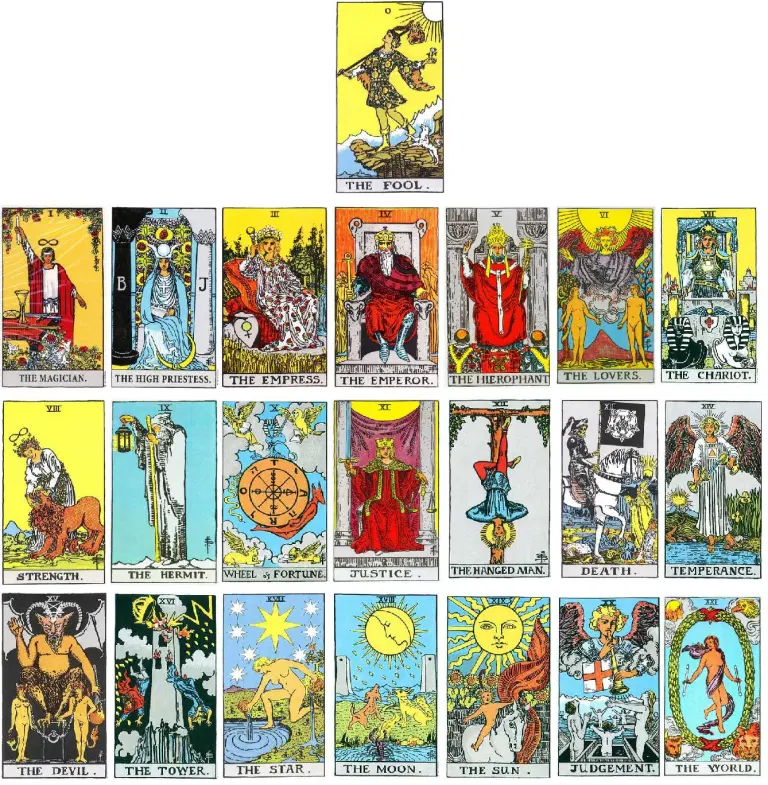
When a Major Arcana card appears in a reading, it often signals a significant, long-term influence or a major life event that deserves attention. It’s pointing to the bigger picture.
The Minor Arcana
The other 56 cards make up the Minor Arcana. These cards represent the day-to-day situations, challenges, and interactions we experience. If the Major Arcana is the main plot of your life, the Minor Arcana is the cast of characters and the daily scenes.
The Minor Arcana is divided into four suits, much like a standard deck of playing cards. Each suit is connected to one of the four classical elements and governs a specific area of life.
| Suit | Element | Represents |
|---|---|---|
| Wands | Fire | Action, passion, creativity |
| Cups | Water | Emotions, relationships, intuition |
| Swords | Air | Thoughts, challenges, intellect |
| Pentacles | Earth | The material world, finances, work |
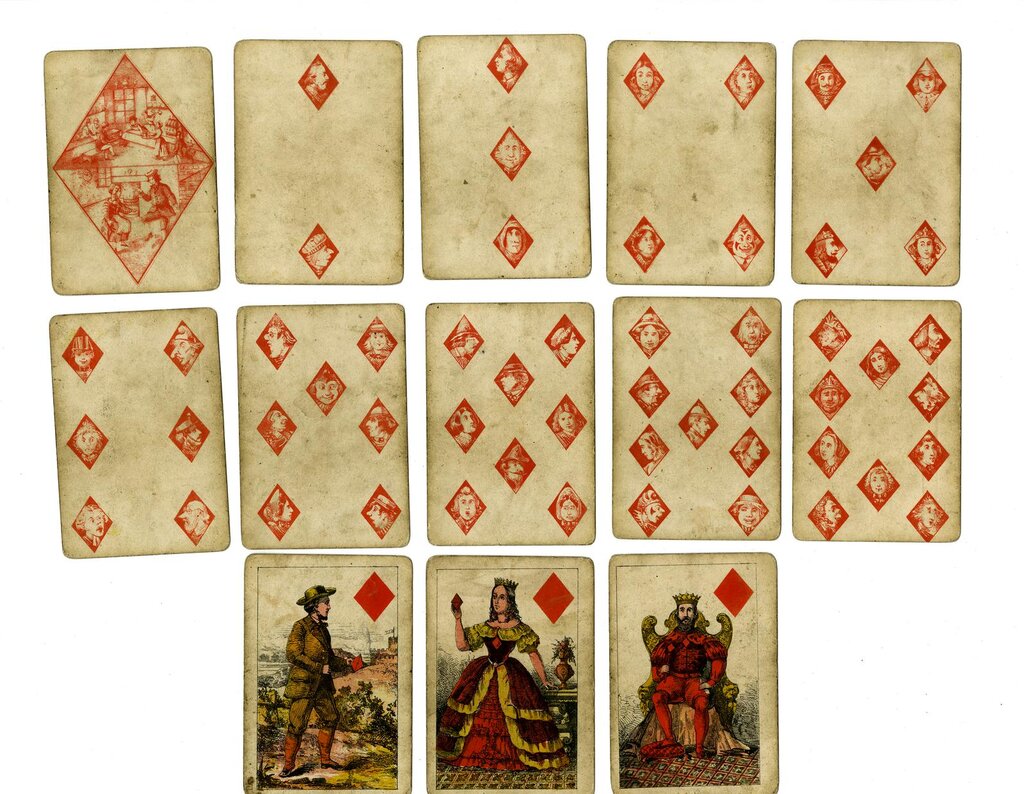
Each of these four suits contains 14 cards. This structure is consistent across all suits. It breaks down into ten numbered cards and four Court Cards.
The numbered cards, from Ace (one) to ten, typically show the progression of a story or idea within that suit's theme. The Ace often represents a new beginning, while the ten signifies completion or an extreme manifestation of the suit's energy.
The four Court Cards in each suit are the Page, Knight, Queen, and King. These cards often represent people, personality types, or different levels of maturity and mastery related to their suit's element.
Let's review the core components of the deck.
Now, check your understanding of how a Tarot deck is organized.
A standard Tarot deck consists of how many cards?
What is the primary difference in focus between the Major Arcana and the Minor Arcana?
Understanding this two-part structure is the first step. It provides a framework that makes learning the individual cards much more manageable.