Introduction to Tarot Card Reading
Introduction to Tarot
From Game to Guidance
Tarot cards began not as mystical tools, but as a game. In 15th-century Italy, wealthy families commissioned artists to create elaborate, hand-painted card decks for a game called tarocchi. These weren't your standard playing cards. They included an extra set of lavishly illustrated trump cards, depicting allegorical figures and universal themes.
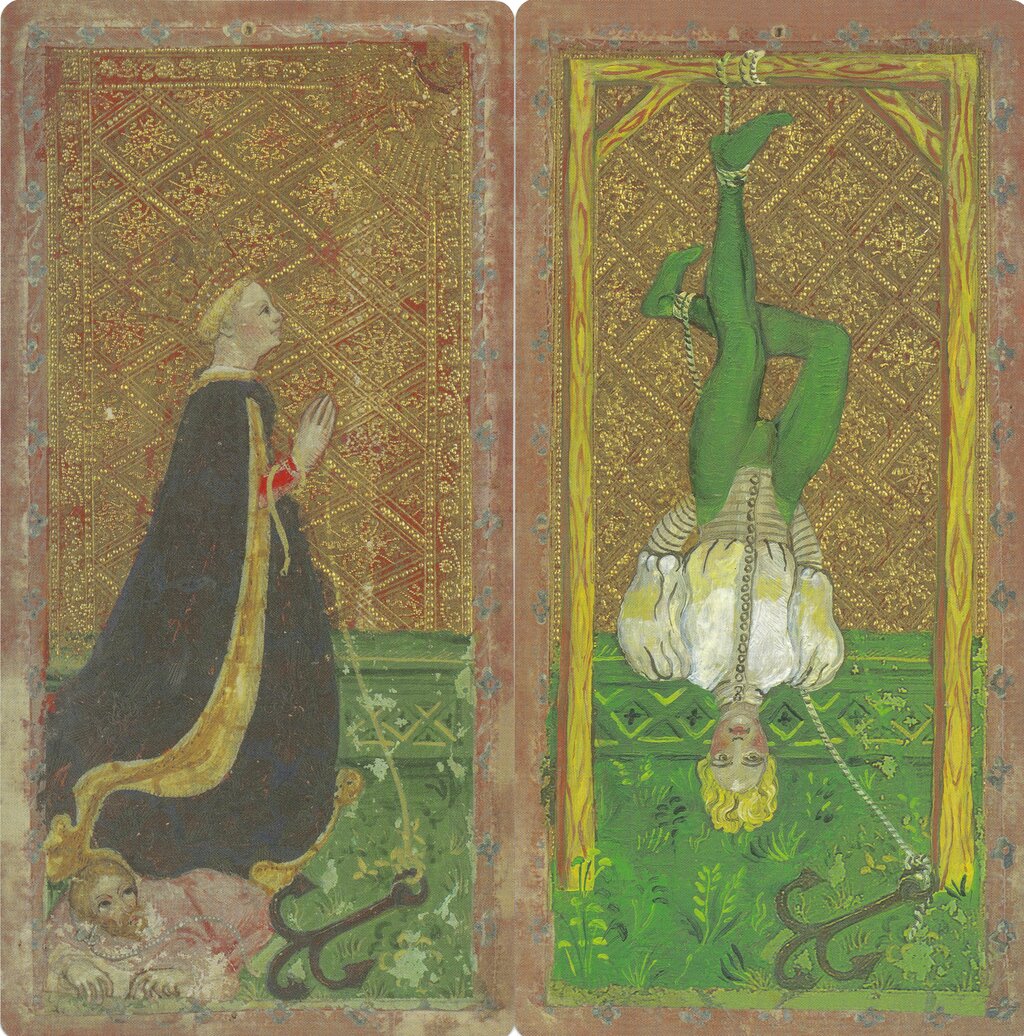
This game spread through Europe, with different regions adapting the deck and rules. For centuries, that's all it was: a popular pastime for the nobility. The idea of using tarot for divination or fortune-telling didn't emerge until much later, around the 18th century. It was then that occultists in France began to connect the cards' imagery with ancient Egyptian wisdom and mystical philosophies, reinterpreting them as a key to esoteric knowledge.
The Structure of a Deck
A standard tarot deck consists of 78 cards, split into two distinct parts: the Major Arcana and the Minor Arcana. Understanding this structure is the first step to reading the cards.
Arcana
noun
From the Latin word arcanus, meaning "secret" or "mystery." The cards are seen as holding keys to life's mysteries.
The Major Arcana consists of 22 cards, each without a suit. These cards represent significant life events, spiritual lessons, and major archetypal themes on the human journey. Think of them as the big chapters in a story. They point to pivotal moments and profound shifts in life.
The Minor Arcana is made up of the remaining 56 cards. This section is more like a standard deck of playing cards. It's divided into four suits: Wands, Cups, Swords, and Pentacles. Each suit contains 14 cards – ten numbered cards (Ace through 10) and four Court Cards (Page, Knight, Queen, and King). These cards reflect the day-to-day situations, challenges, and people we encounter.
A Tapestry of Symbols
The imagery on tarot cards is a rich blend of different cultural and religious influences. As the cards evolved, artists and thinkers layered them with symbolism from various traditions.
You'll find elements from Greek and Roman mythology, Christian iconography, astrology, and Qabalah woven into the illustrations. For example, the Justice card often echoes images of the Greek goddess Themis, while The Tower card can be seen as a reference to the biblical Tower of Babel.
This layering of meaning is what makes the tarot so versatile. The cards aren't tied to a single belief system; they speak a universal language of symbols.
Over time, this symbolic depth transformed the cards from a simple game into a powerful tool for introspection. Rather than predicting a fixed future, modern tarot reading focuses on exploring possibilities and gaining personal insight. It's a way to have a conversation with yourself, using the cards as prompts to unlock your own intuition.
The practice of tarot reading involves interpreting the symbolism and imagery of the cards to provide insights into a person’s past, present, and future.
Now that you understand the origins and structure of the deck, let's review the key terms we've covered.
Ready to check your understanding?
What was the original purpose of Tarot cards in 15th-century Italy?
A standard 78-card Tarot deck is divided into which two main sections?
With this foundation, you're ready to start exploring what the cards themselves have to say.