Introduction to Tarot
Origins of Tarot
The First Playing Cards
Before there was Tarot, there were simply playing cards. They arrived in Europe in the late 14th century, likely brought from the Mamluk Sultanate in Egypt. These early decks had four suits: cups, coins, swords, and polo sticks—which Europeans adapted into batons or clubs. For decades, these cards were used for a variety of trick-taking games, enjoyed by the wealthy who could afford hand-painted decks.
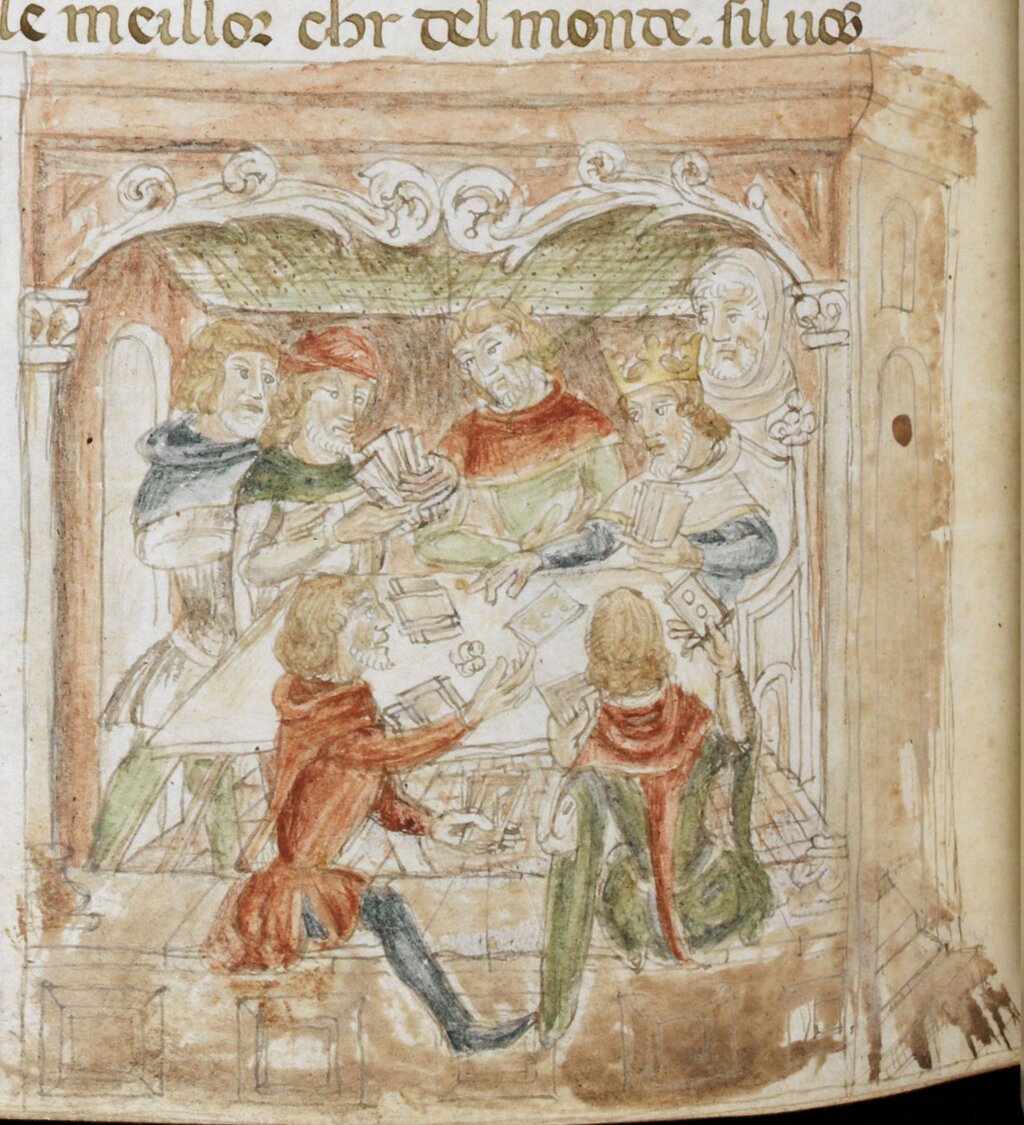
These games were a popular pastime, but the cards themselves were straightforward. They had number cards and court cards, much like a standard deck today, but they were missing a key element that would later define Tarot.
A New Kind of Deck
In 15th-century Italy, a new twist on card games emerged among the nobility. Artists were commissioned to create an extra set of cards for the standard deck. These were not part of any suit but were a series of beautifully illustrated allegorical cards. They were called trionfi, or triumphs, and they served as a permanent trump suit, outranking all the other cards.
This addition of a fifth suit of trump cards is what created the first Tarot deck.
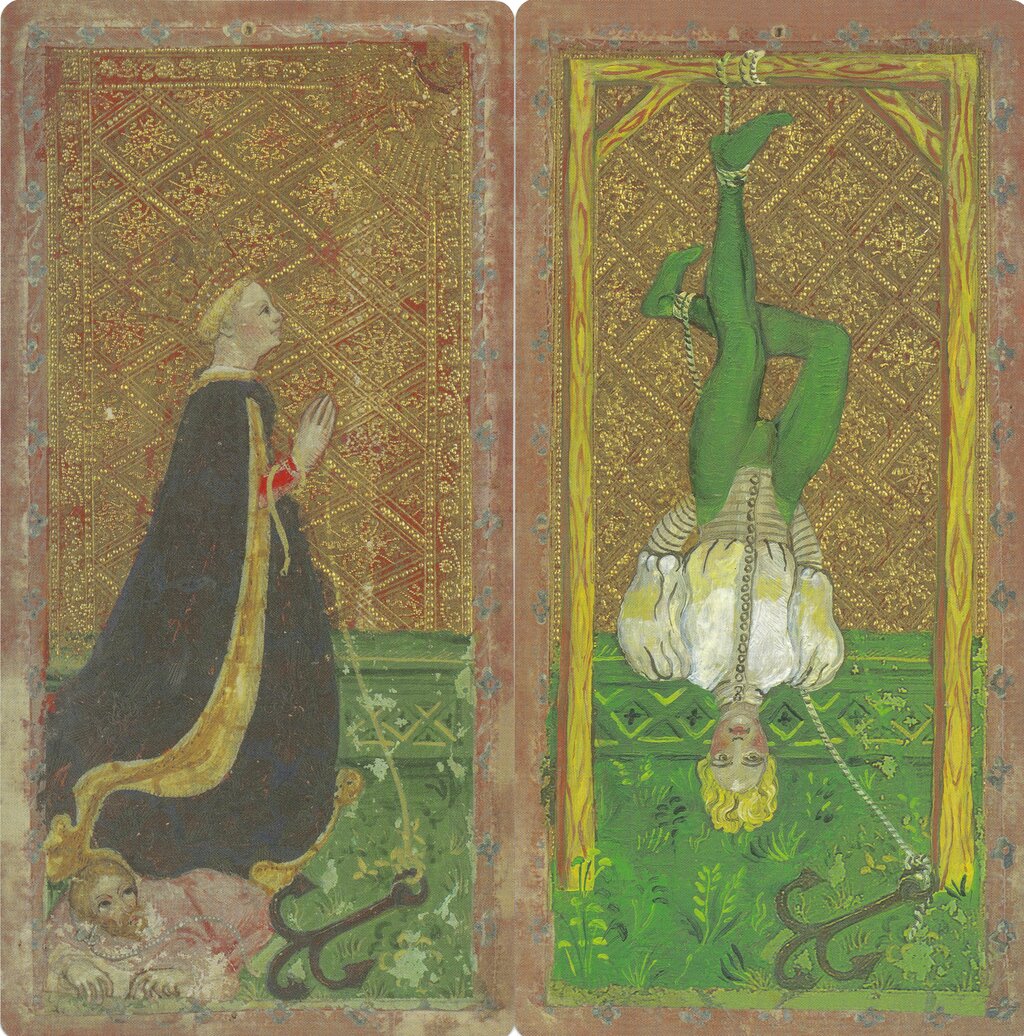
Some of the earliest and most complete surviving decks were commissioned by the Visconti and Sforza families, rulers of Milan. These lavish, hand-painted cards weren't just for playing a game called tarocchi. They were works of art, depicting figures and scenes that reflected the philosophical and cultural ideas of the Italian Renaissance.
From Game to Symbol
For centuries, Tarot remained a game. The idea of using the cards for divination didn't become widespread until much later, in the 18th and 19th centuries. However, the seeds of this later use were planted in their very design. The trionfi cards were never just game pieces; they were packed with symbolic meaning from the start.
The images on these trump cards—like the Pope, the Emperor, Death, and the Wheel of Fortune—represented the major forces of life, from the sacred to the mundane. They told a story of the human journey. While the original players were likely focused on winning tricks, they were also interacting with a rich tapestry of allegorical art. This inherent symbolism made the cards a fertile ground for later mystical and divinatory interpretations.
We will begin with the origins of Tarot in Renaissance Italy, tracing its evolution from a card game for nobility to a tool for spiritual insight.
The transition was slow and informal. The allegorical nature of the cards invited people to see them as more than a game. They were a visual language that could reflect life's complexities, long before they were formally adopted as a tool for telling fortunes.