Introduction to Taoism
Introduction to Taoism
The Way of Nature
Alongside Confucianism, another major stream of thought emerged in ancient China: Taoism. While Confucianism focuses on social order and human relationships, Taoism turns its gaze toward the natural world and our place within it. It's both a philosophy and a religion that has shaped Chinese culture for more than two millennia.
The central concept is the Tao, which literally means "the Way." It's not a god or a person, but the natural, unfolding order of the universe. The goal for a Taoist is to live in harmony with this cosmic flow, rather than struggling against it. This idea is about recognizing and aligning with the underlying patterns of the world.
Tao
noun
The fundamental principle or natural order of the universe that guides all things. It is often translated as "the Way" or "the Path."
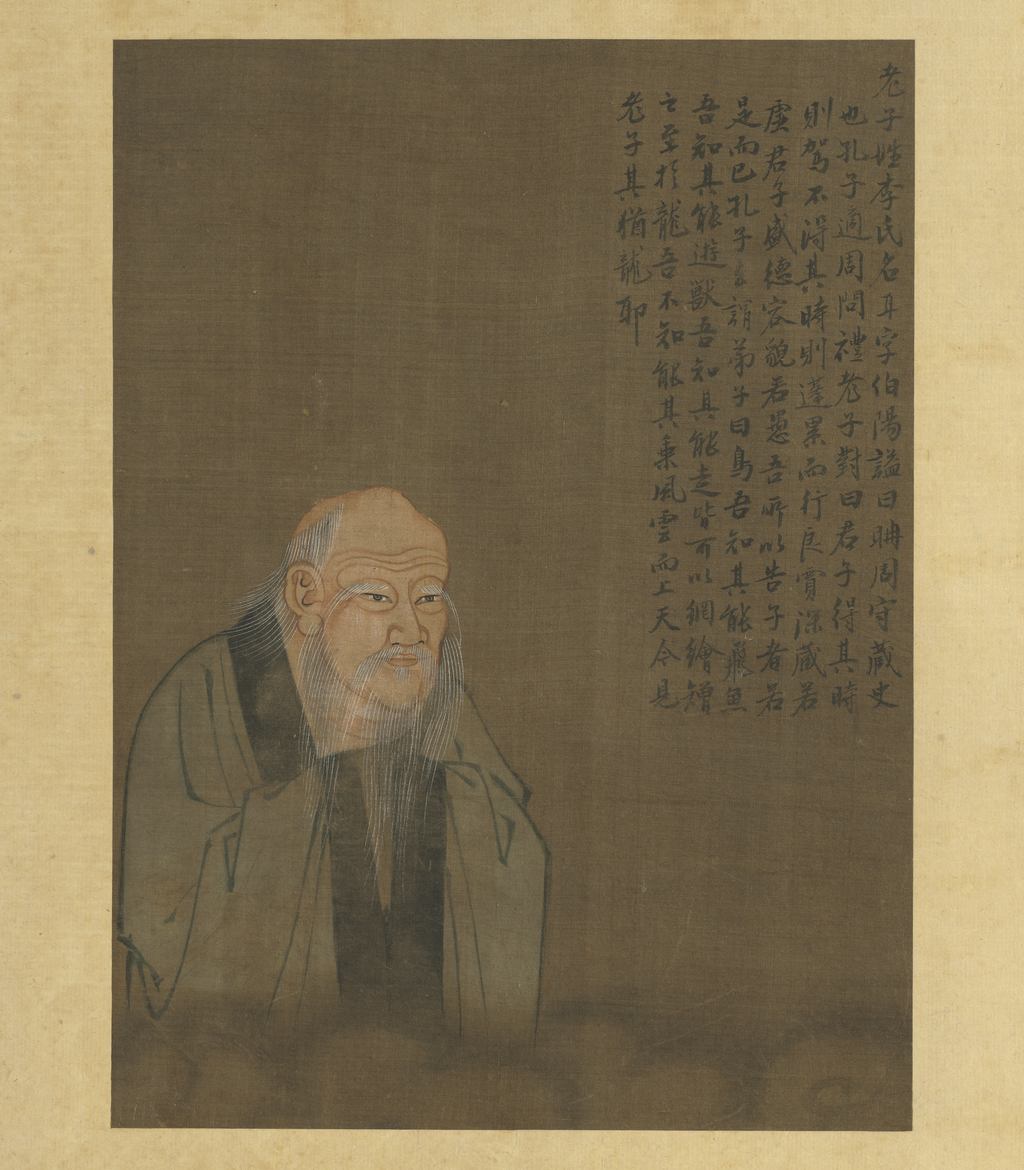
Tradition credits the origins of Taoism to a figure named Laozi (Lao Tzu), who is said to have lived in the 6th century BCE, around the same time as Confucius. He is considered the author of Taoism's most important text.
Foundational Texts
Two books form the core of Taoist philosophy. The first and most famous is the Tao Te Ching (The Book of the Way and Its Virtue). Attributed to Laozi, it's a short collection of poetic and often paradoxical verses that outline the nature of the Tao and how to live in accordance with it.
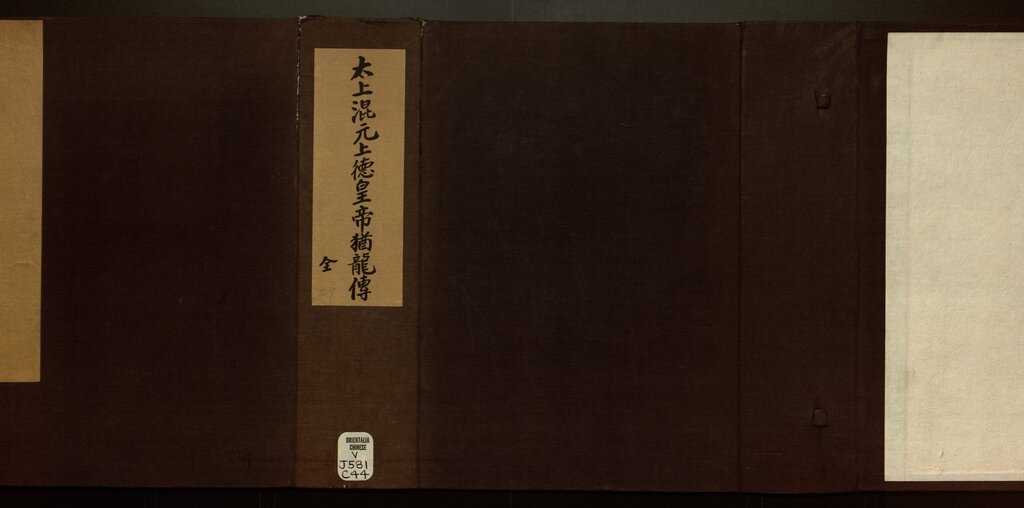
The second key text is the Zhuangzi. Written a few centuries after the Tao Te Ching, this book is less a guide and more a collection of fables, parables, and humorous anecdotes. It uses stories to question conventional wisdom and encourage a more flexible, spontaneous way of thinking.
Both texts emphasize the concept of wu wei, often translated as "non-action" or "effortless action." It doesn't mean being lazy. It means acting in a way that is natural and spontaneous, like water flowing around a rock, without excessive effort or resistance.
Influence on Culture
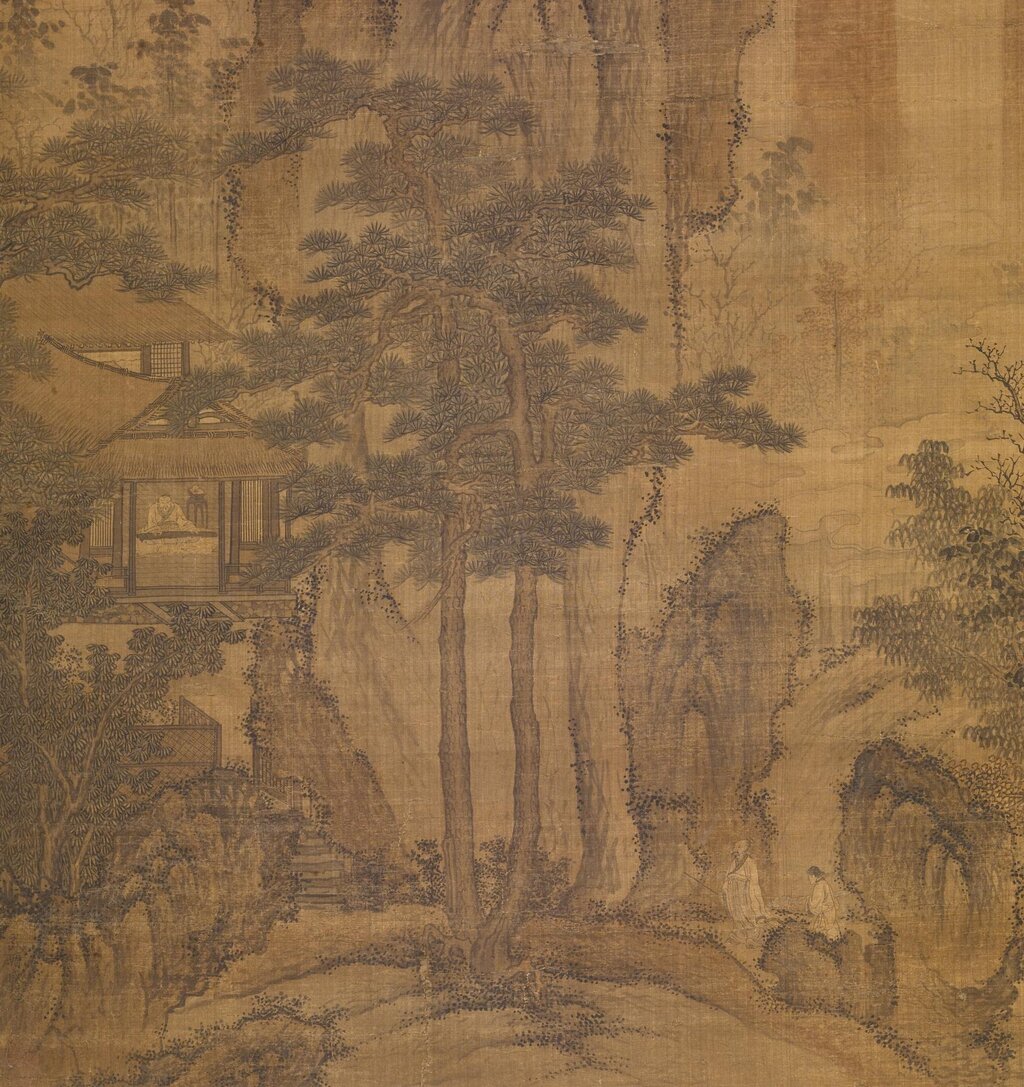
Taoism's emphasis on nature and harmony has had a profound impact on Chinese culture. Chinese landscape painting, for example, is deeply rooted in Taoist ideas. The paintings often show tiny human figures amidst vast, majestic mountains and rivers, suggesting humanity's small but harmonious place in the cosmos.
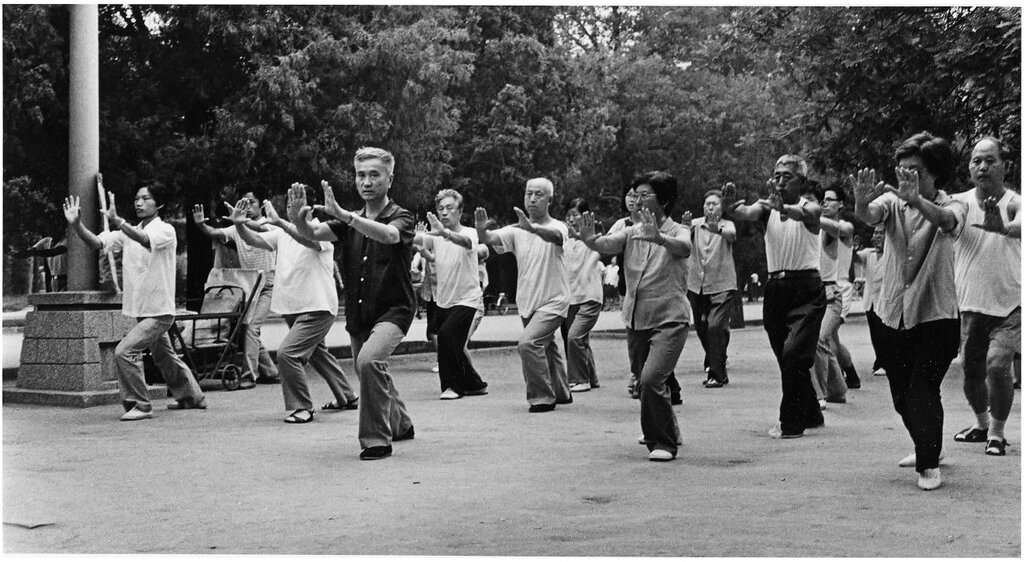
Taoist principles also form the foundation of many practices, from Traditional Chinese Medicine, which seeks to balance the body's energies (like qi), to martial arts like Tai Chi, which combines gentle, flowing movements with mindfulness to cultivate inner peace and strength.
Taoism vs Confucianism
While Taoism and Confucianism both seek a good life, they propose very different paths. Confucianism is concerned with creating a structured, ethical society through rules, rituals, and defined social roles. It emphasizes duty, filial piety, and public service.
Taoism, in contrast, is skeptical of rigid rules and social conventions. It encourages people to withdraw from the complexities of society and instead connect with the simple, natural flow of the Tao. Where a Confucianist might seek to reform the government, a Taoist might prefer to go fishing.
| Feature | Confucianism | Taoism |
|---|---|---|
| Focus | Social order, ethics, human relationships | Natural order, harmony with the Tao, spontaneity |
| Ideal Person | The junzi (gentleman), a cultivated, moral person | The sage, who lives simply and in accord with nature |
| Path to Harmony | Fulfilling social duties, education, ritual | Wu wei (effortless action), simplicity, detachment |
| View of Government | Essential for maintaining order and morality | Best when it governs least and interferes minimally |
Many in China didn't see these two philosophies as mutually exclusive. It was common to be a Confucian in public life, fulfilling one's social duties, and a Taoist in private life, seeking personal harmony with nature.
Ready to check your understanding?
What is the central concept of the "Tao" in Taoism?
Who is traditionally credited with authoring the foundational Taoist text, the Tao Te Ching?
By emphasizing a different dimension of life, Taoism provided a crucial counterbalance to the social focus of Confucianism, creating a rich and complex philosophical landscape in ancient China.