Introduction to Tai Chi for Adults
Introduction to Tai Chi
What is Tai Chi?
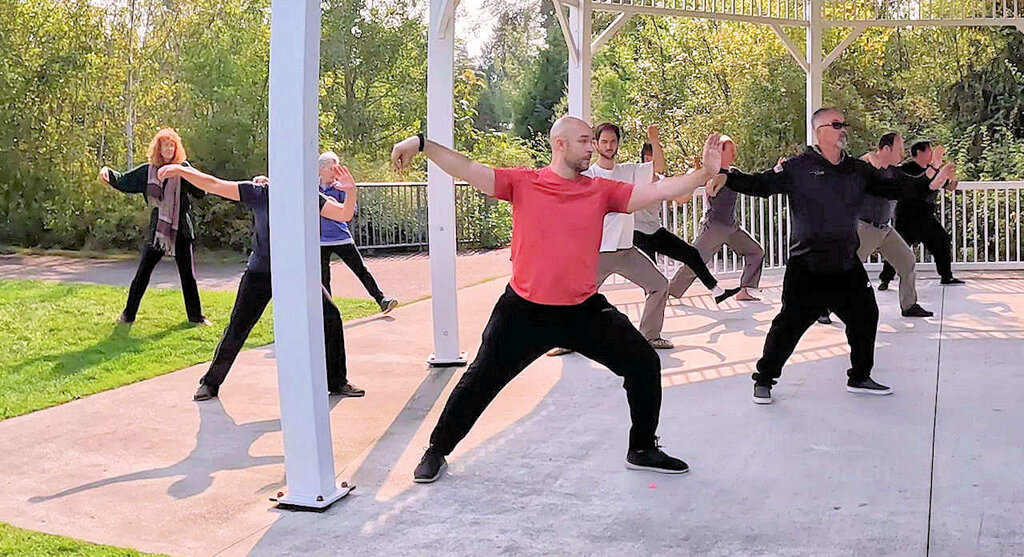
At its heart, Tai Chi is often called “meditation in motion.” It’s an ancient Chinese practice that combines slow, deliberate movements, deep breathing, and mental focus. While it originated as a martial art, today it’s primarily practiced for its profound health benefits and as a way to cultivate a calm and peaceful mind.
Imagine a series of gentle, flowing postures that seamlessly connect, one after the other. It looks like a slow-motion dance, but each movement is precise and purposeful. The goal isn't to build muscle or break a sweat, but to harmonize the body and mind, improve balance, and circulate your body's natural energy.
A Brief History
The exact origins of Tai Chi are debated, woven with a mix of legend and fact. One popular story credits a Taoist monk named Zhang Sanfeng, who is said to have created the art after watching a crane and a snake fight. He was inspired by how the snake yielded and dodged the crane's attacks, using softness to overcome brute force. This principle of yielding became a cornerstone of Tai Chi.
However, most historical records point to Chen Wangting, a 17th-century general from the Chen village in China, as the founder of the first formal style of Tai Chi. He combined his knowledge of martial arts with traditional Chinese medicine and philosophy to create a unique practice. This became the Chen style, from which all other major styles of Tai Chi later developed.
Supreme Ultimate Fist
This name reflects its roots as a sophisticated martial art, grounded in deep philosophical principles.
The Philosophy Behind the Movements
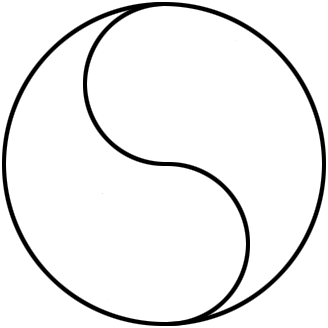
Tai Chi is deeply connected to Taoist philosophy, particularly the concept of yin and yang. This is the idea that everything in the universe consists of two opposing but complementary forces. Think of light and dark, soft and hard, or stillness and motion. In Tai Chi, these forces are constantly at play as you shift your weight, alternate between movements, and balance activity with rest.
Another core concept is Qi (pronounced “chee”), which translates to “life energy.” In traditional Chinese thought, Qi is the vital energy that flows through the body. The slow, mindful movements of Tai Chi are designed to unblock and encourage the smooth flow of Qi, promoting health and vitality.
The practice is a physical representation of a larger philosophy: find balance in all things, and harmony will follow.
More Than Just Slow Motion
The gentle nature of Tai Chi makes it accessible to almost everyone, regardless of age or fitness level. Yet its benefits are powerful and wide-ranging. Regular practice is well-known for improving balance, which is crucial for preventing falls, especially as we age. It also enhances flexibility, strengthens muscles, and can help reduce stiffness and pain.
The benefits of doing tai chi for seniors are numerous, including improved balance, strength, flexibility, and mental clarity, all of which are crucial for maintaining autonomy and preventing falls.
Mentally, the focus required to perform the movements can quiet a racing mind, reduce stress, and improve concentration. It's a workout for the mind as much as it is for the body.
Over the centuries, several distinct styles of Tai Chi have emerged, each with its own emphasis. While they all share the same fundamental principles, their forms and movements have different characteristics.
- Chen Style: The original style, known for its alternating slow and fast movements, including explosive bursts of power.
- Yang Style: The most popular and widely practiced style today. It features large, graceful movements and an even, slow tempo.
- Wu Style: Characterized by smaller, more compact movements and a slight forward lean in its postures.
- Sun Style: The youngest of the major styles, it incorporates movements from other martial arts and is known for its lively steps and high stances.
| Style | Founder Family | Key Feature |
|---|---|---|
| Chen | Chen | Alternates between slow and explosive moves. |
| Yang | Yang | Large, graceful, and evenly paced movements. |
| Wu | Wu | Smaller, compact movements with a forward lean. |
| Sun | Sun | Lively steps and higher stances. |
Choosing a style often comes down to personal preference and physical ability. But no matter the style, the core goals of balance, harmony, and well-being remain the same.
Ready to check your understanding?
According to historical records, who is generally credited with developing the first formal style of Tai Chi?
The fundamental philosophical concept of yin and yang in Tai Chi represents the idea of two opposing but complementary forces.
This introduction has covered the essential background of Tai Chi. You now have a foundation in its history, philosophy, and benefits, preparing you to explore the practice itself.