Introduction to Tai Chi
Introduction to Tai Chi
What is Tai Chi?
Tai Chi, often described as “meditation in motion,” is an ancient Chinese practice that combines gentle, flowing movements with deep breathing and mental focus. While its roots are in the martial arts, today it’s primarily practiced for its profound health benefits. Imagine a slow, graceful dance where each posture melts seamlessly into the next. That’s the essence of Tai Chi.
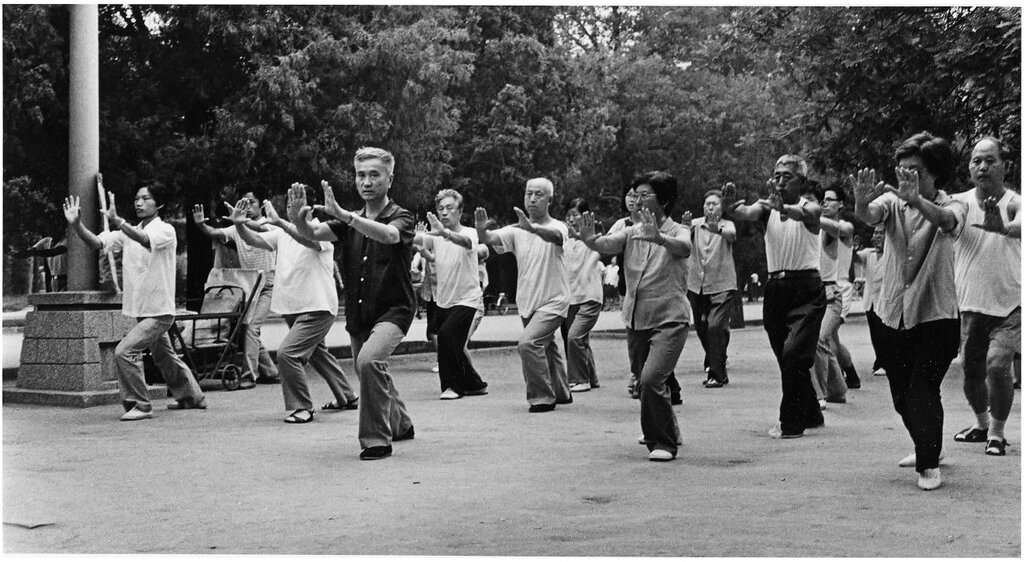
The practice involves a series of choreographed movements called a “form.” These forms are performed slowly and deliberately, requiring concentration and a deep awareness of your own body. Unlike high-impact exercises, Tai Chi is low-impact and puts minimal stress on muscles and joints, making it suitable for people of all ages and fitness levels.
Tai Chi, also called Shadow Boxing, is a traditional Chinese martial art and mind-body practice characterized by slow, deliberate movements, rhythmic breathing, and mindfulness to promote physical health, mental relaxation, and spiritual well-being.
A Walk Through History
The exact origins of Tai Chi are shrouded in legend. One popular story credits its creation to a Daoist monk named Zhang Sanfeng around the 12th century. It’s said he was inspired by watching a crane and a snake fight, observing how the snake's fluid, yielding movements overcame the crane's aggressive attacks. This tale captures the art's core philosophy of softness overcoming hardness.
More verifiable history points to the Chen village in China during the 17th century. The Chen family developed a unique martial art that combined traditional fighting techniques with Daoist principles of internal energy and the philosophy of yin and yang. For generations, this art was a closely guarded secret, passed down only within the family.
In the 19th century, a man named Yang Luchan became the first outsider to learn the Chen family's art. He later adapted it, removing some of the more explosive, athletic movements to create a gentler form. This new “Yang style” was easier for the general public to learn and practice, and it quickly spread throughout China, emphasizing health and well-being over combat.
The Philosophy of Flow
Tai Chi is more than just physical exercise; it's a practice deeply rooted in Chinese philosophy. The name itself, Taijiquan, translates to “grand ultimate fist,” connecting it to the Daoist concept of Taiji.
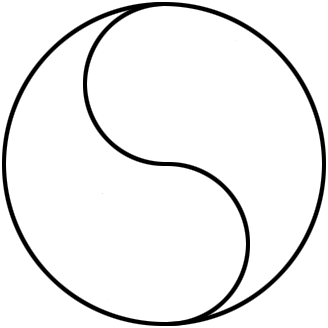
At its heart is the principle of yin and yang, the idea that everything in the universe consists of two opposing but complementary forces. In Tai Chi, this manifests as the constant interplay between concepts like soft and hard, empty and full, advancing and retreating. As you shift your weight from one leg to the other, one becomes “full” (Yang) while the other becomes “empty” (Yin). This continuous, balanced flow is central to the practice.
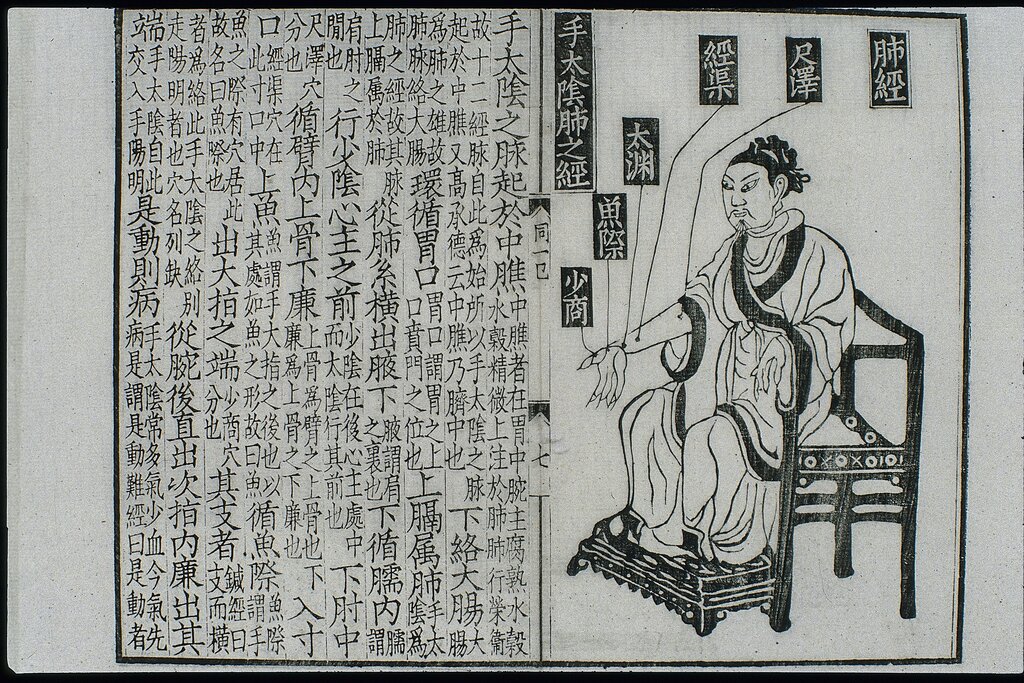
Another key concept is Qi (pronounced “chee”), which is understood as the vital life force or energy that flows through the body. The slow, mindful movements of Tai Chi are designed to cultivate and circulate Qi, removing blockages and promoting health and vitality.
A Family of Styles
Over time, different masters emphasized various aspects of the art, leading to the development of several distinct styles. While they all share the same underlying principles, their forms and movements have unique characteristics. The five most prominent family styles are:
| Style | Key Characteristic |
|---|---|
| Chen | The oldest style, alternating between slow, soft movements and fast, explosive ones. |
| Yang | The most popular style, known for its slow, even pace and large, graceful movements. |
| Wu | Features smaller, more compact movements with a distinct forward lean. |
| Hao | A less common style focused on small, internal movements and precise energy control. |
| Sun | The youngest style, combining elements from other martial arts with lively, agile footwork. |
For beginners, the Yang style is often recommended due to its gentle nature and focus on foundational principles.
More Than Just Movement
The slow, deliberate nature of Tai Chi is what makes it so powerful. It's a holistic practice that benefits the body and mind in tandem. Regular practice can lead to significant improvements in physical and mental health.
Physically, studies have shown that Tai Chi can improve balance, which is crucial for preventing falls, especially in older adults. It also enhances flexibility, strengthens muscles, and can help lower blood pressure.
Mentally, the focus required to perform the movements calms the mind, reduces stress, and improves concentration. It quiets the mental chatter of daily life, creating a state of relaxed awareness. This integration of mind and body is what makes Tai Chi a truly unique and powerful practice for lifelong wellness.
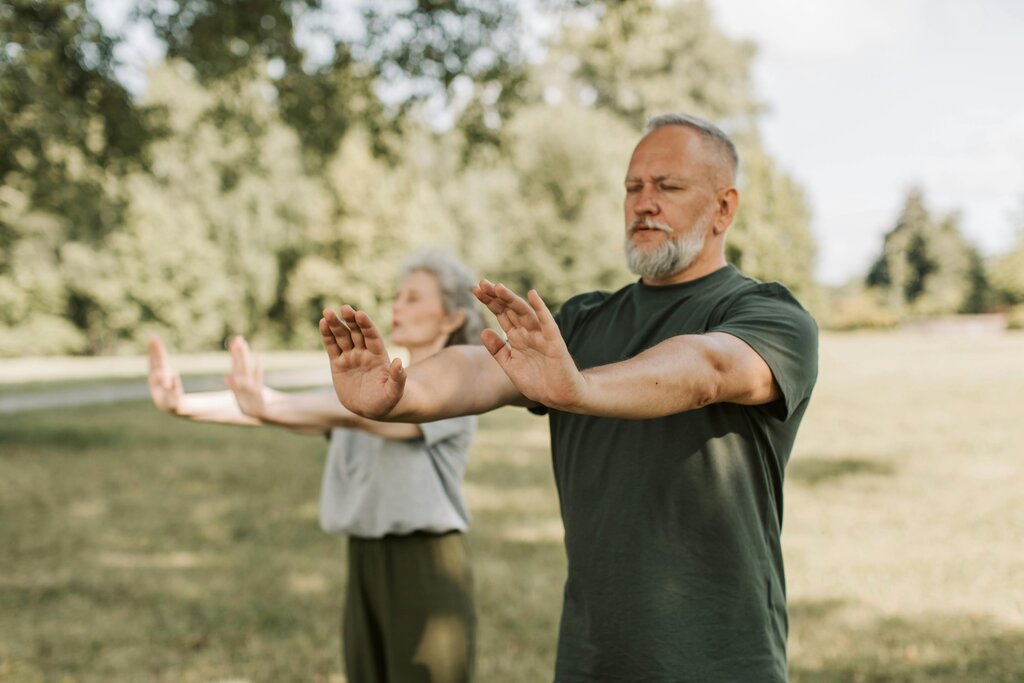
Now, let's test your understanding of these foundational concepts.