Introduction to Table Tennis
Introduction to Table Tennis
From After-Dinner Game to Olympic Sport
Table tennis began in the late 19th century as an indoor parlor game, a way for wealthy Victorians to play a miniature version of lawn tennis after dinner. Lacking specialized equipment, they used rows of books as a net, a champagne cork for a ball, and cigar box lids as paddles.
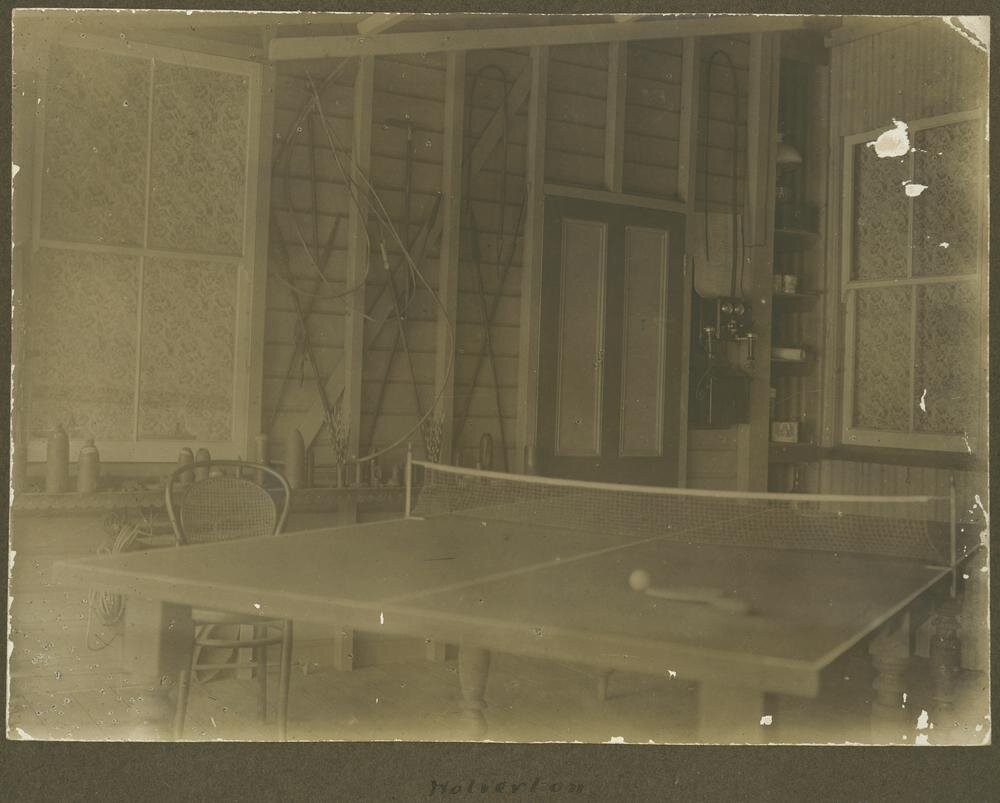
The game’s popular onomatopoeic name, “Ping-Pong,” was coined by the English firm J. Jaques & Son in 1901, inspired by the sound of the celluloid ball hitting the paddle and table. They trademarked the name, so other manufacturers had to call it table tennis. Eventually, this became the official name of the sport.
From these humble beginnings, the game grew. The International Table Tennis Federation (ITTF) was formed in 1926, and the first official World Championships were held that same year. It wasn't until 1988 that table tennis made its debut as an Olympic sport, solidifying its place on the world stage.
The Tools of the Trade
You don't need much to play table tennis, but each piece of equipment has a specific role.
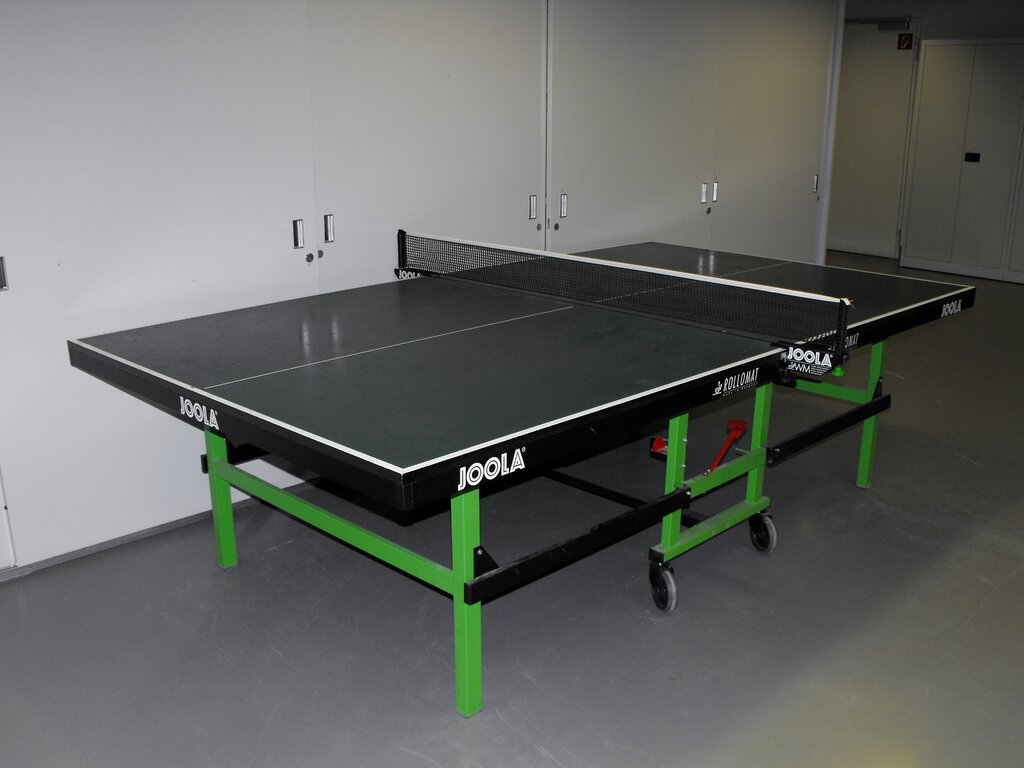
The Table: A regulation table is 2.74 meters (9 feet) long, 1.525 meters (5 feet) wide, and stands 76 cm (30 inches) high. A net, 15.25 cm (6 inches) high, divides the table into two equal courts. A white line down the middle of the table, called the center line, is only used for doubles serves.
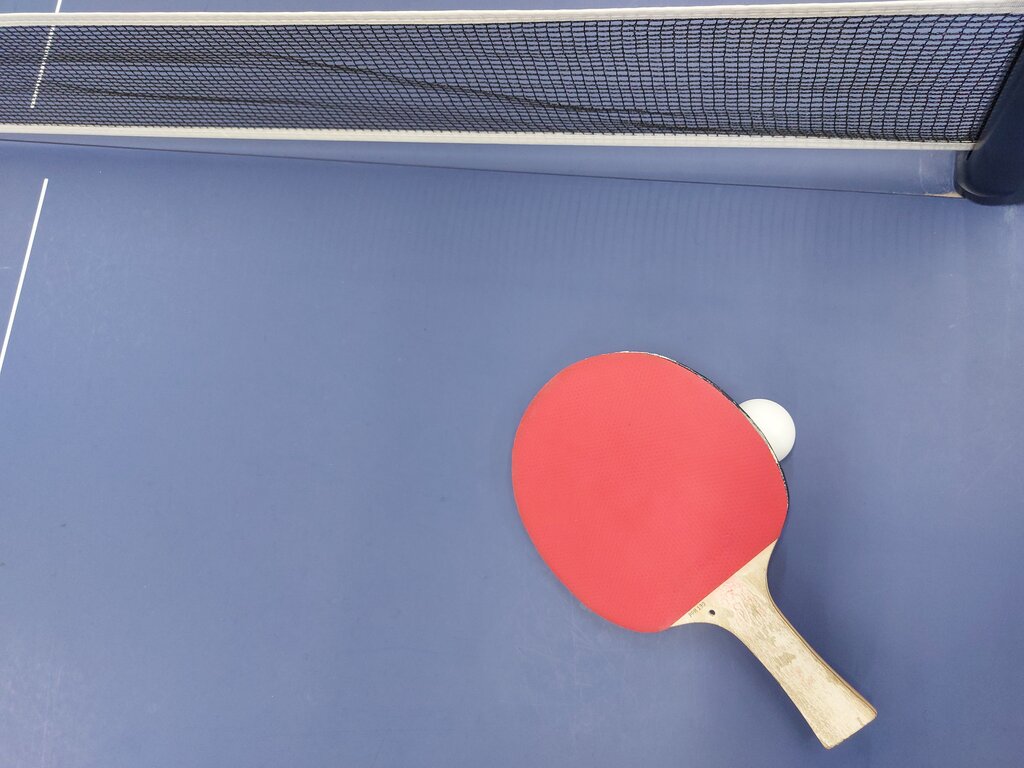
The Ball: Modern balls are made of plastic and are 40mm in diameter. They are incredibly light, which allows for the high speeds and dizzying spins that define the sport.
The Racket: Also called a paddle, the racket consists of a wooden blade covered with rubber on one or both sides. The rubber surfaces provide grip on the ball, allowing players to generate spin. By rule, one side must be red and the other black, which helps opponents see which type of spin might be coming their way.
How to Play
The goal is simple: hit the ball over the net so that your opponent can't legally return it. While the strategies can become complex, the basic rules of play and scoring are straightforward.
Starting a Point: A point begins with a serve. The server must toss the ball up at least 16 cm (about 6 inches) from an open palm and strike it so it first bounces on their own side of the table, clears the net, and then bounces on the opponent's side.
Keeping it Going: After the serve, players engage in a rally. During a rally, you must hit the ball after it has bounced once on your side of the table. Your return must go over the net and bounce on your opponent's side. The point continues until one player fails to make a legal return.
A key difference: in a serve, the ball must bounce on your side first. In a rally, it must not.
Scoring: You win a point if your opponent fails to make a legal return. This can happen in several ways.
| You Win a Point If Your Opponent... |
|---|
| Fails to hit the ball after it has bounced on their side. |
| Hits the ball into the net. |
| Hits the ball off the table without it bouncing on your side first. |
| Lets the ball bounce more than once on their side before hitting it. |
| Makes an illegal serve. |
A game is played to 11 points, but you must win by at least two. If the score reaches 10-10, play continues until one player has a two-point lead. Each player serves for two consecutive points, alternating until the end of the game or until a 10-10 tie, at which point serves alternate every point. A match is typically the best of three, five, or seven games.
What did the earliest players of table tennis use for a net?
True or False: According to official rules, a table tennis racket must have one red side and one black side.
That's the foundation of table tennis. From its simple start as a parlor game, it has grown into a fast-paced, highly skilled sport played and enjoyed by millions.