Introduction to Systems Thinking
Introduction to Systems
What is a System?
Think about a bicycle. It has wheels, a frame, pedals, and a chain. On their own, these are just parts. A single wheel won't get you anywhere. But when you connect them in the right way, they become a system for transportation. The parts interact to create something with a purpose that none of them could achieve alone.
That’s the core idea of a system: a set of interacting components that form an integrated whole. The key words are interacting and whole. The relationships between the parts are just as important as the parts themselves.
A system is defined as an interdependent group of components working together as a whole to accomplish a goal.
This concept applies to almost everything. Your body is a system of organs. A company is a system of people and processes. An ecosystem is a system of living organisms and their environment. By looking for the systems around us, we can start to understand how things really work.
The Anatomy of a System
While systems can be wildly different, they share some basic characteristics. Understanding these building blocks helps us identify and analyze any system we encounter.
First, every system has a boundary. This is what separates the system from its environment. For a car engine, the boundary is the metal casing that contains all its moving parts. For a company, the boundary might be its list of employees and owned assets.
Systems also have inputs and outputs. They take something from their environment, do something with it, and produce a result. A car engine takes in fuel and air (inputs) and produces mechanical power, heat, and exhaust (outputs).
Finally, many systems use feedback. Feedback is information about the output that is looped back to influence the system's operation. A simple example is a thermostat. When the room temperature (output) rises above a set point, the thermostat sends a signal (feedback) to turn the furnace off. This keeps the system stable.
Systems Are Everywhere
Once you start looking, you'll see systems in every field and corner of life. They can be natural, mechanical, or social.
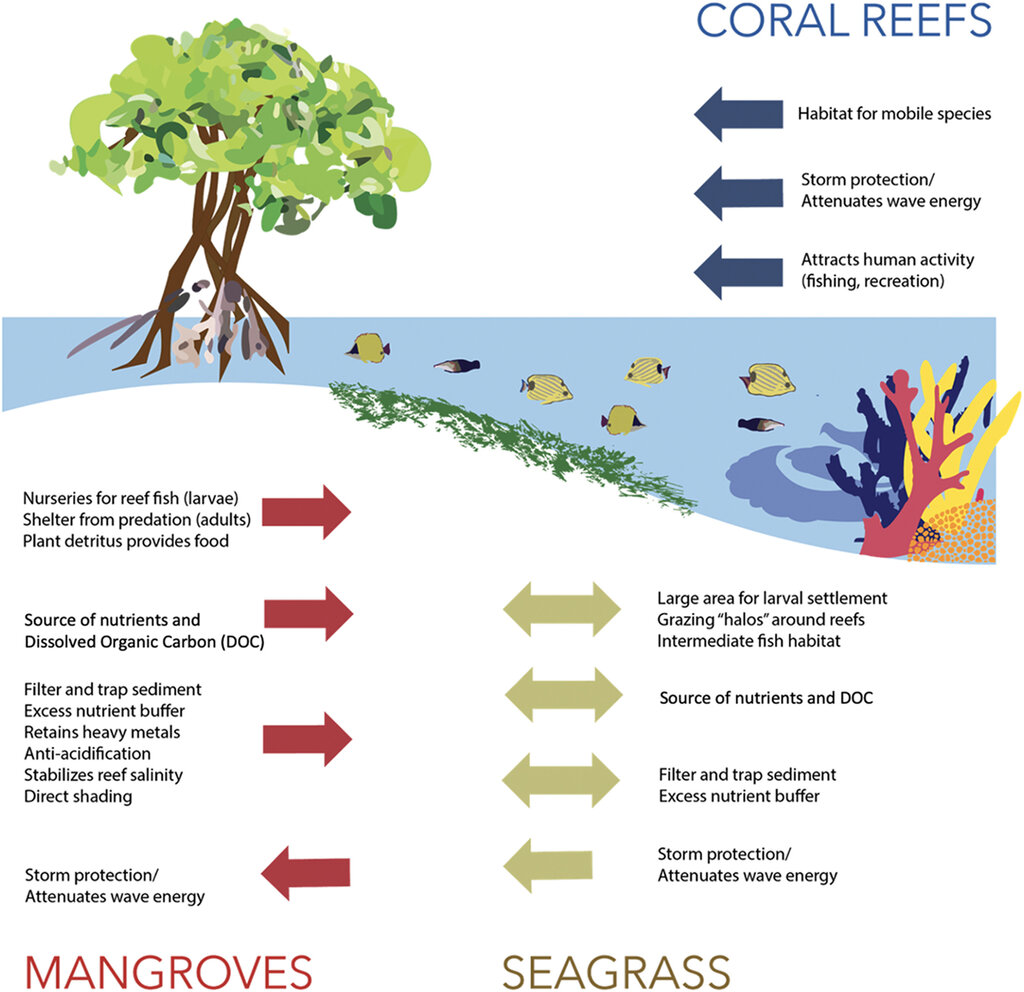
Biological Systems: An ecosystem, like a forest, is a perfect example. The inputs are sunlight, water, and nutrients. The system's components—trees, animals, insects, and soil bacteria—all interact. The outputs are things like oxygen, timber, and clean water. Feedback occurs when a large deer population (component) eats too many young trees, affecting the forest's future growth.
Mechanical Systems: A car's braking system is a more contained example. The input is the driver pressing the pedal. The components include the pedal, brake fluid, hoses, and brake pads. These parts interact to create friction on the wheels. The output is the car slowing down. Feedback is the feeling of deceleration the driver senses, which helps them adjust the pressure on the pedal.
Social Systems: A hospital is a complex social system. The inputs are patients, medical supplies, and information. The components are doctors, nurses, administrators, and equipment. They interact through established procedures to provide healthcare. The outputs are treated patients and medical records. Feedback comes from patient outcomes and satisfaction surveys, which can lead to changes in hospital procedures.
Each of these examples shows a group of interdependent parts working together as a whole. Thinking in terms of systems helps us move beyond looking at isolated events and instead see the larger patterns and relationships that shape our world.
What is the most fundamental characteristic of a system?
A thermostat in a house senses the room is too cold and signals the furnace to turn on. This is an example of which system concept?