Introduction to Swedish Language
Swedish Alphabet and Pronunciation
The Swedish Alphabet
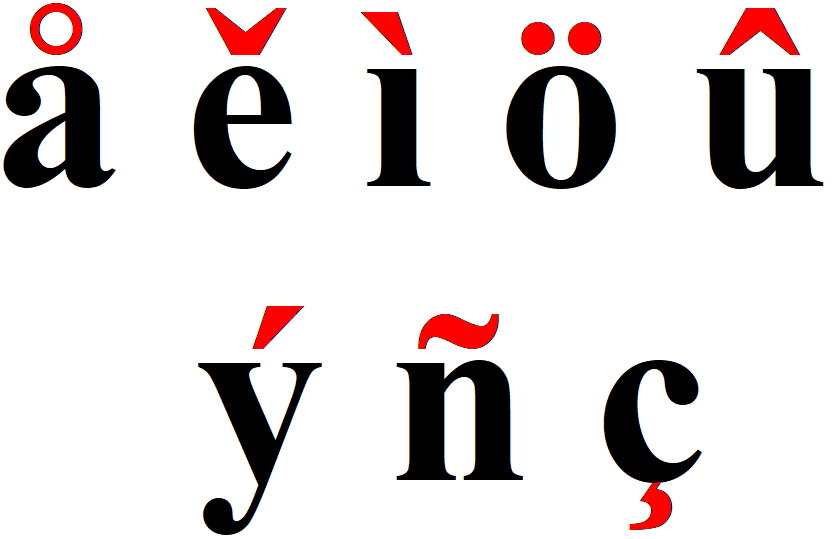
The Swedish alphabet has 29 letters. It's the same Latin alphabet used for English, but with three extra characters at the end: Å, Ä, and Ö. These letters aren't just A and O with dots; they are distinct letters with their own sounds.
Here is the full alphabet:
A, B, C, D, E, F, G, H, I, J, K, L, M, N, O, P, Q, R, S, T, U, V, W, X, Y, Z, Å, Ä, Ö
The Special Vowels
Let's focus on the three unique Swedish vowels. Getting these right is a big step toward sounding authentic.
Å (å) sounds like the 'o' in the English word "or" or "awe."
boat
Ä (ä) often sounds like the 'e' in "get."
is
Ö (ö) is similar to the 'i' in "bird" or the 'u' in "fur." To make this sound, shape your lips as if you're saying "oo," but try to say "ee" instead.
beer
Vowels and Consonants
Swedish has a total of nine vowels: A, E, I, O, U, Y, Å, Ä, Ö. They are divided into two groups that have a huge impact on pronunciation: hard vowels and soft vowels.
Hard Vowels: A, O, U, Å Soft Vowels: E, I, Y, Ä, Ö
Why does this matter? The type of vowel that follows the consonants G, K, or SK changes how that consonant is pronounced. This is one of the most important rules in Swedish pronunciation.
| Consonant | Followed by a Hard Vowel (A, O, U, Å) | Followed by a Soft Vowel (E, I, Y, Ä, Ö) |
|---|---|---|
| G | Hard 'g' sound (like in goat) | Soft 'y' sound (like in yes) |
| K | Hard 'k' sound (like in kite) | Soft 'sh' sound (like in she) |
| Sk | 'sk' sound (like in skate) | 'sh' sound (like in ship) |
Let's see it in action. Notice the first vowel in each word and how it changes the sound of the consonant before it.
- Gata (street) vs. Göra (to do): Hard 'g' vs. soft 'y' sound.
- Karta (map) vs. Kär (in love): Hard 'k' vs. soft 'sh' sound.
- Skola (school) vs. Skina (to shine): 'sk' blend vs. 'sh' sound.
Here are a few other consonant sounds to keep in mind:
- The letter J always sounds like the English 'y' in "yes."
- The combination RS is pronounced like an 'sh' sound. The word Norge (Norway) is a good example.
Word Stress and Melody
One of the most distinctive features of Swedish is its musical, sing-song intonation. This is caused by something called pitch accent. While English uses stress (saying one syllable louder), Swedish uses both stress and pitch (a change in tone).
There are two main patterns, often called Accent 1 and Accent 2. You don't need to memorize them right away, but it's helpful to know they exist. Just listening to native speakers will help you get a feel for the rhythm and melody of the language.
Generally, the stress in Swedish words falls on the first syllable, especially in words of Germanic origin.
For example, in the word tala (to speak), the stress is on the first syllable: TA-la. As you learn more vocabulary, you'll start to notice these patterns naturally.
Ready to test what you've learned about the sounds of Swedish?
How many letters are in the Swedish alphabet?
Which three letters are unique to the Swedish alphabet compared to the English alphabet?
Understanding the alphabet and its core sounds is the first major step to mastering Swedish. Keep practicing these fundamentals as you build your vocabulary.