Introduction to Swahili Language
Swahili Alphabet
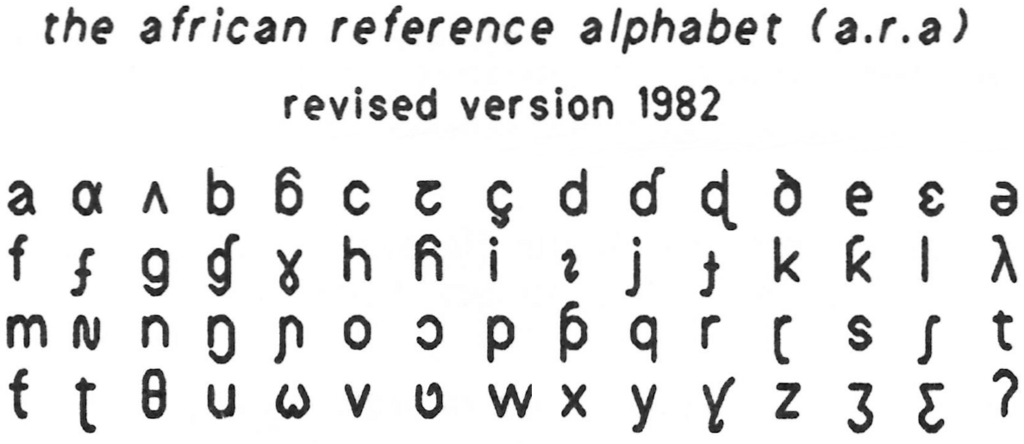
The Swahili Alphabet
Welcome to Swahili! The great news is that its alphabet is very familiar. Swahili uses the same Latin script as English, but with a couple of key differences. It only has 24 letters, leaving out 'q' and 'x'.
The best part? Swahili is almost completely phonetic. This means each letter consistently makes the same sound. Once you learn the sound for each letter, you can pronounce any word you see. Let's break down these sounds.
Vowels Are Key
There are five vowels in Swahili, and their sounds are pure and unchanging. Unlike English, where a vowel can have multiple pronunciations, in Swahili 'a' is always 'a'. Mastering these five sounds is the most important step to speaking clearly.
| Vowel | Pronunciation (like the English...) |
|---|---|
| a | ah in "father" |
| e | eh in "get" |
| i | ee in "see" |
| o | oh in "go" |
| u | oo in "moon" |
Practice saying them aloud: a, e, i, o, u. Get comfortable with these sounds, as they form the building blocks of every Swahili word.
Consonants and Unique Sounds
Most consonants in Swahili sound just like they do in English. A 'b' is a 'b', a 'd' is a 'd', and so on. However, there are a few special combinations to learn.
The letter 'c' doesn't exist on its own in Swahili. It's always part of the 'ch' sound, which is pronounced like the 'ch' in "chair".
Two other important sounds are 'ng'' and 'ny'. These might seem unfamiliar, but they have English equivalents.
ng'
other
This sound is like the end of the English word "song" or "sing". Notice the apostrophe; it's part of the spelling and helps distinguish it from a simple 'n' followed by a 'g'.
cow
The 'ny' sound is similar to the Spanish letter 'ñ' or the sound in the middle of the English word "onion".
star
The Rhythm of Swahili
Every language has its own rhythm, and Swahili's comes from a simple, consistent rule for syllable stress. In almost every word, the stress falls on the second-to-last syllable, also known as the penultimate syllable.
This predictable pattern is a huge help for learners. Once you can spot the second-to-last syllable, you know where to put the emphasis. Let's look at some examples. The stressed syllable is in bold.
| Swahili Word | Syllables | Stressed Pronunciation |
|---|---|---|
| jambo | jam-bo | JAM-bo (hello) |
| asante | a-san-te | a-SAN-te (thank you) |
| habari | ha-ba-ri | ha-BA-ri (news) |
| karibu | ka-ri-bu | ka-RI-bu (welcome) |
Listen for this rhythm when you hear Swahili spoken. It gives the language a smooth, musical flow. Focusing on this stress pattern will make your own pronunciation sound much more natural.
Now, let's test what you've learned about the sounds and rhythm of Swahili.
Which two letters from the Latin alphabet are NOT used in Swahili?
What does it mean that Swahili is an almost completely 'phonetic' language?
With these foundational rules, you are ready to start reading and speaking Swahili words with confidence.