Introduction to Surgery
Introduction to Surgery
What is Surgery?
Surgery is the branch of medicine that uses manual and instrumental techniques to investigate or treat a medical condition. Put simply, it involves physically changing the body's structures to diagnose, prevent, or cure an ailment. When medication or other treatments aren't enough, surgery is often the next step.
A specialist who performs surgery is called a surgeon. This field requires a deep understanding of human anatomy, a steady hand, and the ability to make critical decisions under pressure. Surgery can range from minimally invasive procedures, done with tiny incisions and cameras, to major open operations.

The Goals of Surgery
While most people associate surgery with fixing a problem, its objectives are broader. Surgeons operate with several distinct goals in mind, depending on the patient's situation.
The primary purpose is always to improve the patient's quality of life, whether by curing a disease, reducing pain, or restoring function.
Here are the main objectives:
- Diagnosis: Sometimes, the only way to know exactly what is wrong is to look inside. A biopsy, where a small piece of tissue is removed for examination, is a common diagnostic surgery.
- Treatment: This is the most common goal. It involves correcting a problem, such as removing an inflamed appendix, repairing a broken bone, or taking out a tumor.
- Prevention: Prophylactic surgery aims to prevent a potential problem from developing. An example is removing polyps from the colon before they can turn into cancer.
- Palliation: When a cure isn't possible, surgery can be used to relieve symptoms and improve comfort. For instance, a surgeon might remove part of a tumor that is pressing on a nerve to reduce pain.
Core Surgical Principles
Modern surgery is built on a foundation of principles designed to ensure the best possible outcome for the patient. These rules guide every action a surgeon takes. They were famously summarized by Dr. William Stewart Halsted, a pioneering American surgeon.
Halsted’s Principles of Surgery. These include:Gentle tissue handlingAccurate hemostasisPreservation of adequate blood supplyPrevention of infection via aseptic techniqueNo tension on tissuesCareful approximation of tissuesObliteration of dead space
Let's break down what a few of these mean.
Gentle Tissue Handling: The body's tissues are delicate. Surgeons must handle them with extreme care to minimize trauma, which helps reduce pain and speeds up healing.
Accurate Hemostasis: This is the process of stopping bleeding. Controlling blood loss is critical during any operation.
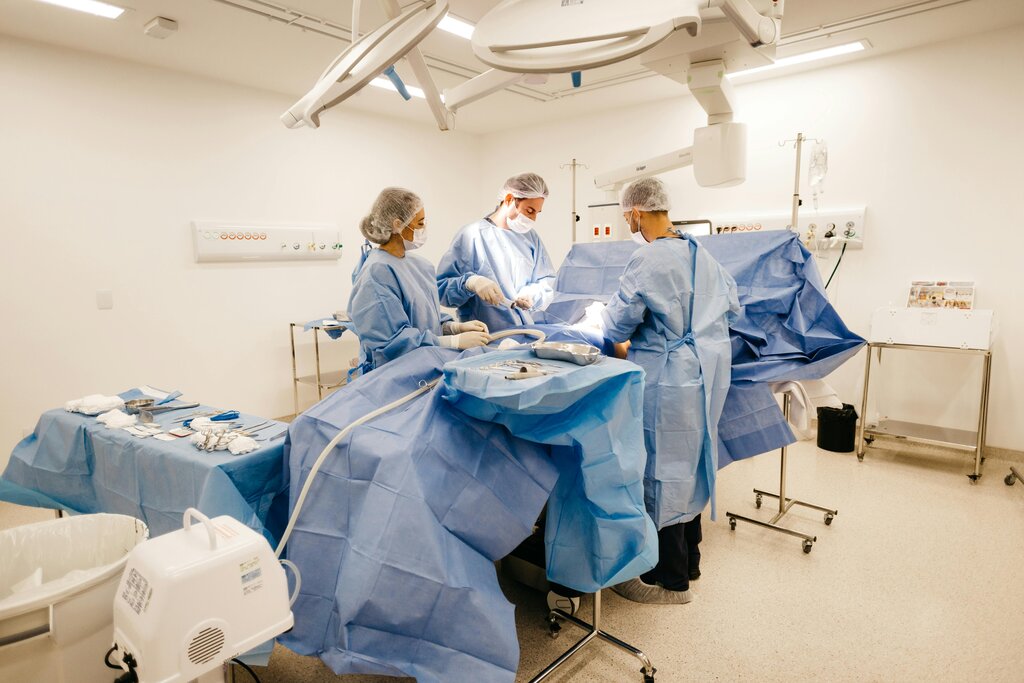
Aseptic Technique: This refers to all the practices used to prevent contamination by bacteria and other microorganisms. It's why operating rooms are sterile and why surgeons scrub in and wear gowns, gloves, and masks.
Asepsis
noun
The absence of bacteria, viruses, and other microorganisms. In surgery, it refers to the practice of creating a sterile environment to prevent infection.
Careful Approximation of Tissues: This means bringing the edges of an incision or wound together precisely, without pulling them too tight. Proper alignment helps tissues heal with minimal scarring and proper function.
Now that you have a grasp of the basics, let's test your knowledge.
What is the most common objective of surgery?
A surgeon removes a small piece of tissue from a patient's liver for laboratory examination. What type of surgery is this?
Understanding these fundamental concepts provides a framework for exploring the complex and fascinating world of surgery.