Introduction to Surfing
Ocean Safety
Read the Water
Before you even think about getting your board wet, take a few minutes to watch the ocean. Every beach is different, and conditions change daily. Look for where the waves are breaking, how strong the current seems, and where other surfers are paddling out. A little observation goes a long way.
Before you go into the water, watch the pattern of the waves, and notice where people are paddling in.
One of the most significant dangers to be aware of is a rip current. These are powerful, narrow channels of water moving away from the shore. They won't pull you under, but they will pull you out to sea. You can often spot them by looking for a channel of choppy, churning water, a line of foam or debris moving steadily away from the beach, or a break in the incoming wave pattern.
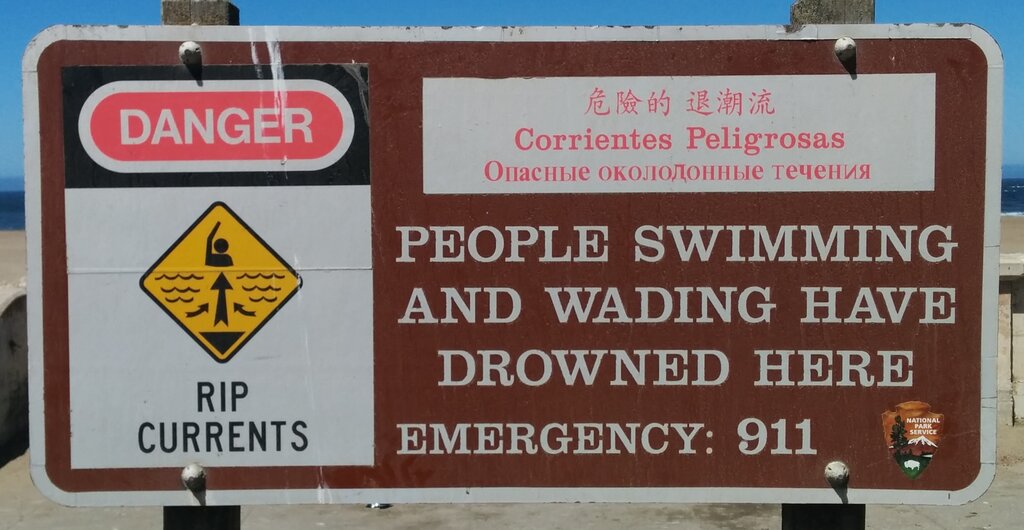
If you get caught in a rip current, the most important thing to do is stay calm. Don't fight the current by trying to swim directly back to shore; you'll only exhaust yourself. Instead, swim parallel to the shoreline until you are out of the current. Once you're free, you can start making your way back to land.
Beyond rips, be mindful of other hazards. Very large waves (known as 'heavy surf'), strong offshore winds that can blow you out to sea, and underwater obstacles like rocks or reefs can all pose a danger. If the conditions look too intense for your skill level, it's always better to wait for another day.
Your Board and Your Body
Your most important piece of safety gear is your leash. This is the cord that attaches your ankle to the surfboard. It prevents your board from being washed to shore or, worse, hitting another person if you fall off. A loose surfboard is a serious hazard in the water. Always wear your leash.
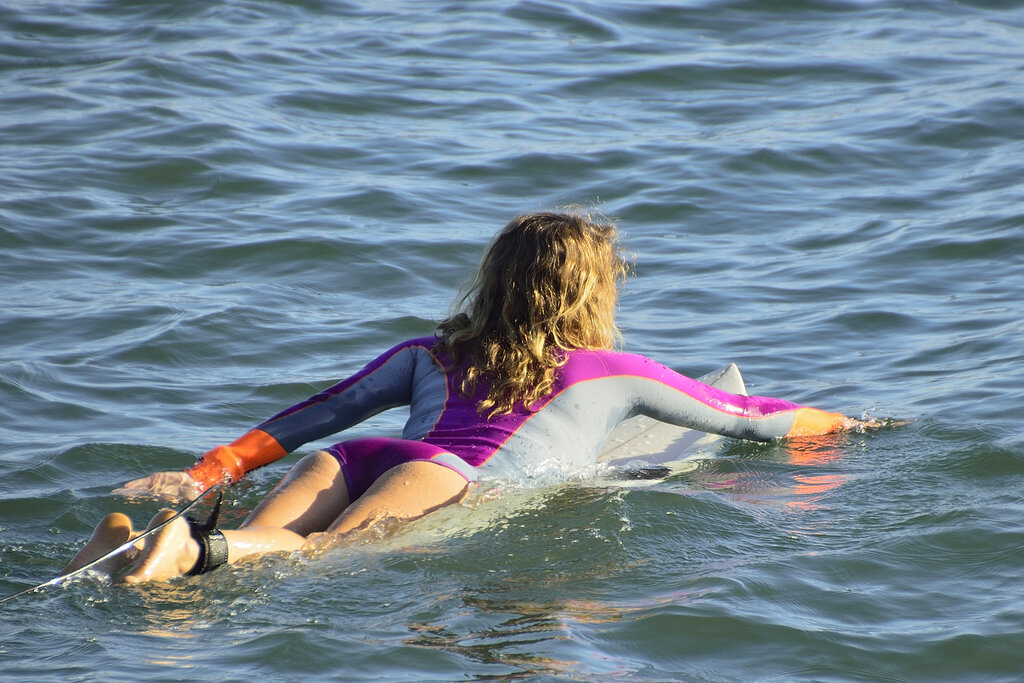
When entering and exiting the water, timing is key. Wait for a lull between sets of waves to paddle out. Never stand between your board and the shore—a wave can push the board into you with a lot of force. When you're ready to head in, you can either paddle in on your stomach or catch a small whitewater wave on your belly, staying in control until you reach shallow water.
Rules of the Lineup
Surfing has its own rules of etiquette, which are all designed to keep everyone safe and make sure everyone gets a chance to ride waves. The most basic rule is about right of way. The surfer closest to the 'peak,' or the part of the wave that is breaking first, has the right to that wave.
One surfer per wave. This prevents collisions and ensures everyone has a turn.
Taking a wave that belongs to someone else is called 'dropping in,' and it's a major breach of surf etiquette. If you see another surfer up and riding a wave, or in a better position to catch it, that wave is theirs. Don't try to catch it.
Also, when you're paddling back out to the lineup, stay out of the way of surfers who are riding waves. Paddle through the 'channel' where waves are not breaking, or if you have to go through the impact zone, paddle through the white water instead of into the open face of the wave where someone might be surfing.
drop in
verb
To catch or attempt to catch a wave that another surfer is already riding.
Finally, always maintain control of your board. Never just ditch it and dive under a wave. As we mentioned, your leash will keep it from going far, but it can still swing around and hit someone nearby. Hold onto your board whenever possible. This awareness and respect for others in the water is what makes surfing a safe and enjoyable experience for everyone.
Time to check your knowledge. These concepts are critical for staying safe in the ocean.
If you get caught in a rip current, what is the recommended course of action?
In surfing etiquette, the surfer closest to the 'peak' (the part of the wave breaking first) has the right of way.
Understanding these rules will not only keep you safe but also help you feel more confident and respectful as you begin your surfing journey.