Introduction to Structural Engineering
Introduction to Structural Engineering
The Skeleton of Our World
Think about the last time you walked across a bridge or entered a tall building. You probably didn't worry about it collapsing. You can thank a structural engineer for that peace of mind. At its core, structural engineering is the art and science of designing the “skeleton” that holds structures up, ensuring they are safe and sound for people to use.
Structural Engineering is a field of civil engineering that deals with the Planning, Analysis, Design and maintenance of a structure.
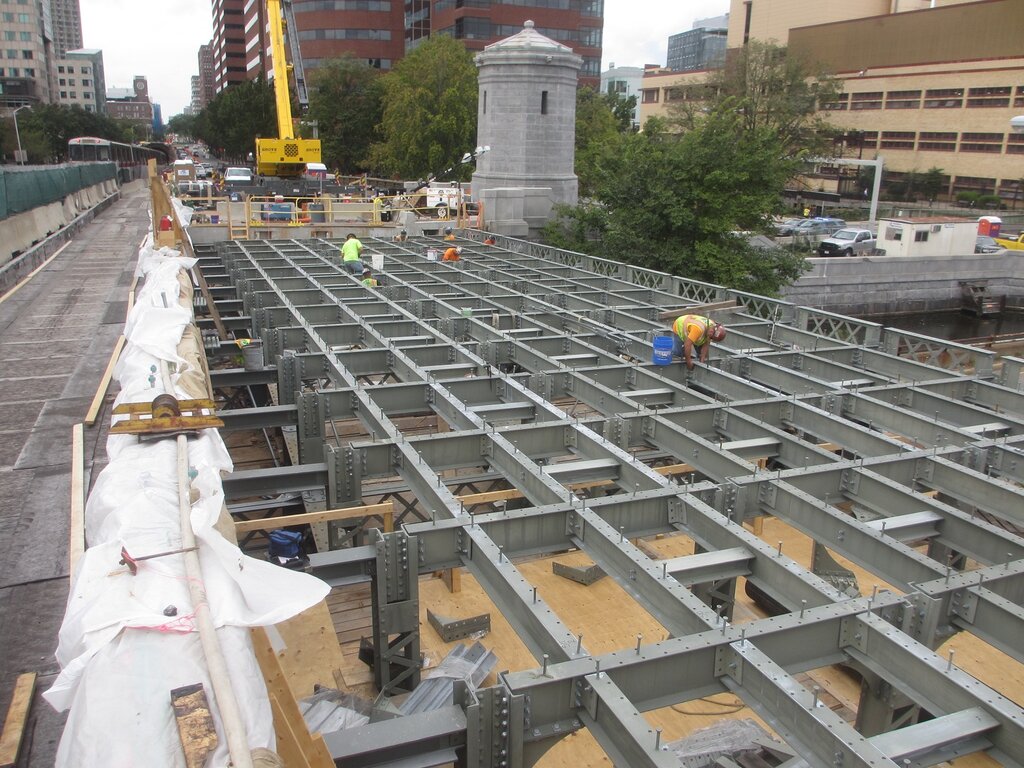
While an architect designs how a building looks and feels, a structural engineer figures out how to make that vision a physical reality that can withstand the forces of nature and everyday use. They are the ones who calculate what size beams are needed, where to place columns, and what materials will work best for the job. It’s a collaborative effort to create something that is not only beautiful but also resilient.
The Three Pillars
Every decision a structural engineer makes is guided by three fundamental goals. These principles ensure that a structure performs its job correctly and safely throughout its life.
Stability
noun
The ability of a structure to resist tipping over, sliding, or collapsing under loads.
First, the structure must be stable. Imagine a toddler's tower of blocks. If it’s not built on a flat surface or if the blocks are poorly stacked, it will topple easily. A structural engineer ensures a building has a solid foundation and a balanced frame so it won't tip over in the wind or slide during an earthquake.
Strength
noun
The capacity of a structure and its components to withstand applied forces without breaking.
Next is strength. The structure must be strong enough to support all the forces, or “loads,” it will experience. This includes the weight of the building itself, the people and furniture inside it, and even external forces like snow, wind, and seismic activity. The engineer selects materials and designs components that can handle these loads without failing.
Serviceability
noun
The condition under which a structure performs its intended function effectively for its users.
Finally, there’s serviceability. This means the structure is comfortable and usable. A skyscraper might be strong enough not to break, but if it sways so much in the wind that the occupants feel seasick, it isn't serviceable. Serviceability addresses issues like excessive vibration, deflection (bending), and cracking that might make a structure unpleasant or alarming to use, even if it isn't in danger of collapse.
From Bridges to Towers
Structural engineering is a broad field, and the structures engineers design are incredibly diverse. They range from the everyday to the extraordinary.
| Structure Type | Description | Examples |
|---|---|---|
| Buildings | Structures that provide shelter for human activities. | Homes, schools, offices, skyscrapers, factories |
| Bridges | Structures built to span a physical obstacle. | Highway overpasses, suspension bridges, arch bridges |
| Towers | Tall, narrow structures, often used for observation or communication. | Radio towers, water towers, observation decks |
| Infrastructure | Foundational facilities and systems serving a country, city, or area. | Tunnels, dams, retaining walls, pipelines |
Each type of structure presents its own unique challenges. Designing a skyscraper in a windy city requires a different approach than designing a long-span bridge over a river or a tunnel through a mountain. The engineer must understand the specific purpose of the structure and the environment it will exist in to create a safe and efficient design.
Now, let's check your understanding of these foundational concepts.
What is the primary role of a structural engineer in a building project?
A skyscraper is designed so it doesn't break during a hurricane, but it sways so much that the occupants feel uncomfortable and dizzy. Which fundamental goal of structural engineering has not been met?
In essence, structural engineering is the hidden force that shapes our modern world, providing the framework that supports our daily lives.