Introduction to Stocks
Introduction to Stocks
What Is a Stock?
At its heart, a stock is a small piece of a company. When you buy a stock, you're not just trading a piece of paper or a digital number; you're buying a share of ownership in that business. Think of a company as a large pizza. A stock is like a single slice. If you own a slice, you own a part of the whole pizza.
A stock represents a share of ownership in the issuing company.
This ownership is why stocks are also called “equities.” You hold equity, or a stake, in the company's future successes and failures. Historically, this ownership was represented by a physical document called a stock certificate.
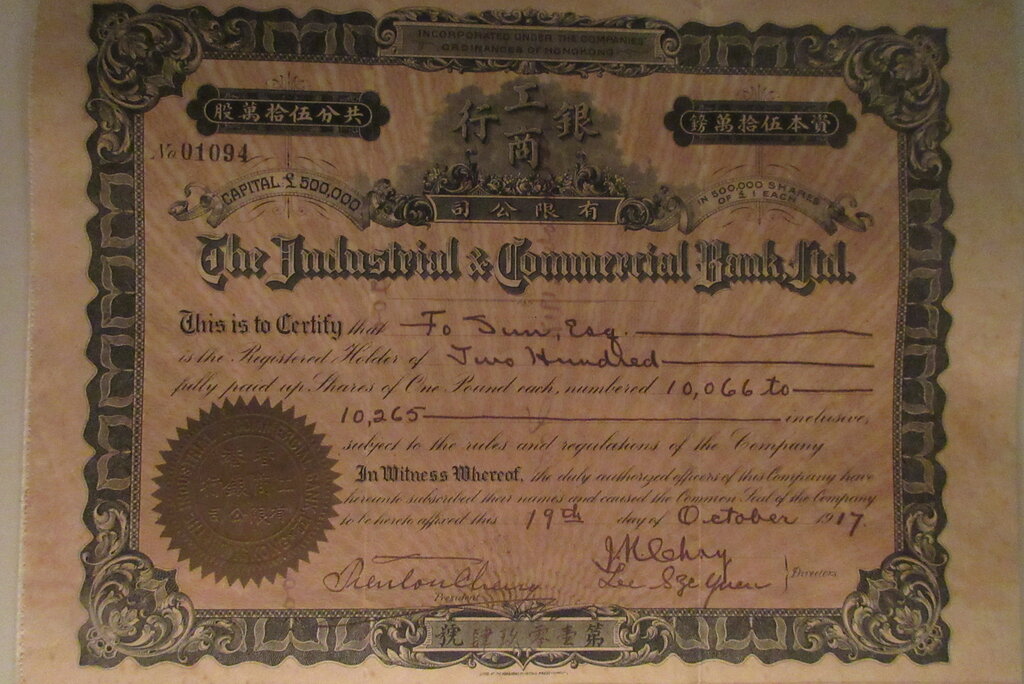
Today, most stock ownership is tracked electronically, but the principle remains the same. But why would a company want to sell off little pieces of itself to the public?
Companies issue stocks to raise money. This process is called corporate financing.
Instead of taking out a loan from a bank, a company can sell shares to investors. This provides cash, or capital, that the business can use to grow. It might use the money to build new factories, hire more employees, develop new products, or expand into new markets. In return for their cash, investors get to share in the company's potential future profits.
Common vs. Preferred Stock
Not all stocks are created equal. The two main types you'll encounter are common stock and preferred stock. Most investors own common stock.
Common Stock
noun
A type of stock that gives the owner voting rights and a share in the company's profits through dividends, though dividends are not guaranteed.
Common stockholders are the true owners of the company. They have the right to vote on major corporate decisions, like electing the board of directors. If the company does well, the value of their shares can increase significantly. They might also receive dividends, which are payments made from the company's profits to its shareholders. However, they are last in line if the company goes bankrupt and its assets are sold off.
Preferred Stock
noun
A type of stock that typically has no voting rights but has a higher claim on assets and earnings than common stock. Dividends are usually fixed and must be paid out before common stock dividends.
Preferred stockholders are in a more secure position. They get paid their dividends before common stockholders do. And if the company fails, they have a higher claim on any remaining assets. The trade-off is that they usually don't get to vote, and their potential for high returns is often capped by fixed dividend payments.
| Feature | Common Stock | Preferred Stock |
|---|---|---|
| Voting Rights | Yes | Typically No |
| Dividends | Variable, not guaranteed | Fixed, paid before common |
| Risk | Higher | Lower |
| Claim on Assets | Last | Before common stockholders |
What It Means to Be a Shareholder
Owning stock makes you a shareholder, which comes with certain rights and responsibilities. Your primary right, if you own common stock, is the right to vote. For most small investors, this means voting by proxy on matters presented at the company's annual meeting.
You also have a right to a portion of the company's profits, if the board decides to distribute them as dividends. And you have a claim on the company's assets, though as we've seen, your place in line depends on the type of stock you own.
What about responsibilities? For the average shareholder, there are very few. Your liability is limited to the amount you invested. If the company goes into debt, creditors can't come after your personal assets. Your main responsibility is simply to stay informed about the company's performance and vote on key issues.
Time to test your knowledge.
What does owning a stock fundamentally represent?
What is the primary reason a company issues stock to the public?
Understanding these basics—what a stock is, why companies issue them, and the different types of ownership—is the first step in navigating the world of investing.