Introduction to Stocks and the Stock Market
Introduction to Stock Markets
What is a Stock Market?
At its heart, the stock market is a collection of markets where you can buy and sell ownership in public companies. When you buy a company's stock, you are buying a small piece, or a "share," of that company. If the company does well, the value of your share may go up. If it does poorly, the value may go down.
Think of it like a massive, organized auction house. Millions of people come together every day to buy and sell these shares. The price of a share isn't set by the company; it's determined by what buyers are willing to pay and what sellers are willing to accept. This constant negotiation is what makes stock prices change all the time.
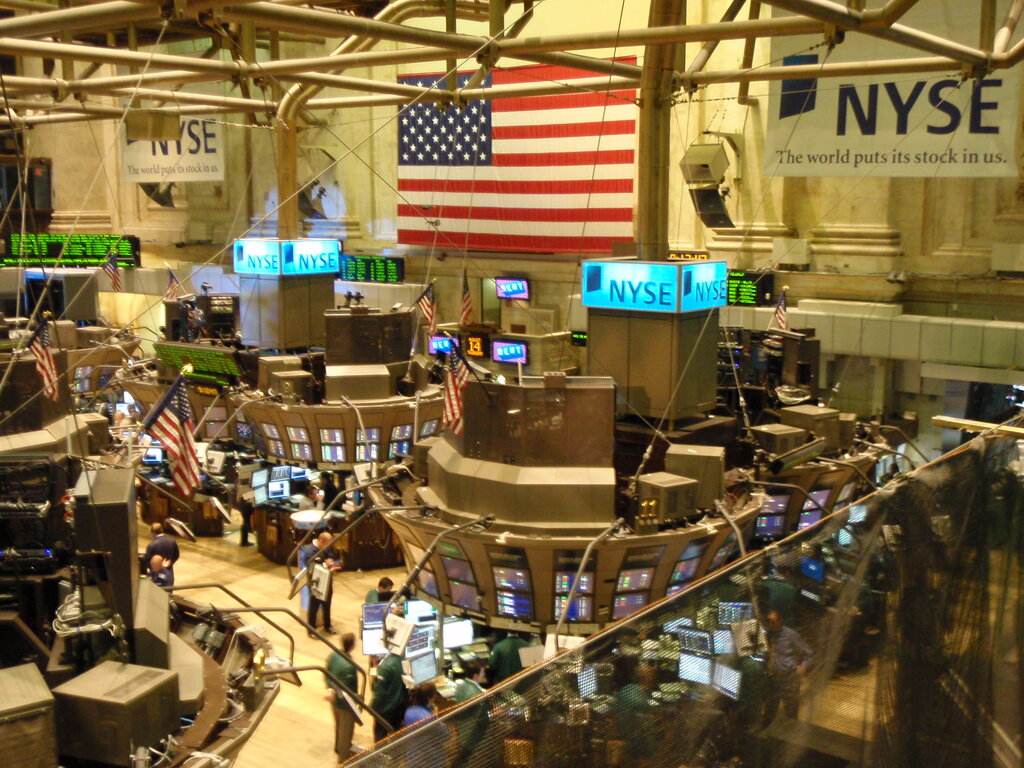
The main purpose of the stock market is twofold. For companies, it's a way to raise money to fund operations, expand, and innovate by selling ownership stakes to the public. For investors, it's an opportunity to grow their money by investing in the success of these businesses.
The Role of Stock Exchanges
While we call it "the" stock market, trading doesn't just happen in one giant, virtual room. It happens on specific marketplaces called stock exchanges. These are the venues that facilitate the buying and selling of stocks in a secure and regulated way.
An exchange acts as a middleman, ensuring that trades are fair and that both the buyer and seller honor their side of the deal.
You've probably heard of the two biggest exchanges in the United States: the New York Stock Exchange (NYSE) and the Nasdaq. The NYSE is famous for its physical trading floor, though most trading is now electronic. The Nasdaq was the world's first electronic stock market and is home to many of the world's biggest tech companies. Each exchange has its own listing requirements, so companies must meet certain standards to have their shares traded there.
Tracking the Market's Pulse
With thousands of companies listed on these exchanges, how can you tell how the market is doing overall? It would be impossible to track every single stock. That's where stock indices come in.
A stock index is a curated collection of stocks that represents a portion of the market. Its performance gives you a quick snapshot of the general health and direction of the market or a specific sector. It's like checking the weather forecast for a city instead of measuring the temperature of every single building.
Two of the most widely followed indices are:
- The S&P 500: This index tracks the performance of 500 of the largest U.S. companies. Because it's so broad, it's often used as a benchmark for the health of the entire U.S. stock market.
- The Dow Jones Industrial Average (DJIA): Often just called "the Dow," this index tracks 30 large, well-known American companies. While it includes far fewer companies than the S&P 500, it's one of the oldest and most famous market indicators.
When you hear on the news that "the market was up today," the reporter is usually referring to the performance of one of these major indices.
Who Participates?
The stock market is made up of millions of participants. On one side, you have the sellers, who are looking to exchange their shares for cash. On the other, you have the buyers, who are looking to invest their cash by purchasing shares. These buyers and sellers range from individuals investing for retirement to large institutions like pension funds and banks managing huge sums of money. The exchanges and brokers are the intermediaries that help bring these two sides together.
Now, let's check your understanding of these core concepts.
When you buy a company's stock, what are you purchasing?
What is the primary factor that determines the price of a stock?
Understanding these fundamentals is the first step in learning how financial markets operate.