Introduction to Stocks
Introduction to Stocks
What Is a Stock?
Think of a company as a large pizza. If you wanted to own a piece of it, you could buy a slice. In the world of finance, a stock is like one of those slices. It represents a small piece of ownership in a publicly traded company.
When you buy a stock, also known as a share, you purchase a fraction of that company.
When you own stock, you are a shareholder, which means you're a part-owner of the business. If the company is Apple, buying a share of its stock makes you a tiny owner of Apple. The more shares you buy, the bigger your slice of the pizza becomes.
In the past, owning a stock meant you received a physical document called a stock certificate. These were often ornate papers that proved your ownership.
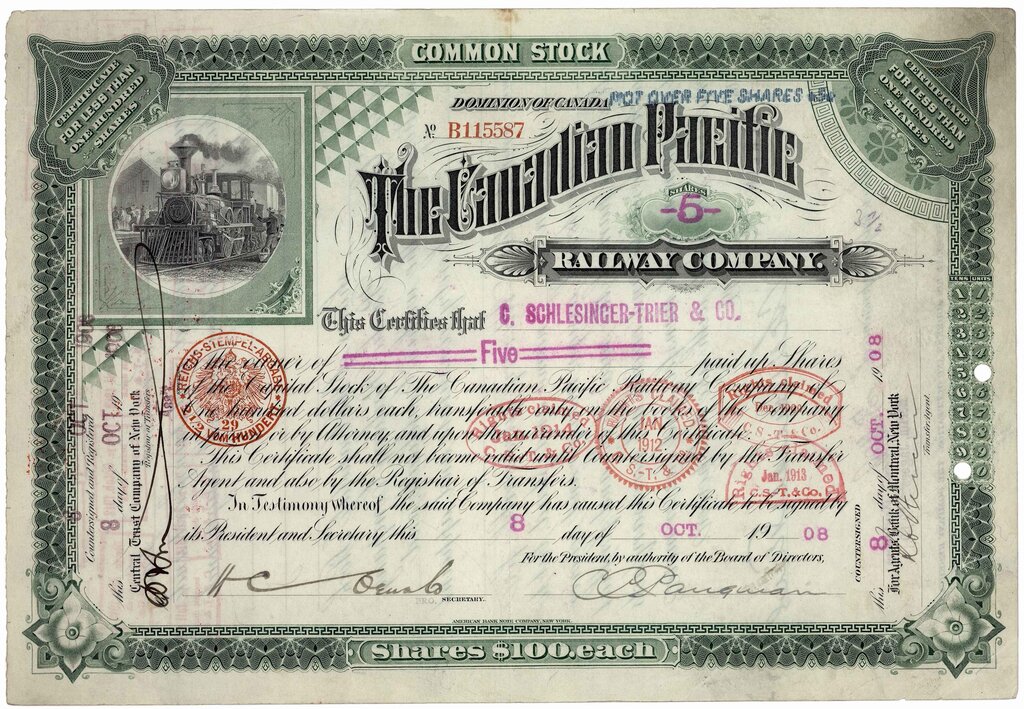
Today, ownership is almost always recorded electronically. It's faster and more secure, but the principle is exactly the same: a stock is your claim to a piece of a company's assets and potential profits.
Being a Shareholder
Being a part-owner comes with certain rights. The most significant is the right to vote on important company matters. Shareholders typically get to vote on who sits on the board of directors—the group responsible for overseeing the company and making major decisions. Generally, the rule is one share, one vote. So, the more stock you own, the more influence you have.
Shareholders don't run the company day-to-day, but their collective votes can shape its future direction.
Another major perk of being a shareholder is the potential to receive dividends. When a company earns a profit, it can choose to reinvest that money back into the business or distribute a portion of it to its shareholders. This payment is a dividend.
Dividend
noun
A sum of money paid regularly by a company to its shareholders out of its profits.
Dividends are a way for companies to share their success directly with their owners. However, they aren't guaranteed. A company might decide to skip paying dividends, especially if it's new and needs to use all its profits to grow, or if it's going through a tough financial period.
As for responsibilities, a shareholder's main role is to bear the financial risk. If the company struggles, the value of your ownership stake can decrease. Your potential loss is limited to the amount you invested, but it's a key part of the owner's experience.
Why Stocks Matter
So why do companies sell off little pieces of themselves in the first place? The primary reason is to raise money, also known as capital. This is a crucial function of the stock market.
Issuing stock is one of the main ways companies can fund big projects, expand operations, or develop new products without going into debt.
Imagine a successful coffee shop that wants to open new locations across the country. That kind of expansion costs a lot of money. Instead of just taking out a large bank loan, the owners might decide to "go public." This means they offer shares of stock for sale to the general public.
Investors buy these shares, providing the coffee shop with the cash it needs to grow. In return, these investors become part-owners, hoping the company succeeds and their shares become more valuable over time.
This process is fundamental to the economy. It allows businesses to grow and innovate, which can lead to job creation and new technologies. For investors, it offers a way to participate in and potentially profit from the success of these companies. The stock market is the organized venue where all this buying and selling happens, connecting companies that need capital with people who are willing to invest it.
Now that you understand the basics of what a stock is and why it's important, let's test your knowledge.
What does owning a share of a company's stock represent?
What is the primary reason a company chooses to 'go public' and issue stock?