Introduction to Stocks
Introduction to Stocks
What is a Stock?
Think of a company as a giant pizza. Buying a stock, also known as a share, is like buying a single slice of that pizza. You don't own the whole thing, but you do own a piece of it. The more shares you buy, the more slices you own.
stock
noun
A type of security that signifies a proportionate ownership in the issuing corporation. This entitles the stockholder to a proportion of the corporation's assets and earnings.
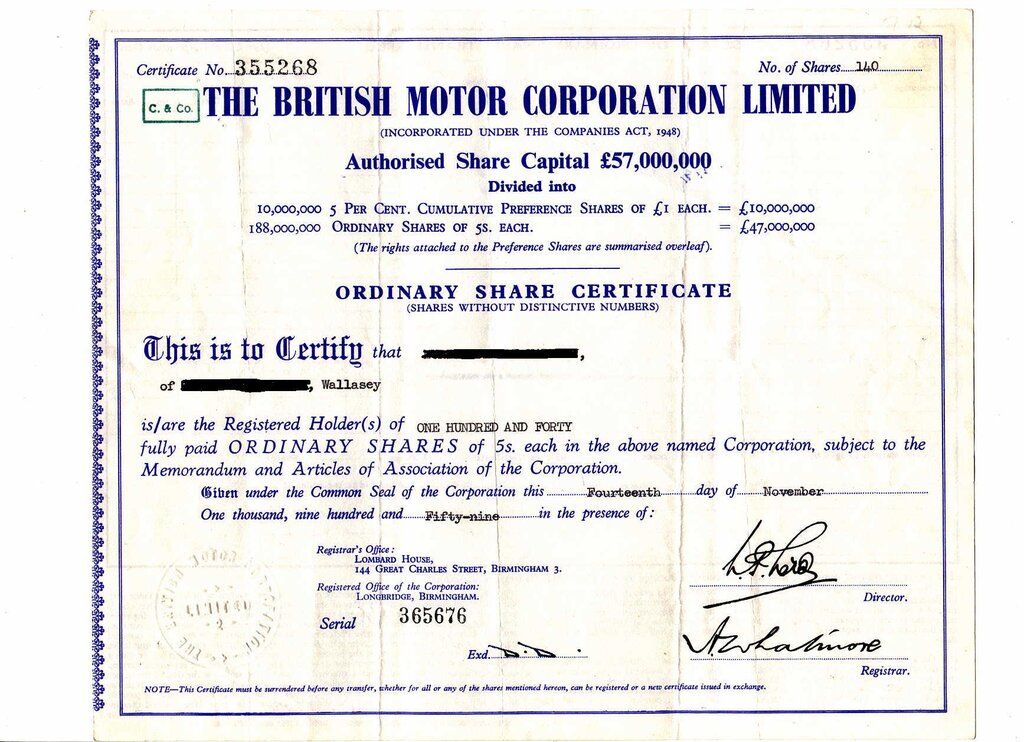
When you own stock, you're called a shareholder or stockholder. This ownership gives you a claim to a portion of the company's profits and a right to vote on certain company matters. In the past, this ownership was represented by a physical paper document.
Why Companies Issue Stock
Companies sell shares to raise money, also known as capital. This is a way for them to get cash to grow the business without having to take out a loan from a bank.
A company might use this money to:
- Develop new products
- Expand into new markets
- Build new factories
- Pay off debt
For investors, buying stock is an opportunity to own a piece of a growing company. If the company does well and its value increases, the value of their shares increases too.
Issuing stock allows a company to raise funds by selling small pieces of ownership to investors, fueling its growth and ambitions.
Two Main Flavors of Stock
Not all stocks are created equal. The two most common types are common stock and preferred stock. They offer different rights and benefits to shareholders.
A stock represents a share of ownership in the issuing company.
Most investors own common stock. This type gives you voting rights. You get a say in major corporate decisions, like electing the board of directors who oversee the company's management. The number of votes you have typically corresponds to the number of shares you own.
Preferred stock is different. It usually doesn't come with voting rights, so you don't get a say in how the company is run. In exchange for giving up that power, you get priority treatment in other areas. For example, preferred shareholders are guaranteed to receive their dividend payments before common shareholders get anything. If a company faces financial trouble and has to sell its assets, preferred shareholders get paid back before common shareholders.
| Feature | Common Stock | Preferred Stock |
|---|---|---|
| Voting Rights | Yes, usually one vote per share | No, typically no voting rights |
| Dividends | Paid after preferred shareholders | Paid before common shareholders |
| Risk | Higher | Lower |
| Claim on Assets | Paid after preferred shareholders | Paid before common shareholders |
What About Dividends?
When a company makes a profit, it has a choice. It can reinvest that money back into the business to fuel more growth, or it can distribute a portion of the profits to its shareholders. This distribution is called a dividend.
dividend
noun
A sum of money paid regularly (typically quarterly) by a company to its shareholders out of its profits or reserves.
Dividends are usually paid in cash, on a per-share basis. If a company declares a dividend of $1 per share and you own 100 shares, you'll receive $100. Not all companies pay dividends. Younger, fast-growing companies often prefer to reinvest all their profits to expand as quickly as possible. More established, stable companies are more likely to pay regular dividends, making their stock attractive to investors looking for a steady income stream.
Now that you understand what stocks are and why they exist, let's test your knowledge.
Buying a share of a company's stock is most similar to which of the following?
What is the primary reason a company sells shares of stock to the public?
Understanding these core concepts is the first step. You now have the foundation for exploring how stocks are bought and sold, and how they fit into a larger investment strategy.