Introduction to Stock Investing
Introduction to Stocks
What Is a Stock?
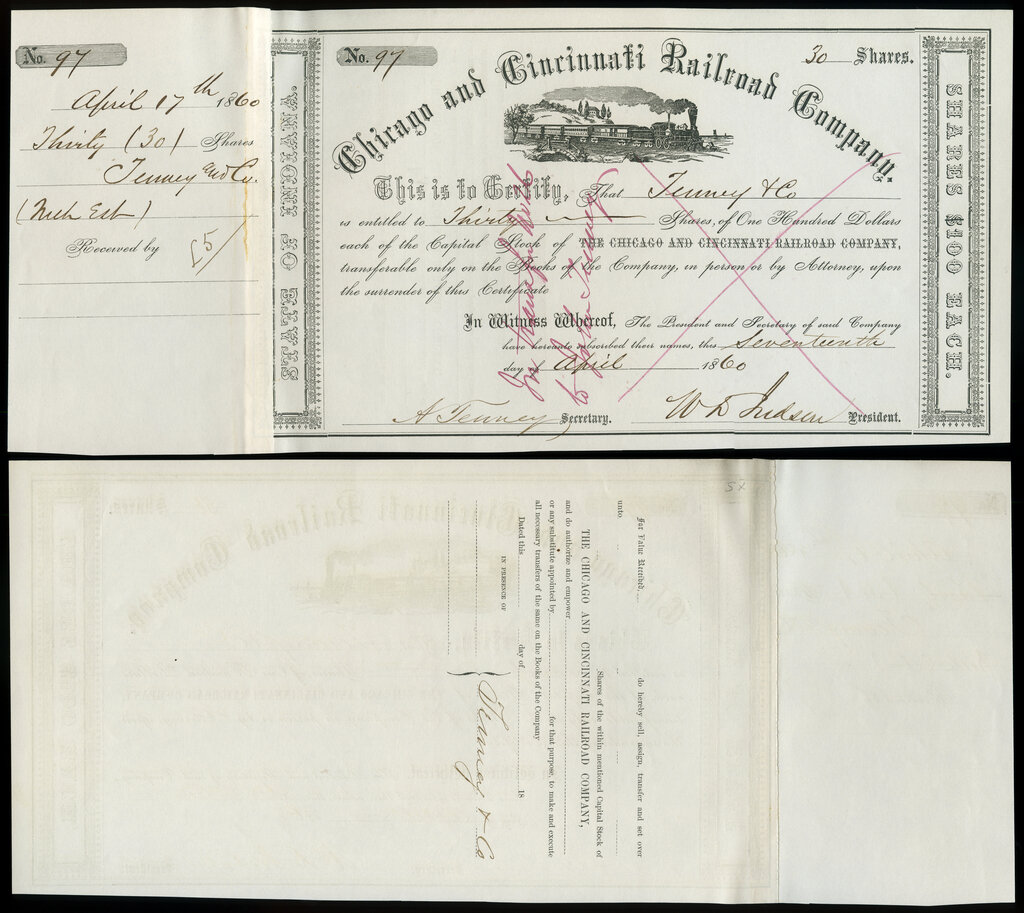
A stock is a share of ownership in a company. When you buy a company's stock, you are buying a small piece of that company. Think of a business as a whole pizza. Buying a stock is like buying a single slice. You now own a part of the whole pie.
Stock
noun
A type of security that signifies ownership in a corporation and represents a claim on part of the corporation's assets and earnings.
Companies sell these small pieces, or shares, to raise money. They might use this cash to fund new projects, expand their operations, or hire more people. In return, the people who buy the shares—called shareholders—get to share in the company's potential successes.
The Perks of Ownership
Owning stock isn't just about the numbers on a screen. As a part-owner, you have certain rights. The most common right is the ability to vote on company matters.
Typically, each share of stock you own gives you one vote. Shareholders can vote on important decisions, like electing the board of directors—the group of people responsible for overseeing the company and protecting shareholder interests. While a single investor's vote might not change the outcome, it's a fundamental part of being an owner.
When you buy a stock, you're not just betting on a ticker symbol. You're becoming a part-owner of a real business.
How Stocks Make Money
There are two primary ways to earn a return from investing in stocks. The first is through an increase in the stock's price, and the second is through payments made by the company to its shareholders.
1. Capital Appreciation
This happens when the stock you bought increases in value. If you buy a share for 💲50 and its price goes up to 💲70, your stock has appreciated by 💲20. You realize this gain when you sell the share. This is the most common way investors hope to profit from stocks.
2. Dividends
Dividends are payments that some companies make to their shareholders. They are a way for a company to distribute a portion of its profits directly to its owners. Not all companies pay dividends. Younger, high-growth companies often reinvest their profits back into the business to fuel further growth, while more established, stable companies are more likely to issue them.
Dividends are usually paid out on a per-share basis. If a company declares a dividend of $1 per share and you own 100 shares, you'll receive a payment of $100.
Understanding the Risks
While stocks offer the potential for significant growth, they also come with risks. The value of a stock can go down just as easily as it can go up. A company's fortunes can change due to poor management, declining sales, or increased competition. If the company performs poorly, the value of your shares may decrease, and you could lose money.
This fluctuation in price is called volatility. The market as a whole can also decline due to economic recessions, political events, or other broad factors. This is known as market risk. Unlike a savings account, there's no guarantee that you'll get your initial investment back.
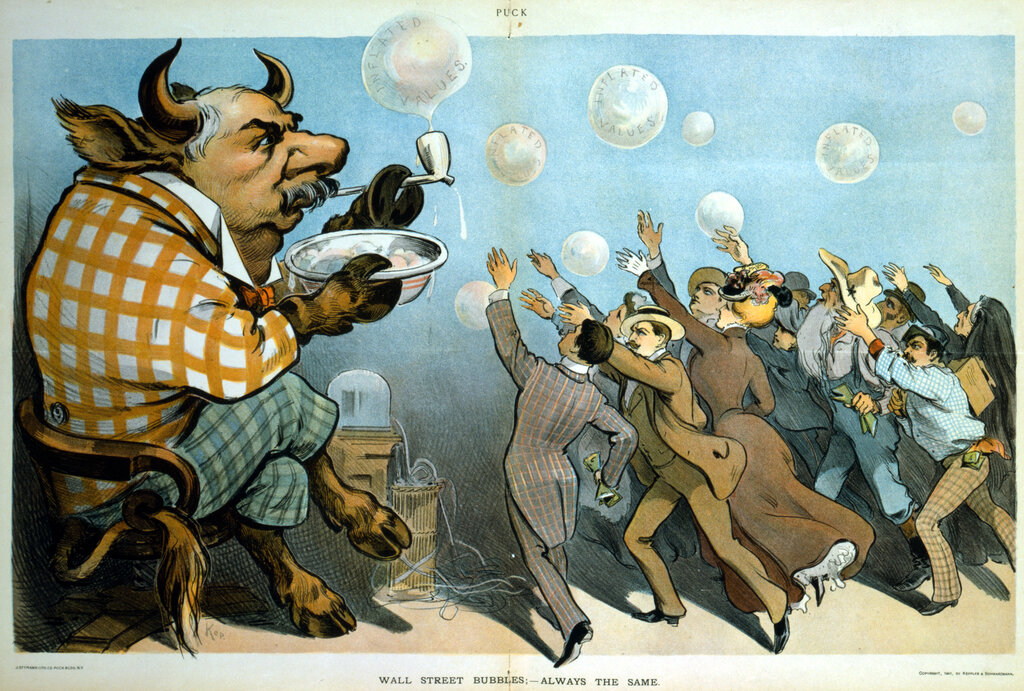
The key is that the price of a stock reflects investors' collective expectations for a company's future success. If those expectations change, the price changes with them. This uncertainty is the fundamental risk of stock investing.
Let's check your understanding of these core ideas.
What does owning a stock directly represent?
Which of the following is a primary reason for a company to issue stock?
This foundational knowledge about what stocks are, the rights they grant, how they generate returns, and their inherent risks is the first step in understanding the world of investing.