Introduction to Statistics
Introduction to Statistics
Making Sense of Data
Every day, we are surrounded by a sea of information. From the latest cricket scores to the number of steps on your fitness tracker, data is everywhere. But what do all these numbers and facts really mean? How can we use them to understand the world and make better choices? This is where statistics comes in.
Statistics
noun
The science of collecting, organising, analysing, interpreting, and presenting data to make effective decisions.
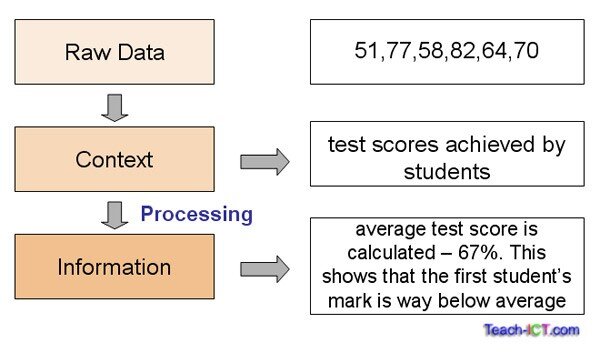
Think of statistics as a toolkit for navigating the world of data. It helps us cut through the noise and find meaningful patterns. Without it, data is just a jumble of raw facts. With statistics, we can transform that raw data into useful information and insights.
This process is about more than just crunching numbers. It's about developing a special way of thinking—statistical thinking. This means asking the right questions about data: Where did it come from? Is it reliable? What stories can it tell us? It's about being curious and critical, and not just taking information at face value.
Statistics in Action
You might not realise it, but statistics plays a role in many parts of your daily life. It’s the silent engine behind many of the services and decisions that affect you.
In business, companies like Flipkart and Amazon analyse your past purchases and browsing history. They use statistics to predict what you might like next and show you personalised recommendations. Food delivery apps like Zomato use statistics to estimate delivery times based on traffic, weather, and the number of orders.
Healthcare relies heavily on statistics. Before a new medicine is approved, it goes through clinical trials. Statisticians analyse the data from these trials to determine if the drug is safe and effective. During a health crisis, like the COVID-19 pandemic, statistics helped public health officials track the spread of the virus, identify high-risk groups, and evaluate the effectiveness of vaccines.
Governments and social scientists also use statistics to make important decisions. The Census of India, for example, is a massive data collection effort. The government uses this statistical information to plan for the future, deciding where to build new schools, hospitals, and roads. It helps them understand the country's changing population and allocate resources effectively.
In every field, from sports analytics to environmental science, statistics provides the tools to turn evidence into action.
Thinking Like a Statistician
The core of statistics isn't just about formulas; it's about a mindset. Statistical thinking is the ability to see the bigger picture within a dataset. It's about recognising that data isn't always perfect and that our conclusions come with a degree of uncertainty.
When a news report says, "A new study shows...", a statistical thinker asks critical questions. Who conducted the study? How many people were included? Could there be another explanation for the results? This approach helps you become a more informed consumer of information, able to separate credible claims from misleading ones.
A solid understanding of statistics empowers data professionals to extract valuable insights, uncover trends, and make data-driven decisions.
Learning statistics gives you a powerful lens through which to view the world. It equips you to make better, evidence-based decisions in your personal and professional life.
What is the primary purpose of statistics?
Which of the following best describes 'statistical thinking'?