Introduction to Sport Science
Introduction to Sport Science
The Science of Performance
At its core, sport science is the study of how the human body works during exercise and how we can use that knowledge to improve performance and health. It’s not just for elite athletes aiming for gold medals. The principles of sport science apply to anyone who wants to move better, feel stronger, or recover from an injury more effectively.
This field takes a scientific approach to physical activity. Researchers and practitioners ask questions like: What’s the most effective way to train for a marathon? What should an athlete eat before a big game? How can we design equipment that prevents injuries? To answer these, they draw on a wide range of scientific disciplines.
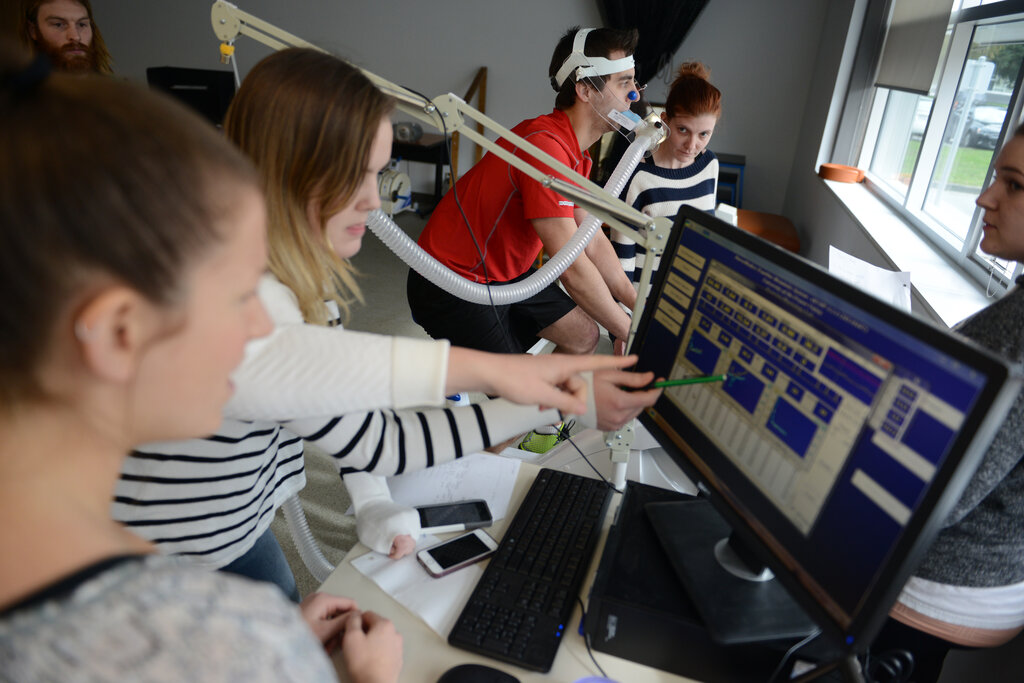
A Team of Sciences
Sport science isn’t a single subject. It's an interdisciplinary field, meaning it brings together insights from many different areas of science. Think of it as a team where each player has a unique specialty, but they all work together toward a common goal: understanding human movement and performance.
This blend of knowledge allows for a holistic view of an athlete or active person. A physiologist might focus on the muscles and heart, a psychologist on the mind, and a nutritionist on diet. By combining their expertise, they can create a complete picture and develop well-rounded strategies for training, competition, and overall well-being.
Each of these areas provides a different lens through which to view athletic activity.
The Core Disciplines
Let's briefly look at the key areas that make up sport science.
Exercise Physiology examines how the body responds and adapts to physical stress. It looks at everything from how your heart rate changes during a sprint to the long-term changes in your muscles from weightlifting.
Biomechanics is the physics of human movement. Biomechanists analyze the forces acting on the body to improve technique, design better equipment, and understand how injuries happen. For example, they might analyze a pitcher's throw to maximize speed while minimizing stress on the elbow.
Sports Psychology focuses on the mental side of performance. It explores how thoughts, feelings, and focus affect an athlete's abilities. A sports psychologist might help an athlete build confidence, manage anxiety before a competition, or stay motivated through a long training season.
While physiology gets the body ready and biomechanics refines movement, psychology ensures the mind is also prepared for competition.
Sports Nutrition is all about how food and drink fuel the body for exercise and recovery. Nutritionists create plans to help athletes get the right balance of energy, nutrients, and hydration to perform at their best.
Sports Medicine is a broad area focused on the health of active people. It involves diagnosing, treating, and, most importantly, preventing injuries related to sports and exercise.
Performance Analysis involves collecting and interpreting data to understand performance. Coaches and analysts use video footage and statistical data to evaluate an athlete's or team's strategy, strengths, and weaknesses.
Rehabilitation and Injury Prevention focuses on helping athletes recover from injuries and creating programs to reduce the risk of getting hurt in the first place. This involves targeted exercises and strategies to address imbalances or weaknesses.
A critical challenge in contemporary sports science lies in filling the gap between group-level insights derived from controlled hypothesis-driven experiments and the real-world need for personalized coaching tailored to individual athletes' unique movement patterns.
Together, these fields provide a powerful framework for helping people of all levels achieve their physical potential safely and effectively. Now, let's test your understanding of these foundational concepts.
What is the primary goal of sport science?
A coach uses high-speed cameras to analyze a tennis player's serve, looking at the angles of the joints and the forces generated to maximize power. Which sub-discipline of sport science is being applied?
Sport science integrates knowledge from many fields to provide a complete picture of human performance. By understanding its core disciplines, you have a foundation for exploring the fascinating ways science can enhance physical activity.