Introduction to Spiking Neural Networks
Introduction to SNNs
A Different Kind of Network
Artificial neural networks (ANNs) are built on a simple idea: they're inspired by the human brain. But while most ANNs are a loose inspiration, a special type called a Spiking Neural Network (SNN) takes this connection much more seriously. They aim to mimic how our own neurons actually communicate.
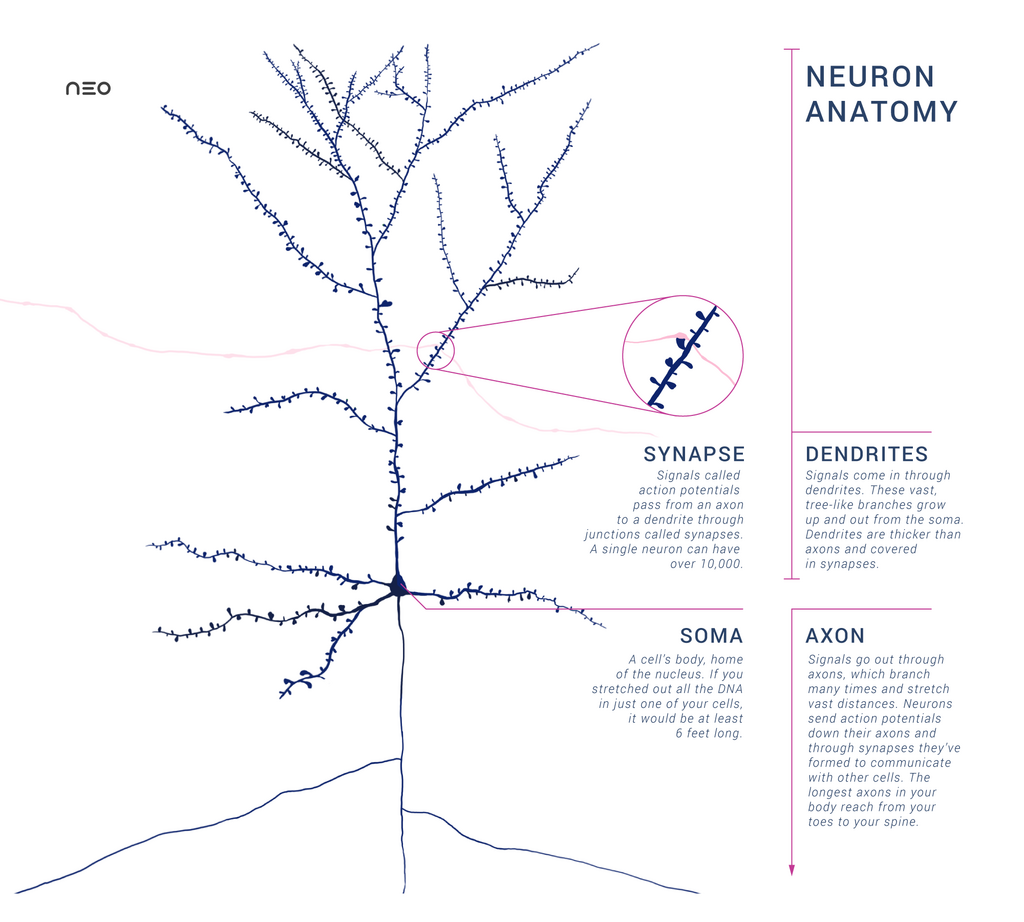
Your brain doesn't work like a standard computer, processing a constant stream of numbers. Instead, its neurons communicate with brief, sharp electrical pulses called spikes. A neuron stays quiet until it has enough input to fire its own spike, sending a signal to its neighbors. This is an event-driven system—computation happens only when a specific event (a spike) occurs.
SNNs copy this event-driven approach. Instead of processing continuous numbers, their neurons communicate using discrete spikes, just like the real thing.
Signals vs. Spikes
Imagine a traditional ANN as a panel of dimmer switches. Each neuron is a switch, and its output is a continuous value—maybe it’s 80% bright, 25% bright, or completely off. During processing, every switch in a layer updates its brightness at the same time, passing these values to the next layer. It's a constant, synchronized hum of information.
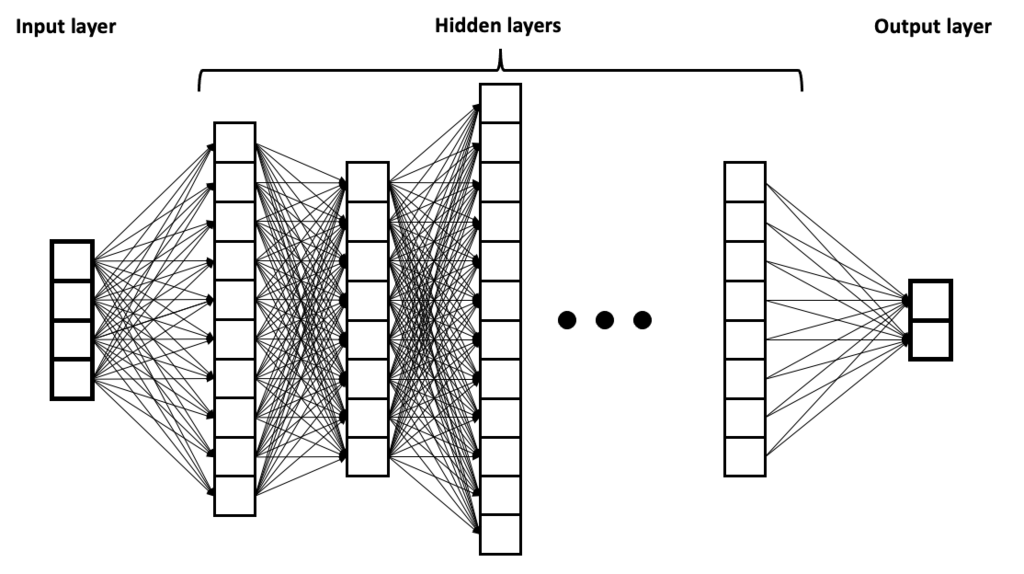
SNNs work more like a team sending messages in Morse code. A neuron is silent until its internal state—think of it as a build-up of charge—crosses a certain threshold. When it does, it fires a single, identical spike. It doesn't send a value like "0.75"; it just sends a spike. The communication is asynchronous and sparse. A neuron only acts when it has something important enough to say.
| Feature | Traditional ANN | Spiking Neural Network (SNN) |
|---|---|---|
| Neuron Output | Continuous value (e.g., 0.8) | Discrete event (a spike or nothing) |
| Processing | Synchronous (all neurons update) | Asynchronous (event-driven) |
| Information Coding | In the value of the output | In the timing and pattern of spikes |
| Biological Realism | Low | High |
The Power of Timing
In an SNN, information isn't just in whether a neuron spikes, but precisely when. This is called temporal coding. A spike that arrives a few milliseconds earlier or later can completely change the message. Think of a drummer. Playing a kick, snare, and hi-hat gives you the basic components of a beat. But the rhythm—the exact timing of those hits—is what turns it into music.
Similarly, SNNs use the timing between spikes to encode rich, complex information. A rapid burst of spikes might mean one thing, while a few delayed spikes could mean something entirely different.
This makes SNNs naturally suited for tasks where time is a critical factor, such as processing audio, video, or data from sensors that are themselves event-driven. They can react to changes in real-time without needing to process an entire data frame, because they only respond to the incoming spikes.
Efficiency and the Future
Because SNN neurons are often inactive, they are incredibly energy-efficient. A neuron only consumes power when it actually fires a spike. This is a huge advantage over ANNs, where every neuron is constantly performing calculations. This efficiency is a key driver behind a field called neuromorphic computing, which aims to build computer chips that work like the brain.
Spiking Neural Networks (SNNs) serve as a prominent model for designing neuromorphic chips.
By mimicking the brain's event-driven and efficient nature, SNNs have the potential to power low-power devices, from advanced robotics and autonomous drones to smart sensors and medical implants. They represent a fundamental shift, moving artificial intelligence one step closer to its biological inspiration.
Ready to test your knowledge? Let's see what you've learned about Spiking Neural Networks.
What is the primary difference in how a traditional Artificial Neural Network (ANN) and a Spiking Neural Network (SNN) transmit information between neurons?
The principle that information in an SNN is encoded not just in whether a neuron fires, but precisely when it fires, is known as:
By understanding how SNNs leverage spikes and timing, we can see a future where AI is not just powerful, but also remarkably efficient.