Introduction to Sperm and Ovaries
Introduction to Human Reproductive Anatomy
Blueprint for a New Generation
Unlike other body systems that work to keep a single individual alive, the reproductive system is designed to create new life. It consists of the organs, glands, and hormones necessary to produce offspring. While the male and female systems have different parts and functions, they are designed to work together.
Male Reproductive Anatomy
The primary job of the male reproductive system is to produce and deliver sperm. This process involves a series of specialized organs working in concert. The main external structures are the penis and the scrotum, while most of the system is located inside the body.
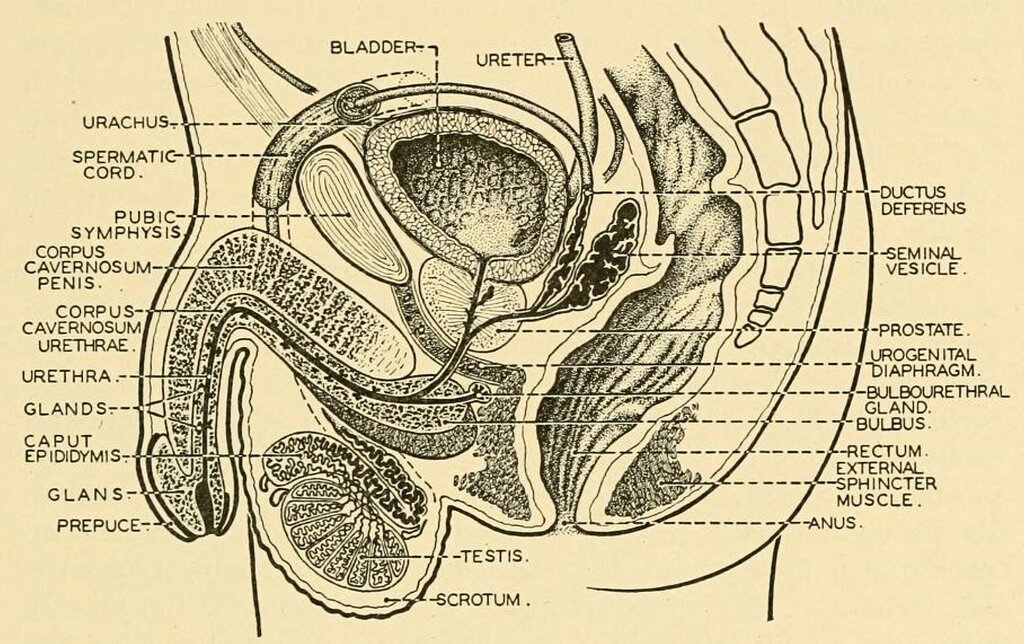
Production begins in the testes, which are responsible for making sperm and the male hormone testosterone. The testes are held outside the body in a pouch of skin called the scrotum. This location is important because sperm develop best at a temperature slightly cooler than the rest of the body.
Once produced, sperm mature and are stored in a long, coiled tube called the epididymis, located on the back of each testis. From there, they travel through a tube called the vas deferens. Along the way, fluids are added by the seminal vesicles and the prostate gland. This mixture of sperm and fluid is called semen. Finally, semen is expelled from the body through the urethra, the same tube that carries urine out of the body.
testis
noun
The male reproductive gland that produces sperm and testosterone.
Female Reproductive Anatomy
The female reproductive system has several key roles: it produces eggs, receives sperm, provides a place for a fertilized egg to develop, and facilitates childbirth. Most of the female reproductive organs are located within the pelvic cavity.
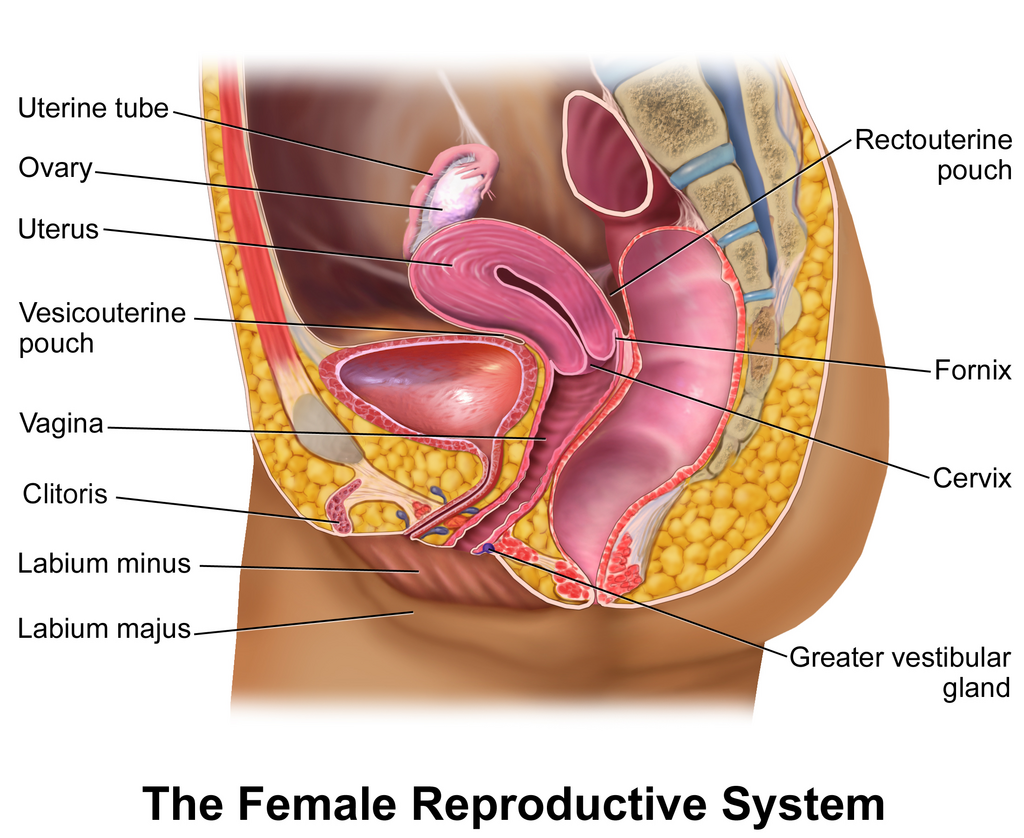
The ovaries are two small, oval-shaped glands that produce eggs (ova) and female hormones like estrogen and progesterone. When an ovary releases an egg, it travels through a fallopian tube. These tubes act as a pathway connecting the ovaries to the uterus and are usually where fertilization occurs.
The uterus is a hollow, muscular organ where a fertilized egg implants and develops into a fetus. It's often called the womb. The lower, narrow part of the uterus is the cervix, which opens into the vagina. The vagina is a muscular tube that connects the cervix to the outside of the body. It receives sperm during intercourse and serves as the birth canal during childbirth.
ovary
noun
The female reproductive gland in which eggs are produced.
Together, these male and female systems hold the potential for creating new human life, each with a distinct and essential role in the process.