Introduction to Spanish Language
Spanish Alphabet and Pronunciation
The Spanish Alphabet
One of the best things about learning Spanish is its straightforward pronunciation. Unlike English, where letters can have many different sounds, Spanish is highly consistent. Once you learn the sound for each letter, you can pronounce almost any word correctly just by reading it.
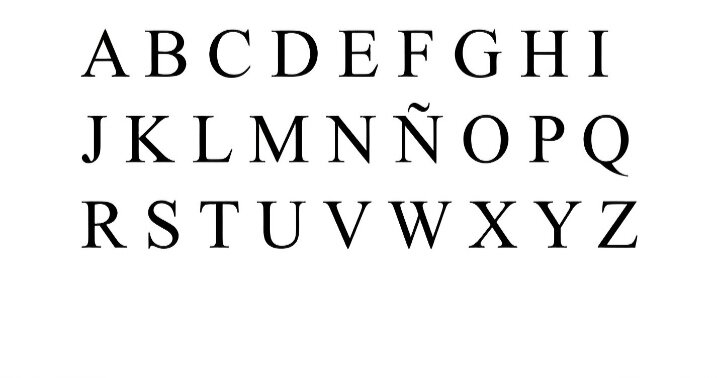
The Spanish alphabet has 27 letters. It's the same as the English alphabet, plus one extra character: the 'ñ'. The foundation of Spanish pronunciation rests on its five simple, pure vowel sounds.
The Five Vowels
Spanish has only five vowel sounds, and they never change. If you can master these, you're halfway to sounding clear and authentic. Each vowel has one, and only one, sound.
| Vowel | Sound | English Example |
|---|---|---|
| A, a | ah | father |
| E, e | eh | bed |
| I, i | ee | see |
| O, o | oh | go |
| U, u | oo | too |
Practice saying them out loud: ah, eh, ee, oh, oo. Keep the sounds short and crisp. This consistency is your biggest advantage.
Consistent Consonants
Most Spanish consonants sound similar to their English counterparts, but a few have very specific rules you'll need to learn. The good news is that these rules are also very consistent.
| Letter(s) | Rule | Spanish Example |
|---|---|---|
| c | Sounds like 'k' before a, o, u. Sounds like 's' before e, i. | casa (house), cine (cinema) |
| g | Sounds like a hard 'g' (like in 'go') before a, o, u. Sounds like an English 'h' before e, i. | gato (cat), gente (people) |
| h | Always silent. | hola (hello) |
| j | Always sounds like the English 'h'. | jardín (garden) |
| ll | Sounds like 'y' in 'yes'. | llamar (to call) |
| ñ | Sounds like 'ny' in 'canyon'. | español (Spanish) |
| q | Always followed by 'u' (which is silent) and sounds like 'k'. | queso (cheese) |
| z | Sounds like an 's'. | zapato (shoe) |
Learning these patterns is key. Once they click, reading Spanish aloud becomes much easier.
Spanish pronunciation is consistent: once you learn the sounds, you’ll understand and be understood more easily.
Two Tricky Sounds
A couple of sounds require a little extra practice. They are the rolled 'r' and the combined sound of 'b' and 'v'.
The 'R' and 'RR'
The single 'r' is a light tap of the tongue against the roof of the mouth, similar to the 'tt' sound in the American English pronunciation of 'butter'. The double 'rr' is a full, vibrating trill. This sound is made by resting your tongue against the roof of your mouth and blowing air through to make it vibrate.
Listen to the difference between pero (but), which uses a single 'r', and perro (dog), which uses the trilled 'rr'. Getting this down takes practice, so don't worry if you can't do it perfectly right away.
The 'B' and 'V'
This one is surprisingly simple: in Spanish, 'b' and 'v' make the exact same sound. Both are pronounced like a soft English 'b'. There is no difference in pronunciation between words like vaca (cow) and baca (roof rack).
So, when you see a 'v' in a Spanish word, think 'b'. This simplifies things and helps you avoid a common beginner mistake.
What is a primary reason that Spanish pronunciation is considered relatively straightforward for learners?
True or False: Spanish has five vowels, and the sound of each vowel can change depending on the letters around it.
By focusing on these basic rules, you're building a strong foundation for speaking and understanding Spanish. Consistency is the key.