Introduction to Spanish Language
Spanish Alphabet and Pronunciation
The Spanish Alphabet
Getting started with Spanish is easier than you might think. The Spanish alphabet, or abecedario, is almost identical to the English one. The main difference is the addition of one special character. The best part? Spanish is a very phonetic language. Once you learn the sound of each letter, you can pronounce almost any word correctly just by reading it.
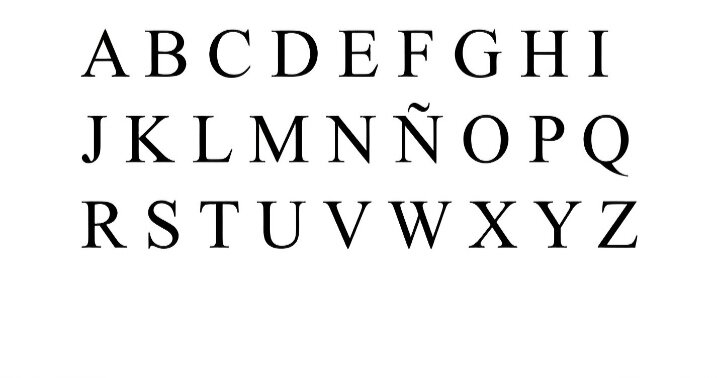
The extra letter you'll see is 'ñ' (pronounced enye). It represents a sound similar to the 'ny' in "canyon." You'll find it in many common words.
year
Simple Vowel Sounds
One of the biggest advantages for English speakers learning Spanish is the vowel system. While English vowels have many different pronunciations, Spanish vowels are simple and consistent. There are only five vowel sounds, one for each letter.
| Vowel | Pronunciation | Example Word (English Sound) |
|---|---|---|
| A | ah | father |
| E | eh | bed |
| I | ee | see |
| O | oh | go |
| U | oo | food |
No matter where you see these vowels in a Spanish word, they will always make these sounds. Mastering them is a huge step toward clear pronunciation.
Tricky Consonants C and G
Most Spanish consonants sound a lot like their English counterparts. However, the letters 'c' and 'g' are special because their sounds change depending on the vowel that follows them. This is a pattern you'll get used to quickly.
The letters 'c' and 'g' have a "hard" sound before A, O, and U, and a "soft" sound before E and I.
Let's look at the letter 'c'. Before 'a', 'o', or 'u', it makes a hard sound, like the 'k' in "cat." But before 'e' or 'i', it makes a soft sound, like the 's' in "see."
| Combination | Sound | Example |
|---|---|---|
| ca, co, cu | Hard 'k' sound | casa (house) |
| ce, ci | Soft 's' sound | cine (cinema) |
The letter 'g' follows a similar rule. Before 'a', 'o', or 'u', it has a hard sound, like the 'g' in "go." Before 'e' or 'i', it makes a soft, airy sound, like the 'h' in "hello."
| Combination | Sound | Example |
|---|---|---|
| ga, go, gu | Hard 'g' sound | gato (cat) |
| ge, gi | Soft 'h' sound | gente (people) |
Keep these simple rules in mind, and you'll be able to tackle the pronunciation of thousands of words. Let's practice what we've learned.
What is the primary advantage of Spanish pronunciation for English speakers?
True or False: The sound of a Spanish vowel changes depending on its position in a word.
With these fundamentals, you have the building blocks for reading and speaking Spanish. Consistent practice is the key from here.