Introduction to Software Engineering
Introduction to Software Engineering
More Than Just Code
Think about the apps on your phone, the website you use for banking, or the system that powers traffic lights. All of these are powered by software. But creating reliable, efficient, and easy-to-use software isn't as simple as just writing code. It requires a structured and disciplined approach. That’s where software engineering comes in.
Software engineering is the systematic approach to designing, developing, testing, and maintaining software systems.
Unlike simply programming, which focuses on writing code to perform a specific task, software engineering applies principles from engineering to the entire process of building software. It's the difference between building a simple shed in your backyard and constructing a skyscraper. Both require wood and nails, but the skyscraper needs blueprints, project management, and rigorous safety checks.
software
noun
The set of instructions, data, or programs used to operate computers and execute specific tasks.
A Brief History
In the early days of computing, programs were simple and written by one or two people. But as computers became more powerful, the software grew more complex. Projects started running over budget, finishing late, and were often unreliable. This period in the late 1960s became known as the "software crisis."
The term "software engineering" was coined at a 1968 NATO conference to address this problem. The goal was to bring the discipline and predictability of traditional engineering fields, like civil or electrical engineering, to the world of software development. Instead of an informal, artistic process, the field moved toward a more structured and systematic one.
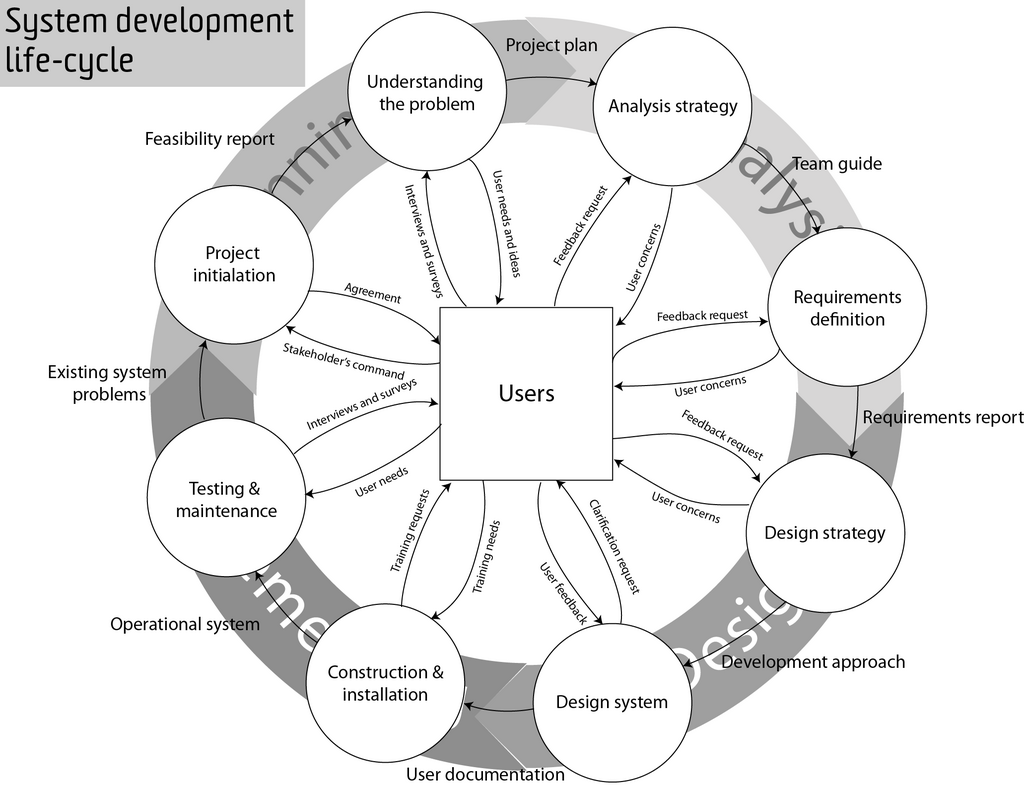
This shift was crucial. It introduced formal processes for planning, designing, testing, and maintaining software, transforming how complex systems are built and managed today.
The Engineer's Role
So what does a software engineer actually do? Their responsibilities go far beyond just writing code. They are problem-solvers who manage the entire lifecycle of a software product.
| Responsibility | Description |
|---|---|
| Requirements Analysis | Working with clients or users to understand what the software needs to do. |
| System Design | Creating the high-level blueprint for the software, including its architecture and components. |
| Development | Writing the actual code based on the design specifications. |
| Testing | Finding and fixing bugs to ensure the software works correctly and is reliable. |
| Deployment | Releasing the software to users. |
| Maintenance | Updating and improving the software over time to fix issues or add new features. |
Effective software engineers are skilled communicators and collaborators, often working in teams with designers, product managers, and other engineers to bring a project to life. They need to balance technical decisions with business needs and user expectations.
Software's Dual Purpose
Software plays a unique dual role in the modern world. It can be a product in its own right, or it can be the vehicle that delivers another product or service.
As a product, software is something you buy and use directly. Think of a video game, a word processor, or an operating system. The software itself is the item being sold.
More often, however, software acts as a vehicle. An airline doesn't sell you its booking software; it sells you a plane ticket. The software is the essential vehicle that makes the sale possible. Similarly, a ride-sharing app delivers the service of transportation, and a streaming platform delivers movies and TV shows. In these cases, the software is the engine that runs the business, connecting customers to a final product or service.
This distinction is important because it highlights the immense impact of software engineering across every industry, from entertainment and retail to healthcare and finance. Reliable, well-engineered software is the backbone of the modern economy.
Let's review the key concepts we've covered.
Now, check your understanding with a few questions.
What major issue led to the formal discipline of software engineering?
According to the text, which analogy best illustrates the difference between simple programming and software engineering?
Software engineering provides the foundation for building the complex systems we rely on every day, turning abstract ideas into tangible, working technology.