Introduction to Software Engineering
Software Engineering Overview
More Than Just Code
Think about the apps on your phone, the website you use for banking, or the system that helps air traffic controllers guide planes. They all run on software. But building these complex systems isn't just about writing code. It's about building them well, so they are reliable, efficient, and easy to maintain over time. This is the world of software engineering.
Software engineering is the systematic approach to designing, developing, testing, and maintaining software systems.
Unlike simple programming, which can be a solitary act of writing code to solve a small problem, software engineering is a team sport. It applies engineering principles to the process of creating software. The goal is to manage the immense complexity of large systems and deliver a final product that works as expected, without costly errors or failures. It's the difference between building a garden shed and constructing a skyscraper.
From Crisis to Discipline
In the early days of computing, programmers wrote code with few formal processes. This worked for small programs, but as computers became more powerful and projects more ambitious, problems started to surface. During the 1960s, this reached a breaking point known as the "software crisis."
Projects were often over budget, delivered late, and full of bugs. Some failed completely. It became clear that a more structured, disciplined approach was needed. The term "software engineering" was popularized at a 1968 NATO conference to frame the problem and rally experts to find solutions.
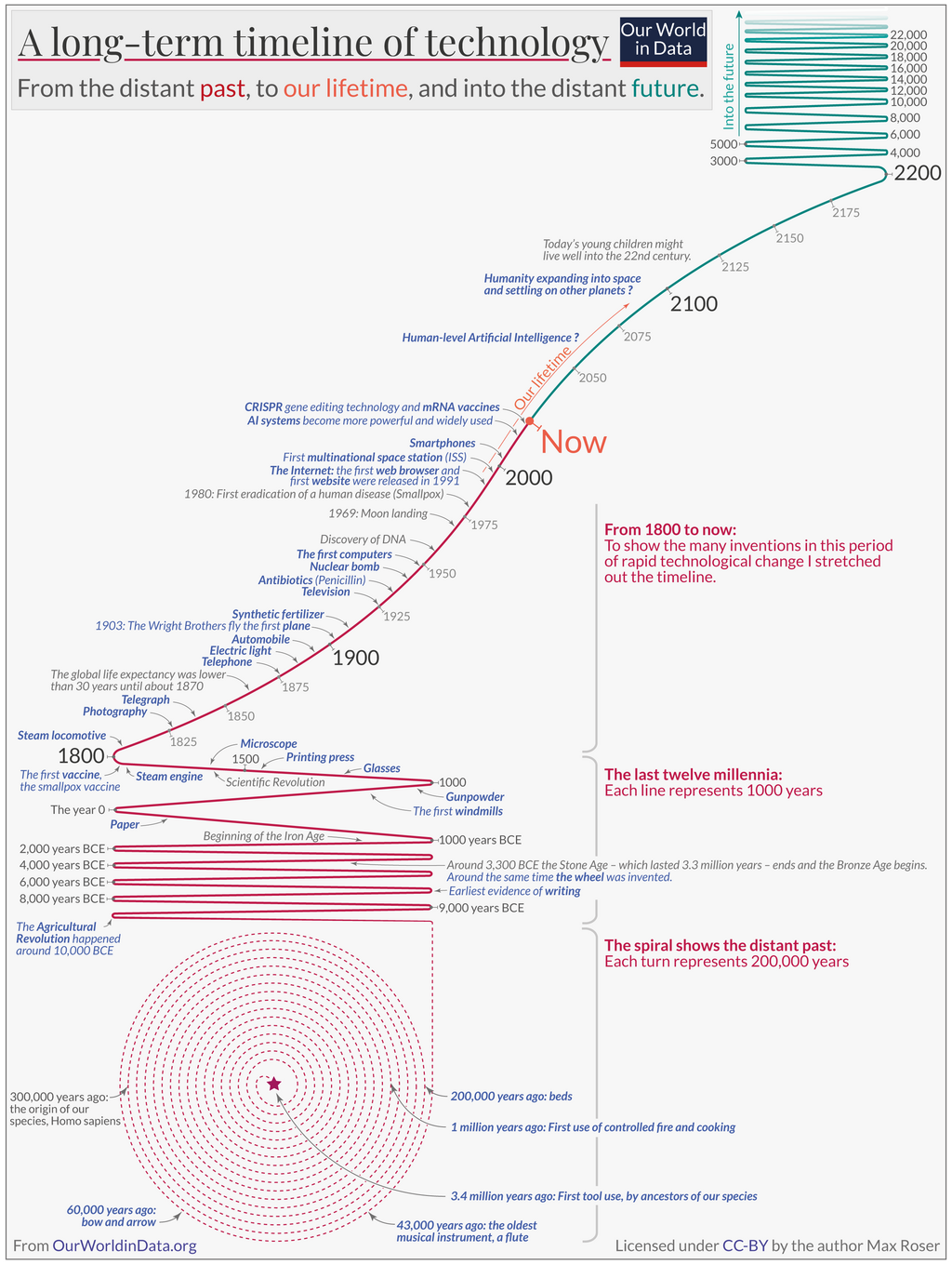
This marked a shift from viewing software development as an art to treating it as an engineering discipline. Over the following decades, formal methods, processes, and best practices were developed, turning a chaotic craft into a professional field.
Guiding Principles
Software engineering is guided by several key principles that help teams build high-quality software. These aren't rigid rules but rather foundational ideas that shape the development process.
Here's what they mean:
-
Managing Complexity: Large software systems can have millions of lines of code. A core principle is to break down the system into smaller, manageable pieces. This makes the software easier to design, build, and understand.
-
Ensuring Quality: Quality isn't just about finding bugs. It's a continuous process of verification and validation, from initial design reviews to rigorous testing, to ensure the software meets user needs and is robust.
-
Planning for Change: Software is rarely "finished." It needs to be updated, fixed, and adapted to new requirements. Good software engineering anticipates this from the start, creating designs that are flexible and easy to maintain over their entire lifecycle.
The Impact on Society
The principles of software engineering have a profound impact on our daily lives. They are the reason you can trust your bank's mobile app with your financial information, rely on navigation systems to guide you, and use complex software for everything from communication to entertainment.
Without this disciplined approach, the digital world we depend on would be far less reliable and secure. Software engineering enables the creation of large-scale systems that have transformed industries and shaped modern society, making it a cornerstone of technological progress.
What is the primary distinction between software engineering and simple programming?
The term "software engineering" was popularized in the late 1960s in response to what major issue?
Software engineering provides the structure and discipline needed to build the complex systems that power our world, moving beyond simple coding to create reliable and maintainable technology.