Introduction to Software Engineering
Introduction to Software Engineering
More Than Just Code
Ever wonder how massive applications like social media platforms or complex operating systems get built? It's not just a matter of a few people typing code randomly. It's the result of a disciplined, structured approach called software engineering.
Software Engineering
noun
The systematic application of engineering principles to the design, development, testing, and maintenance of software.
Software engineering is what separates building a simple tool for yourself from constructing a robust system for thousands or even millions of users. Think of it like this: anyone can nail a few boards together to make a doghouse. That's like simple programming. But to build a skyscraper that can withstand earthquakes and house thousands of people, you need architecture, blueprints, project management, and rigorous safety checks. That's software engineering.
The Engineer's Role
A programmer writes code. A software engineer does that and much more. They are problem solvers who architect the entire system. Their job is to understand what the user needs, design a solution, collaborate with a team, write clean and efficient code, test it thoroughly, and maintain it long after it's released.
Software engineering is far more than writing code—it's a disciplined approach to designing, developing, testing, and maintaining software systems.
Engineers think about the big picture. How will this piece of code interact with others? Is this design scalable if our user base doubles? Is the software secure from potential threats? They are the architects, builders, and quality inspectors all rolled into one.
| Aspect | Programming | Software Engineering |
|---|---|---|
| Primary Focus | Writing code to perform a specific task | The entire process of building and maintaining a system |
| Scope | Often an individual component or feature | The overall architecture and project lifecycle |
| Teamwork | Can be a solo activity | Inherently collaborative |
| Outcome | A working piece of code | A reliable, efficient, and maintainable software product |
Why It Matters
As software becomes more integrated into our lives, its complexity skyrockets. Managing this complexity is the core challenge that software engineering solves. Without a structured approach, projects would quickly become chaotic, run over budget, and result in unreliable, bug-ridden products.
Software engineering provides a framework for teams to work together effectively. By setting clear goals, defining processes, and establishing quality standards, it ensures everyone is pulling in the same direction. This collaboration is key to building sophisticated applications that no single person could create alone.
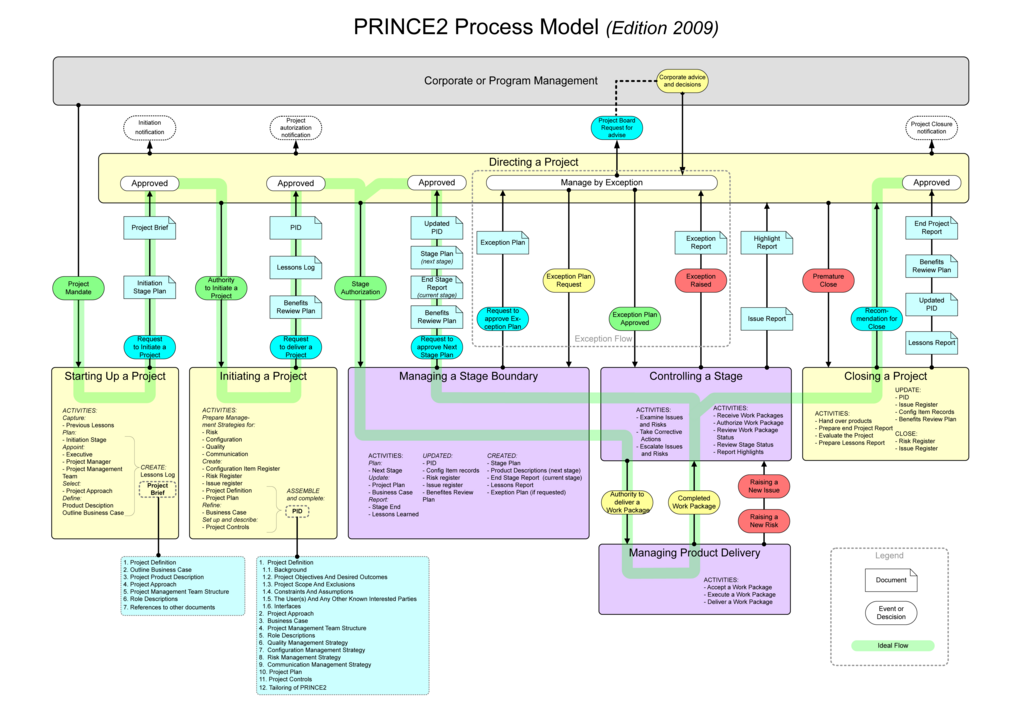
To bring order to this complexity, software projects often follow a roadmap.
A Roadmap for Building
The Software Development Lifecycle (SDLC) is a conceptual framework that outlines the stages involved in a software project. Think of it as a high-level plan that guides a project from an initial idea to a fully functioning product and its eventual retirement.
It provides a structured flow for the development process, ensuring that key activities like planning, designing, building, testing, and deploying happen in a logical and organized way. While there are many different models for the SDLC, they all share the goal of making the development process more predictable and successful.
Now that you understand the fundamentals of software engineering, let's test your knowledge.
What is the primary role of the Software Development Lifecycle (SDLC)?
According to the analogy provided, building a doghouse is like simple programming, while building a skyscraper is like software engineering.
This structured approach is what allows teams to build the complex, reliable software we depend on every day.