Introduction to Software
Introduction to Software
The Ghost in the Machine
A computer's physical components—the screen, keyboard, and chips inside—are called hardware. But hardware on its own is just a collection of plastic and metal. To do anything useful, it needs instructions. That's where software comes in.
Software is the set of instructions that tells the hardware what to do. Think of your computer as a kitchen. The oven, mixing bowls, and utensils are the hardware. The recipes you follow are the software. Without the recipes, the kitchen is just a room full of equipment. Without software, a computer is just a box.
Software can be broken down into three main categories: system software, application software, and middleware.
Software
noun
A collection of instructions, data, or programs used to operate computers and execute specific tasks.
System Software: The Conductor
System software works in the background, managing the computer's core functions. You don't usually interact with it directly, but it's always running, making sure everything works together smoothly. It’s like the conductor of an orchestra, coordinating all the different instruments (the hardware) to create a harmony.
The most important type of system software is the operating system (OS). It's the first program that loads when you turn on your device. The OS manages everything from your computer's memory to the files you save. It creates the environment for all other software to run.
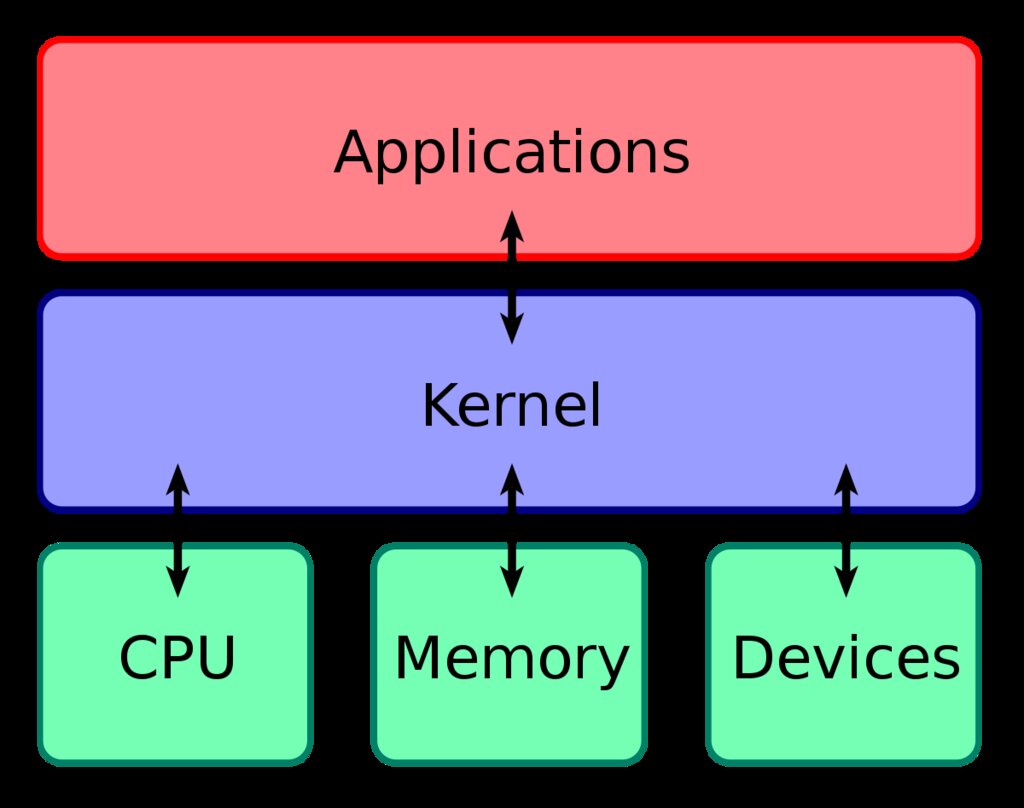
Common examples of operating systems include:
- Microsoft Windows on many PCs
- macOS on Apple computers
- Android and iOS on mobile devices
Other types of system software include device drivers, which allow your computer to communicate with hardware like printers and webcams, and utility programs that help maintain and optimize your computer's performance.
Application Software: Getting Things Done
If system software is the conductor, application software is the sheet music for a specific song. These are the programs you use to accomplish tasks. Commonly known as "apps," they are designed for the end-user.
Application software runs on top of the operating system. You use it to write an email, browse the internet, play a game, or edit a photo. Each app is designed for a particular purpose.
System software runs the computer. Application software runs for the user.
Examples are everywhere in your daily life:
- Web browsers: Google Chrome, Safari, Mozilla Firefox
- Productivity suites: Microsoft Office (Word, Excel), Google Docs
- Creative tools: Adobe Photoshop, Spotify, video games
Middleware: The Translator
Sometimes, different pieces of software need to talk to each other, but they don't speak the same language. Middleware acts as a translator, connecting separate software components or applications so they can exchange data.
Imagine a mobile banking app. The app on your phone (application software) needs to securely get your account information from the bank's central computer (another application). Middleware handles this complex communication, managing the requests and ensuring data is passed back and forth correctly and securely. It creates a communication pipeline between different systems that weren't necessarily designed to work together.
You rarely see middleware, but it's the invisible glue holding many modern applications together, especially in complex environments like corporate networks and the internet.
Ready to check your understanding? Let's see what you've learned.
What is the fundamental difference between computer hardware and software?
Using the analogy of a kitchen, if the oven and mixing bowls are the hardware, what represents the software?
Understanding these categories is the first step to seeing how the digital world is built. From the operating system that boots your phone to the app you use to chat with friends, software is what brings technology to life.