Introduction to Social Analysis
Introduction to Social Analysis
What Is Social Analysis?
At its core, social analysis is the practice of understanding human behavior in groups. It’s about looking at the world around us—our communities, workplaces, and online spaces—and asking questions. Why do certain ideas catch on? How do groups make decisions? What unspoken rules guide our interactions?
Think of it as looking at a complex machine. You can see all the individual parts, but social analysis helps you understand how they work together. It's not about judging people's choices, but about systematically examining the patterns and forces that shape them. This process involves gathering information about social trends and relationships and then interpreting that information to see the bigger picture.
Social analysis is the lens we use to see the patterns in how we live, work, and connect with each other.
Why It Matters for Organizations
For any organization, from a startup to a government agency, understanding the social landscape isn't just a nice-to-have. It's essential for survival and growth. Without a grasp of societal trends, an organization is flying blind. They might launch products nobody wants, create policies that don't work, or completely miss major shifts in public opinion.
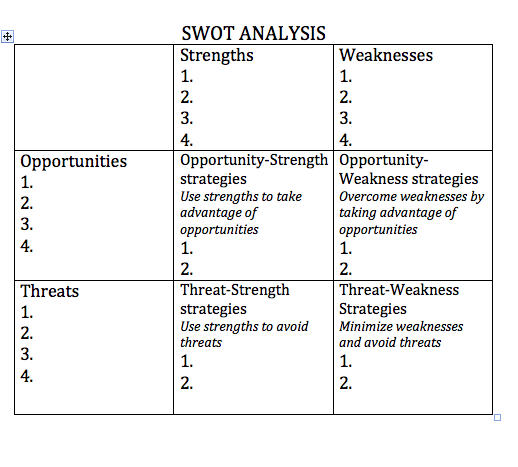
Social analysis provides the insights needed for strategic thinking. It helps leaders identify potential opportunities, like a growing interest in sustainable products, and spot threats, such as declining trust in a particular industry. By understanding the social context, organizations can make smarter decisions, connect more authentically with their audience, and adapt to a constantly changing world.
Where Social Analysis Happens
Social analysis isn't confined to academic research. It's a practical tool used across many different fields to solve real-world problems. The applications are broad, but they often fall into a few key domains.
Social Media Companies constantly monitor online conversations to gauge brand perception, track marketing campaigns, and spot emerging trends. What are people saying about their new product? Is there a viral meme that could inform their next ad? This is social analysis in action, turning the noise of the internet into actionable insights.
Public Policy Governments use social analysis to design and evaluate policies. Before building a new public park, a city might analyze data on how different neighborhoods use existing green spaces. After implementing a new recycling program, they would analyze its adoption rate and impact. This helps ensure that public resources are used effectively and that policies truly serve the community's needs.
Community Engagement Non-profits and local organizations rely on social analysis to understand the communities they serve. They might analyze demographic data, conduct surveys, and hold focus groups to identify a community's core challenges and strengths. This groundwork is crucial for developing programs that make a real difference, whether it's an after-school tutoring service or a local health initiative.
Let's check your understanding of these core concepts.
What is the primary goal of social analysis?
According to the text, why is social analysis vital for an organization?
In each of these areas, the goal is the same: to move beyond assumptions and use a structured approach to understand the social world. By doing so, organizations can operate more effectively and build better relationships with the people they serve.