Introduction to Snowboarding
Introduction to Snowboarding
From Backyard Toy to Olympic Sport
Snowboarding feels modern, but its roots go back to the 1960s. It started with an engineer named Sherman Poppen, who bolted two skis together for his daughters to play with on a snowy hill. He called his invention the "Snurfer" — a mix of "snow" and "surfer." It was a simple plank with a rope tied to the nose for steering.
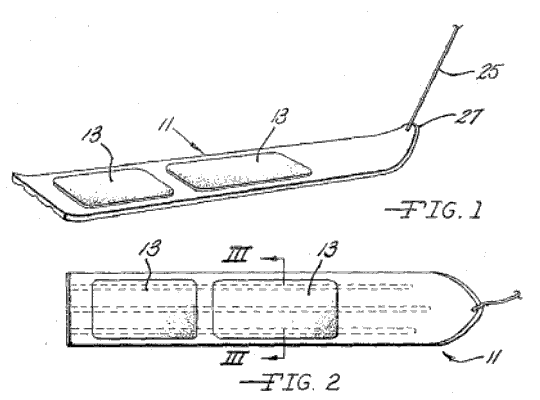
The Snurfer was a hit, but it was more of a toy. Innovators like Jake Burton Carpenter, Tom Sims, and Mike Olson saw its potential. They began experimenting in their workshops, adding foot bindings for more control and refining board shapes. By the 1980s, snowboarding was gaining traction, evolving from a backyard hobby into a legitimate sport with its own culture. It made its official Olympic debut in 1998 in Nagano, Japan.
Your First Setup
Getting started in snowboarding requires three key pieces of equipment: the board, the bindings, and the boots. These three components work together as a system to connect you to the snow.
Think of it like this: your boots go into the bindings, which are mounted to the board. Your movements transfer from your body, through the boots and bindings, and into the board, allowing you to turn and control your speed.
The board is what glides over the snow. Bindings are the straps and plates that hold your boots securely to the board. Boots provide support for your ankles and feet, and they're what you'll use to apply pressure to the board's edges.
Choosing the Right Board
Not all snowboards are created equal. They're designed for different styles of riding and different types of terrain. Understanding the main categories will help you find the right board for the kind of experience you want to have on the mountain.
When learning how to choose snowboards, the best approach is to match the board type to your riding style, skill level, and preferred terrain.
Most beginner boards are designed to be forgiving and easy to turn. They often fall into the "All-Mountain" category, which is a great place to start. Here's a quick look at the most common types:
| Board Type | Best For | Key Features |
|---|---|---|
| All-Mountain | Riding the entire resort | Versatile shape, good for groomed runs, powder, and some park riding. |
| Freestyle | Terrain parks and tricks | Symmetrical shape (twin-tip), flexible, good for riding switch (non-dominant foot forward). |
| Freeride | Powder and ungroomed terrain | Directional shape, often stiffer, set-back stance for better float in deep snow. |
| Powder | Deep, fresh snow | Wide nose and tapered tail, designed specifically to float on top of powder. |
For boots and bindings, the most important factor is fit. Your boots should be snug but not painful, with your toes just brushing the end. Your heels shouldn't lift up when you lean forward. Bindings need to be compatible with your boots and board, and they should hold your boots firmly without creating pressure points.
Dressing for the Slopes
Staying warm and dry is crucial for a good day on the mountain. The key is layering. Start with a moisture-wicking base layer (like synthetic fabrics or merino wool) to pull sweat away from your skin. Add a fleece or insulated jacket as a mid-layer for warmth. Your outer layer should be a waterproof and windproof jacket and pants.
Don't forget the accessories: warm, waterproof gloves or mittens are a must. A good pair of goggles will protect your eyes from sun and wind, improving your visibility. And wear socks made for skiing or snowboarding; they're designed to keep your feet warm without bunching up in your boots.
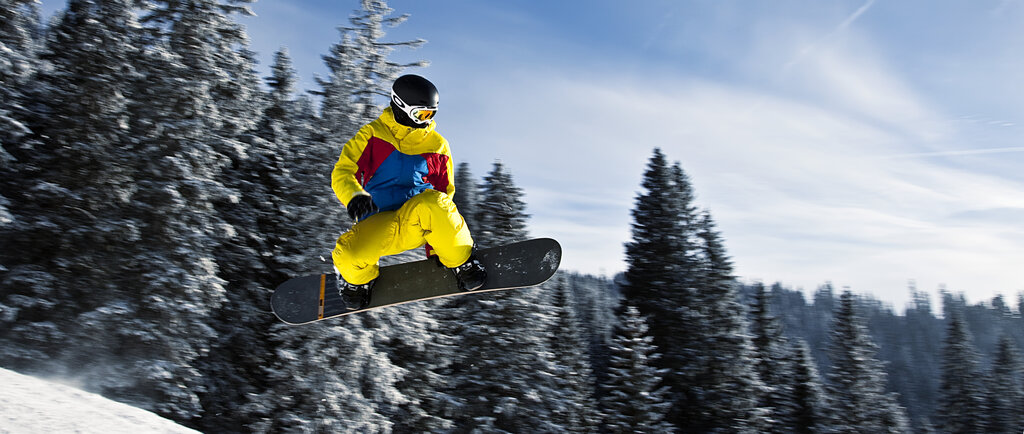
Finally, let's talk about safety. A helmet is the most important piece of protective gear you can wear. It can significantly reduce the risk of head injury. Many snowboarders, especially beginners, also choose to wear wrist guards, as wrist injuries are common when learning to balance. Padded shorts can also make the inevitable falls a bit more comfortable.
Consider signing up for lessons if you’re new to snowboarding.
Now, let's check what you've learned.
Who is credited with inventing the "Snurfer," the precursor to the modern snowboard?
What are the three core components that work together as a system to connect a rider to their snowboard?
Getting the right gear and dressing properly sets you up for success. It ensures you stay comfortable, safe, and ready to focus on learning.