Introduction to Skiing
Introduction to Skiing
From Survival to Sport
Long before skiing was a recreational activity, it was a practical way to get around. For thousands of years, people in snowy, northern regions used long runners made of wood to travel, hunt, and trade across vast, snow-covered landscapes. These early skis weren't for racing down mountains; they were essential tools for winter survival, allowing people to glide over deep snow instead of sinking into it.
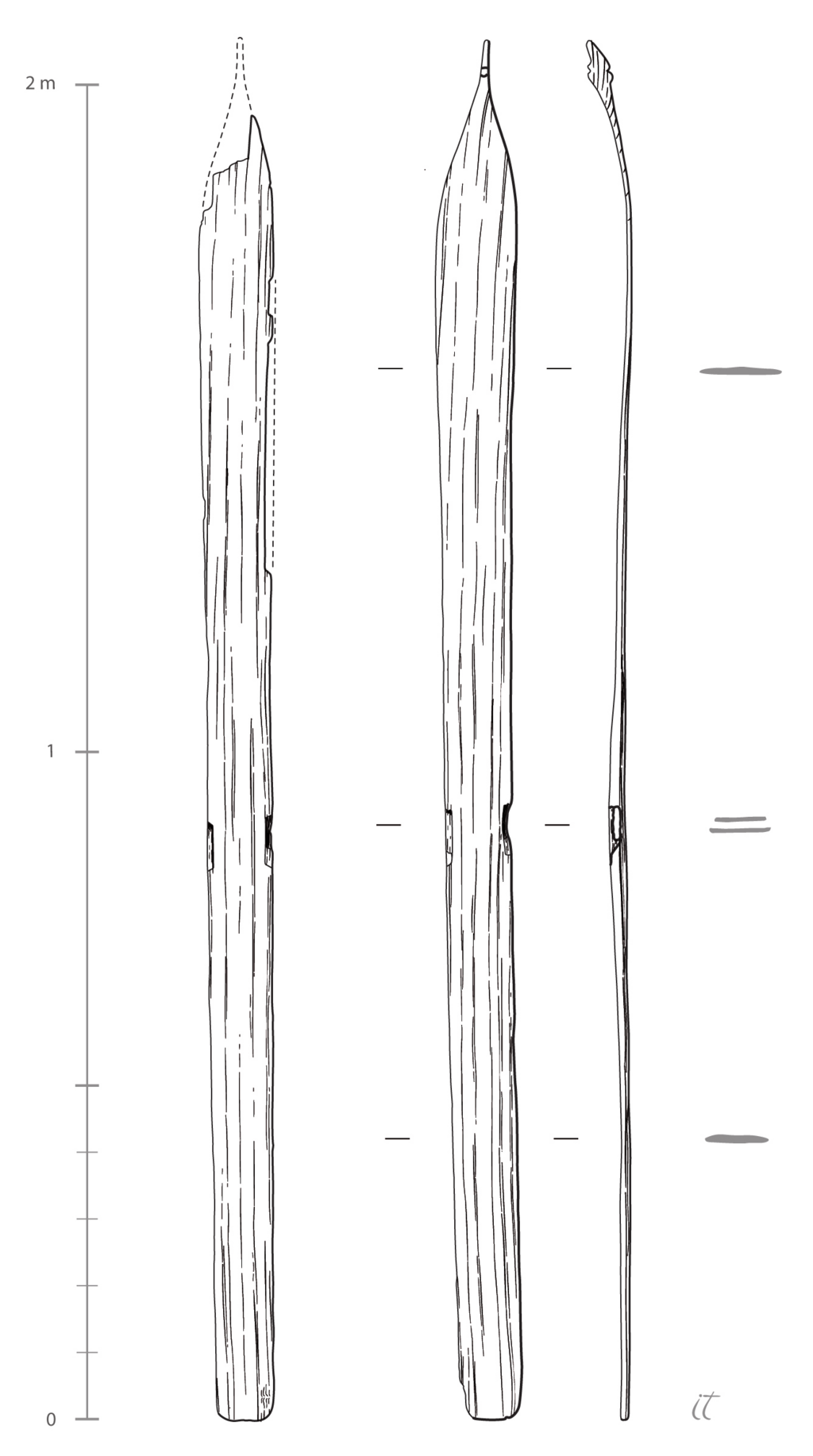
The shift from utility to sport began in the 19th century, primarily in Norway, where skiing competitions started to emerge. Modern skiing as we know it, with resorts, lifts, and groomed trails, is a much more recent development, exploding in popularity during the 20th century. What was once a necessity has evolved into a global pastime enjoyed by millions.
Finding Your Style
Skiing isn't a one-size-fits-all activity. Several disciplines have developed over the years, each with its own unique feel and set of skills. The two most common forms are Alpine and Cross-Country.
Alpine skiing, also known as downhill skiing, is what most people picture when they think of the sport. It's all about using gravity to slide down slopes at a ski resort. The goal is to control your descent, whether you're making graceful turns on a gentle run or carving aggressively down a steep one.
Cross-country skiing, or Nordic skiing, is a different beast entirely. It's typically done on flatter or rolling terrain, and you propel yourself forward using your own power. It's an incredible workout and a great way to explore quiet, snowy forests away from the bustle of a ski resort.
Beyond these two, there are other exciting styles. Freestyle skiing involves performing tricks, flips, and spins on jumps and other features in a terrain park. Backcountry skiing takes experienced skiers off-resort and into ungroomed, natural terrain, requiring specialized safety knowledge and equipment.
| Discipline | Terrain | Primary Goal |
|---|---|---|
| Alpine (Downhill) | Groomed mountain slopes | Control descent using gravity |
| Cross-Country (Nordic) | Flatter or rolling trails | Self-propelled travel and endurance |
| Freestyle | Terrain parks, halfpipes | Performing aerials and tricks |
Gearing Up
Regardless of the style you choose, you'll need the right equipment. The four core components of any ski setup are skis, boots, bindings, and poles.
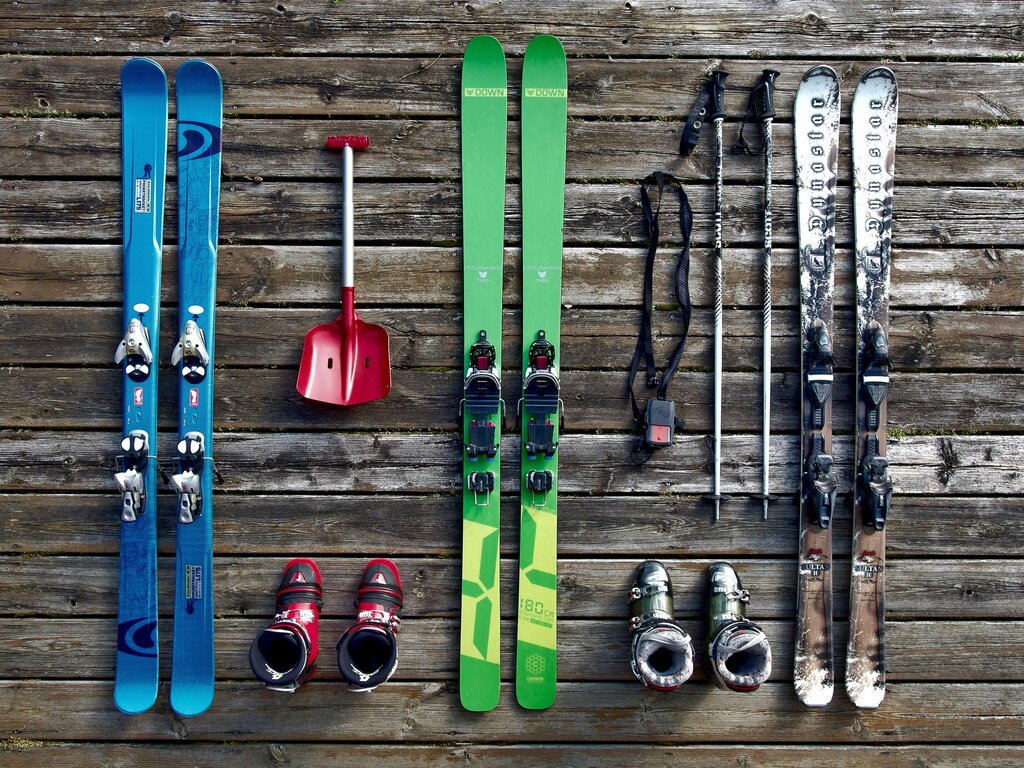
Let's break them down:
- Skis: These are the long runners that allow you to glide over the snow. Their shape, length, and stiffness vary dramatically depending on the type of skiing and your ability level.
- Boots: A good pair of boots is arguably the most important piece of gear. They connect you to your skis and are your primary tool for steering and control. Alpine boots are rigid plastic shells, while cross-country boots are much softer and more flexible.
- Bindings: These are the mechanisms that connect your boots to your skis. Their most crucial job is to release your boot from the ski during a fall to help prevent injury.
- Poles: Skiers use poles for balance, timing, and, in some cases, propulsion, especially in cross-country skiing or on flat sections of a downhill run.
Choosing the right equipment is critical. Gear designed for a beginner is more forgiving and easier to control, while advanced equipment is built for higher speeds and more aggressive performance. The equipment for alpine and cross-country skiing is completely different and not interchangeable. Always choose gear that matches your skill level and the type of skiing you plan to do.
Your boots are your steering wheel. A proper fit is non-negotiable for both comfort and control. It's always best to get fitted by a professional at a ski shop.
Ready to test your knowledge? Let's see what you've learned about the fundamentals of skiing.
For most of its history, what was the primary purpose of skiing?
If your main goal is to explore quiet, snowy forests on relatively flat terrain using your own power, which style of skiing would you choose?
Understanding the history, disciplines, and gear is the first step onto the snow. Now you have a solid foundation for what this incredible sport is all about.