Introduction to Skiing
Introduction to Skiing Equipment
Gearing Up for the Mountain
Having the right equipment is the first step to a great day of skiing. Good gear not only keeps you safe and comfortable but also makes learning easier and more fun. Let's break down the essential items you'll need before you hit the snow.
Skis, Boots, and Poles
This trio forms the core of your skiing setup. Your skis are your connection to the snow, your boots are your connection to the skis, and your poles help with balance and rhythm.
Skis: There are many types of skis, but for beginners, the best choice is a pair of all-mountain skis. These are versatile and designed to perform well in a variety of snow conditions, from groomed runs to a little bit of powder. They provide a stable and forgiving platform for learning. As you get more advanced, you might explore specialized skis for powder, racing, or terrain parks, but all-mountain skis are the perfect starting point.
Boots: Arguably the most important piece of equipment you'll own. Ski boots transfer the movements from your body to your skis. If they don't fit properly, you'll lack control and your feet will be miserable. A ski boot should feel snug all around your foot, like a firm handshake, but not painfully tight. Your toes should have just enough room to wiggle, but your heel should stay locked in place when you lean forward. It's highly recommended to get your boots fitted by a professional at a ski shop.
Poles: Ski poles help with timing, balance, and pushing yourself along on flat sections. To find the right size, flip a pole upside down and grab it just under the basket. If your arm forms a 90-degree angle, it's the right length.
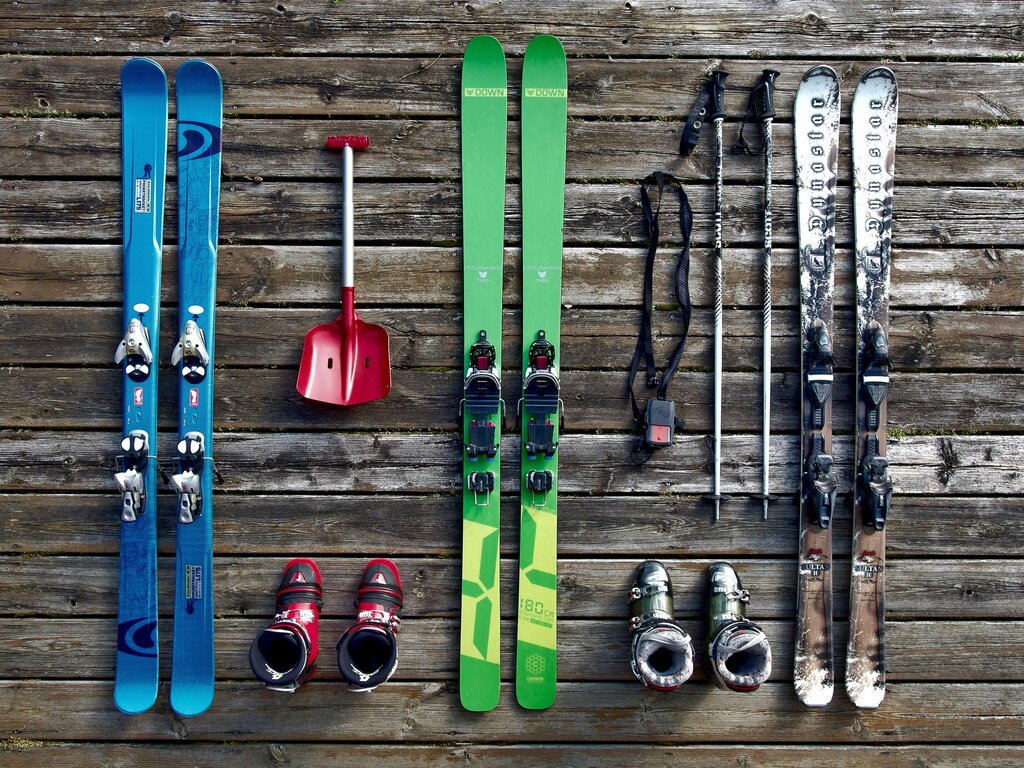
Think of it this way: you ski with your boots, not your skis. A perfect fit is essential for control and comfort.
Dressing for the Slopes
Staying warm and dry is crucial. The key is to dress in layers, which allows you to adjust to changing weather conditions and your own body temperature. The three-layer system is a great guideline.
-
Base Layer: This is the layer directly against your skin. Its job is to wick sweat away to keep you dry. Look for materials like merino wool or synthetic fabrics (polyester, polypropylene). Avoid cotton, as it holds moisture and will make you cold.
-
Mid Layer: This is your insulation layer. It traps body heat to keep you warm. Common mid layers include fleece jackets, puffy vests, or light insulated jackets. You can add or remove this layer depending on how cold it is.
-
Outer Layer (Shell): This is your protection from the elements. A good ski jacket and pants should be both waterproof and breathable. Waterproofing keeps snow and rain out, while breathability lets that moisture from your base layer escape.
Beyond the three main layers, don't forget warm ski socks (one pair is enough), waterproof gloves or mittens, and a neck gaiter or balaclava for extra warmth on your face.
Protect Your Head and Eyes
Two non-negotiable pieces of safety gear are a helmet and goggles.
A helmet protects your head from impacts in a fall. Modern ski helmets are lightweight, comfortable, and warm, so there’s no reason not to wear one. Make sure it fits snugly and doesn't wobble around on your head.
Goggles are just as important. They protect your eyes from wind, snow, and harmful UV rays, which are stronger at high altitudes and reflect off the snow. They also improve your visibility, helping you see the bumps and contours of the slope. Different lens colors are suited for different light conditions—darker lenses for sunny days and lighter (like yellow or orange) lenses for overcast days.
Now that you know the basics of ski equipment, let's check your understanding.
For a beginner skier, what type of ski is generally recommended for its versatility and forgiving nature?
Which piece of equipment is considered the most crucial for both control and comfort, directly linking your body's movements to the skis?
With the right gear, you're set up for success. You'll be safer, more comfortable, and better able to focus on the fun of sliding on snow.