Introduction to Sign Language
Introduction to Sign Language
More Than Hand Gestures
When you think of language, you probably think of spoken words. But language can also be visual. Sign languages are complete, natural languages that use handshapes, facial expressions, and body movements to communicate.
They aren't just a collection of gestures or a form of pantomime. Each sign language has its own complex grammar and a rich vocabulary, just like English, Spanish, or Japanese. They have rules for how sentences are structured and can express any idea, from simple thoughts to complex philosophical concepts.
Sign languages are not simply signed versions of spoken languages. They are independent linguistic systems developed naturally over time within Deaf communities.
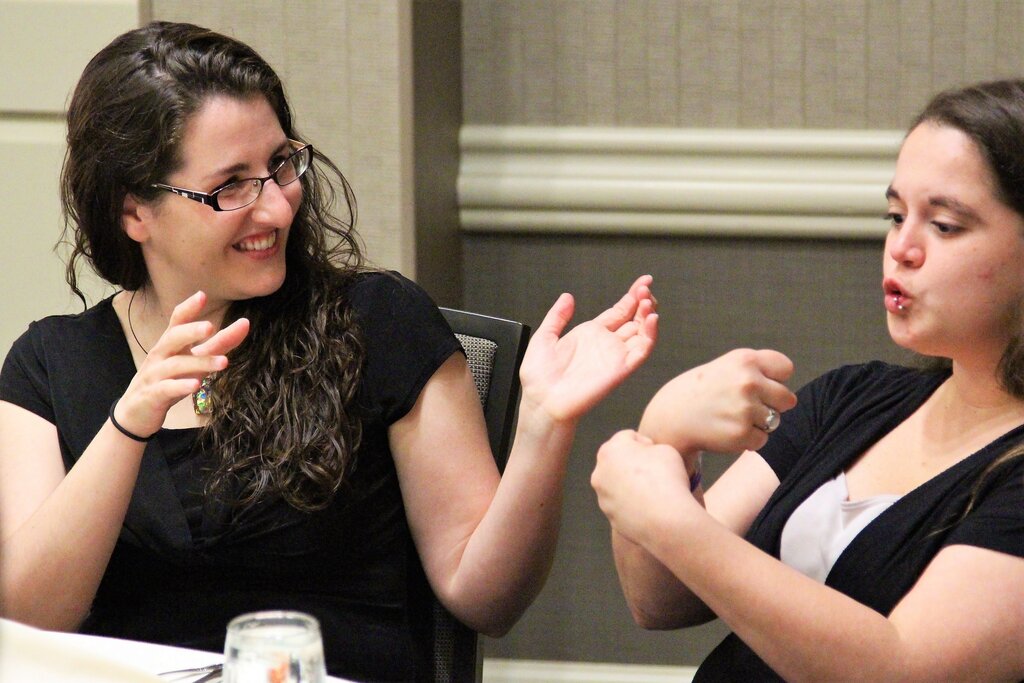
The main difference is the channel of communication. Spoken languages rely on the auditory-vocal channel—you speak with your mouth and listen with your ears. Sign languages use a visual-gestural channel. Communication is produced with the hands, face, and body, and received through the eyes.
Busting Common Myths
One of the biggest misconceptions is that sign language is universal. It’s not. Just as there are many different spoken languages around the world, there are hundreds of different sign languages.
American Sign Language (ASL) is used primarily in the United States and parts of Canada. British Sign Language (BSL) is used in the United Kingdom, and it's completely different from ASL. In fact, a user of ASL and a user of BSL would not be able to understand each other without an interpreter.
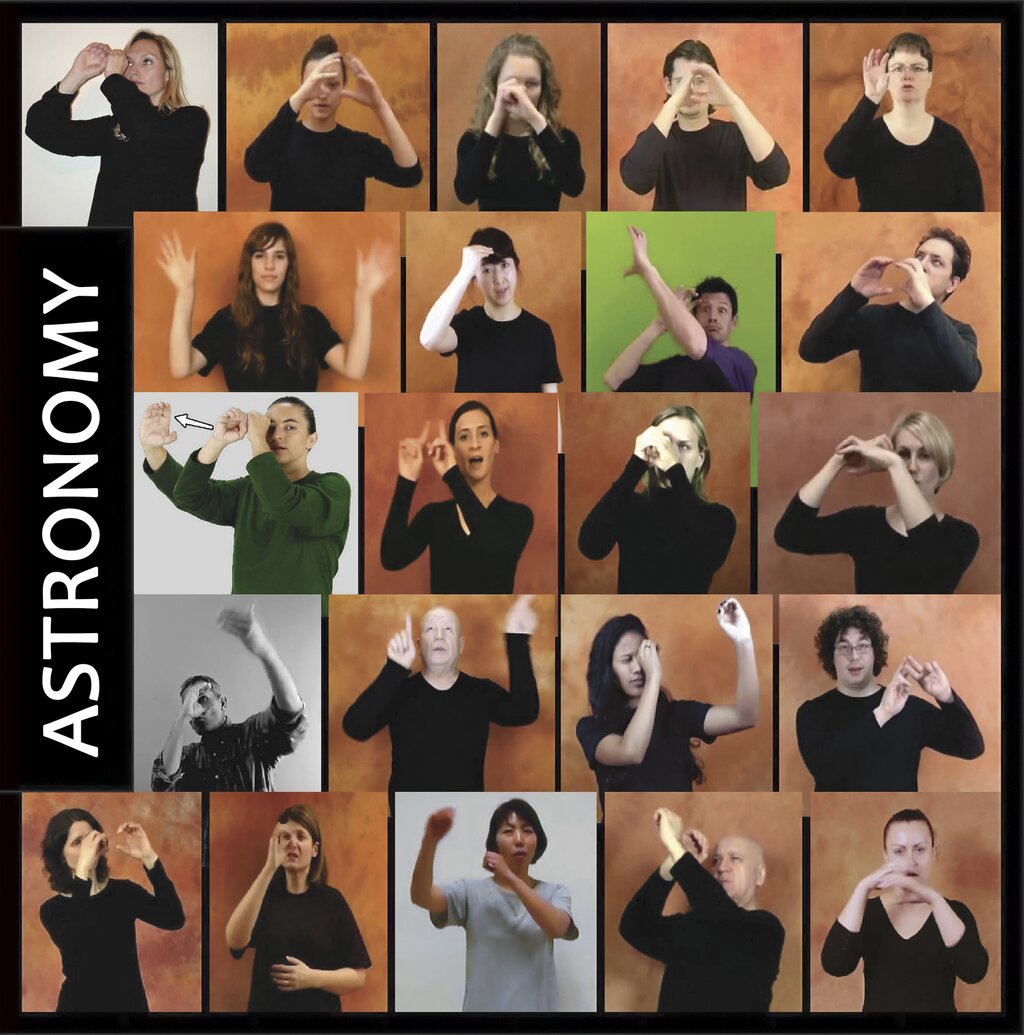
Another common myth is that sign languages are based on spoken languages. For example, some people think ASL is just a signed representation of English words. This isn't true. The grammar of ASL is very different from English. It has its own rules for word order and verb conjugation that are designed for visual, not auditory, processing.
While some systems, known as manually coded languages, do attempt to represent spoken languages with signs, they are not the same as the natural sign languages used by Deaf communities.
A World of Languages
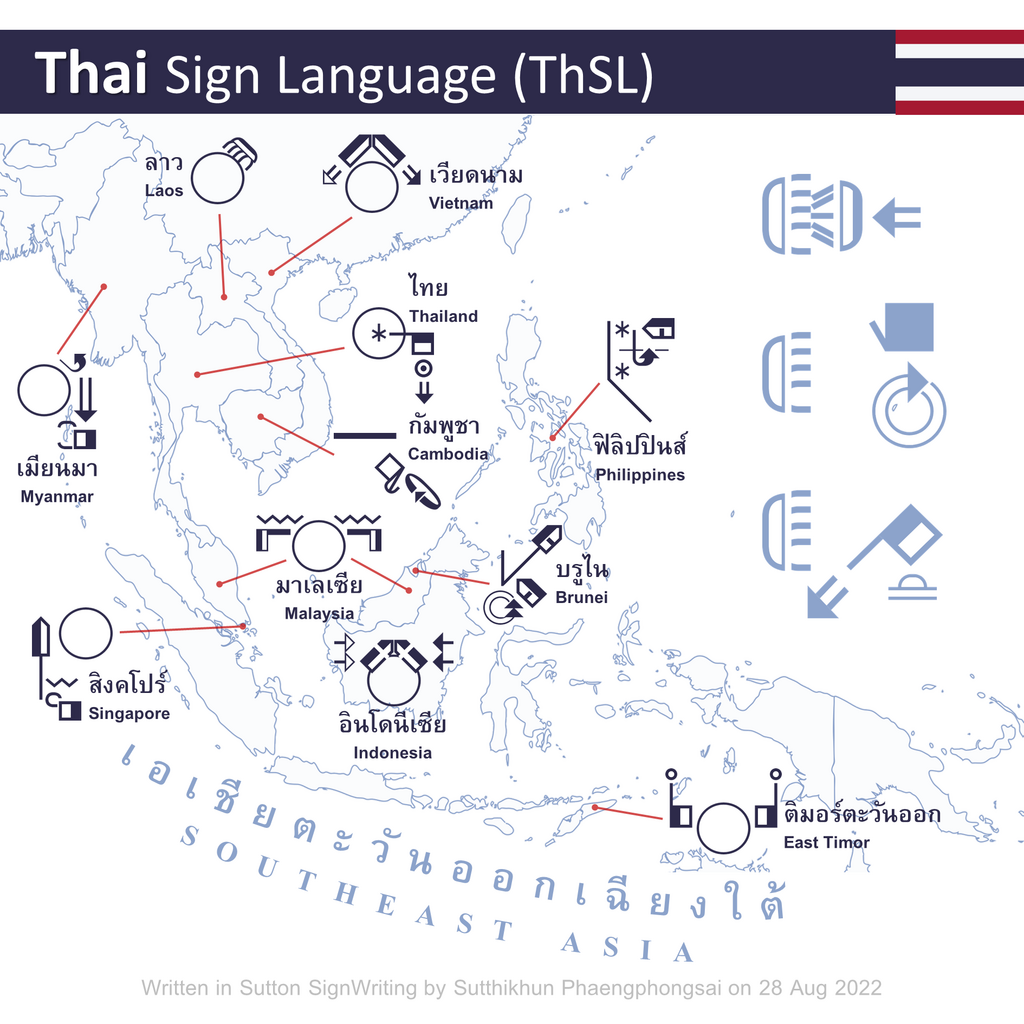
The diversity of sign languages is incredible. From Japanese Sign Language (JSL) to Auslan (Australian Sign Language), each one has its own unique history and structure. These languages evolved organically wherever Deaf people formed communities.
Like spoken languages, sign languages can be grouped into families. For instance, French Sign Language (LSF) is the historical root for many others, including ASL. They change and grow over time, adding new vocabulary and adapting to the needs of their users.
Understanding that sign languages are distinct, fully formed languages is the first step to appreciating the rich culture and history of Deaf communities worldwide.