Introduction to Shiatsu Massage
Introduction to Shiatsu
What is Shiatsu?
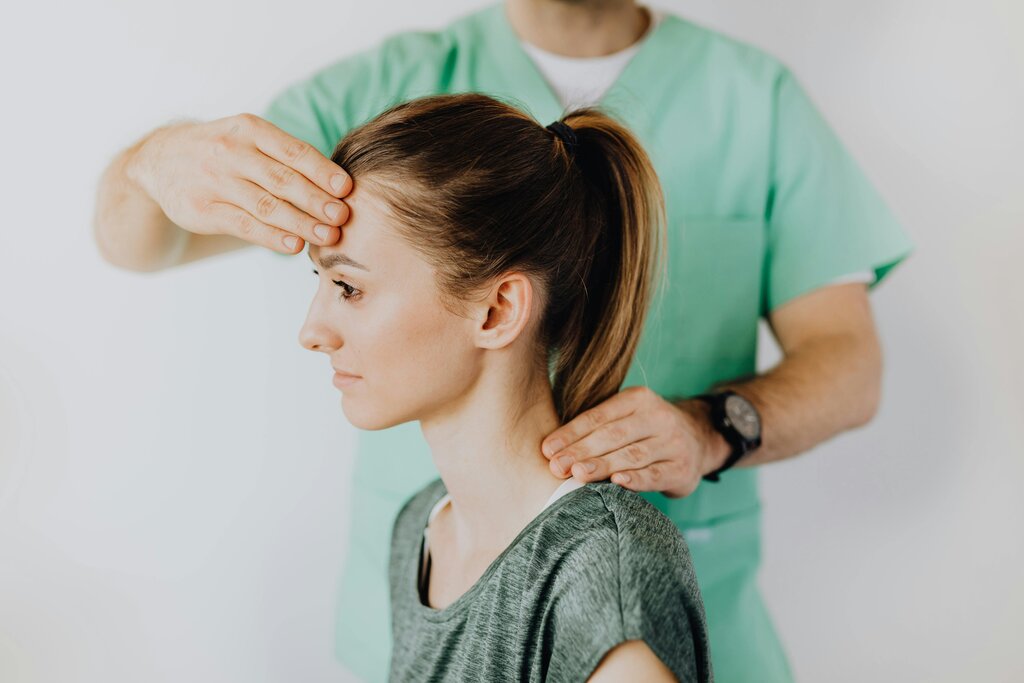
Shiatsu is a form of Japanese bodywork. Unlike many Western massage techniques that focus on kneading muscles, Shiatsu uses finger and palm pressure, stretches, and other massage techniques to adjust the body's physical structure and balance its energy flow. It's deeply relaxing and aims to promote overall well-being.
Finger pressure
The name itself tells you a lot. "Shi" means finger and "atsu" means pressure. Practitioners apply pressure to specific points and pathways on the body to relieve tension, soothe pain, and restore a sense of balance.
From Anma to Modern Shiatsu
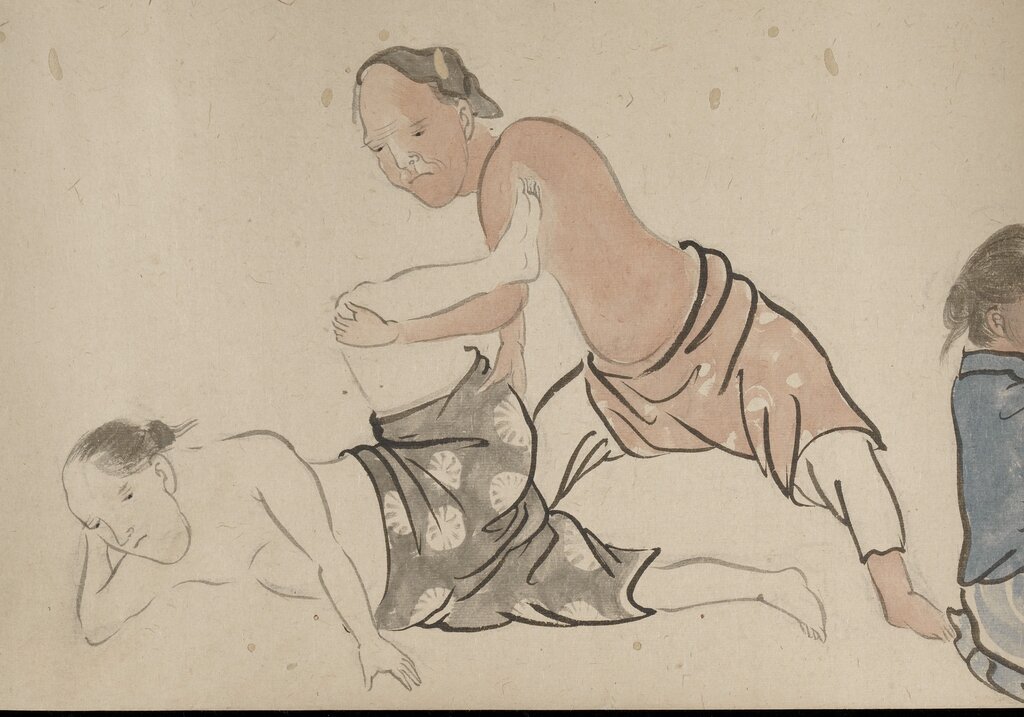
Shiatsu's roots trace back to a traditional Japanese massage called Anma, which itself was derived from ancient Chinese bodywork practices. Anma was a popular form of relaxation and treatment for centuries in Japan. But Shiatsu as we know it today was formalized in the early 20th century.
The credit for this goes to a man named Tokujiro Namikoshi. As a child, he developed a technique of pressing with his thumbs and palms to treat his mother, who suffered from rheumatoid arthritis. His focused pressure therapy dramatically eased her symptoms. This personal experience led him to study anatomy and physiology, and he eventually synthesized his own methods with Western medical knowledge to create a structured, therapeutic system. He opened his first Shiatsu college in 1940, establishing the foundation for modern Shiatsu.
Core Principles
Shiatsu is built on principles from Traditional Chinese Medicine (TCM). The most central of these is the concept of Qi (pronounced "chee").
Qi
noun
The vital life force or energy that flows through all living things.
According to TCM, Qi flows through the body along specific pathways called meridians. Think of them like rivers of energy that nourish your organs and tissues. When you're healthy, Qi flows freely and smoothly. But stress, injury, or illness can cause blockages or imbalances in this flow, leading to discomfort and health problems.
The goal of Shiatsu is to clear these blockages and encourage a smooth, balanced flow of Qi, which helps the body heal itself.
This leads to the final core principle: a holistic approach. Shiatsu doesn't just treat a symptom, like a sore back. It sees the body, mind, and spirit as interconnected. A physical ailment might have emotional or mental roots, and vice versa. By working on the whole person, Shiatsu aims to restore balance on every level.
Let's review what we've learned about the foundations of Shiatsu.
What does the word "Shiatsu" literally translate to?
Who is credited with formalizing modern Shiatsu by integrating his techniques with Western medical knowledge in the 20th century?
Understanding these basic ideas—the history, the meaning of Qi, and the meridian system—is the first step in appreciating how this powerful form of bodywork can support health and well-being.